Stories
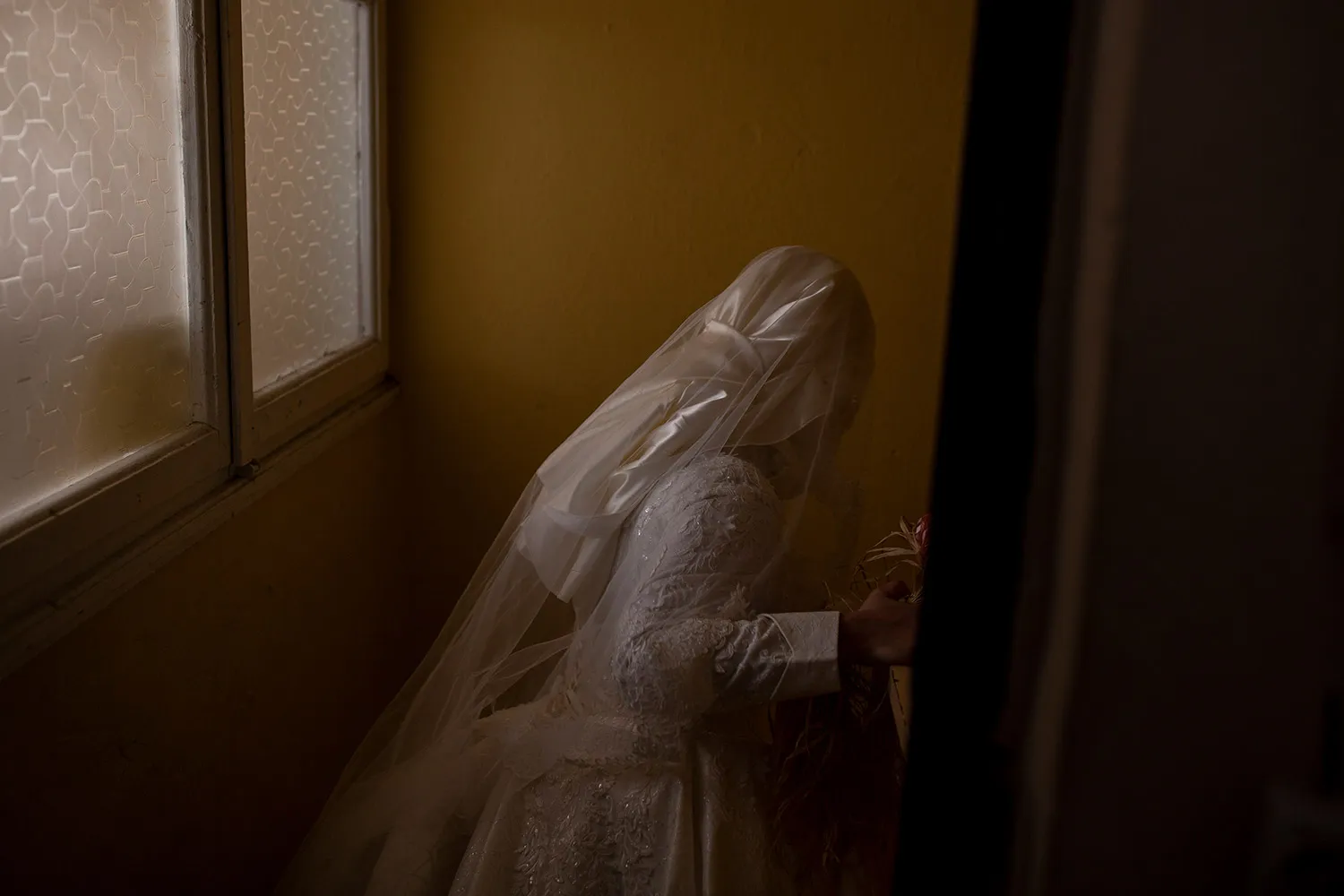
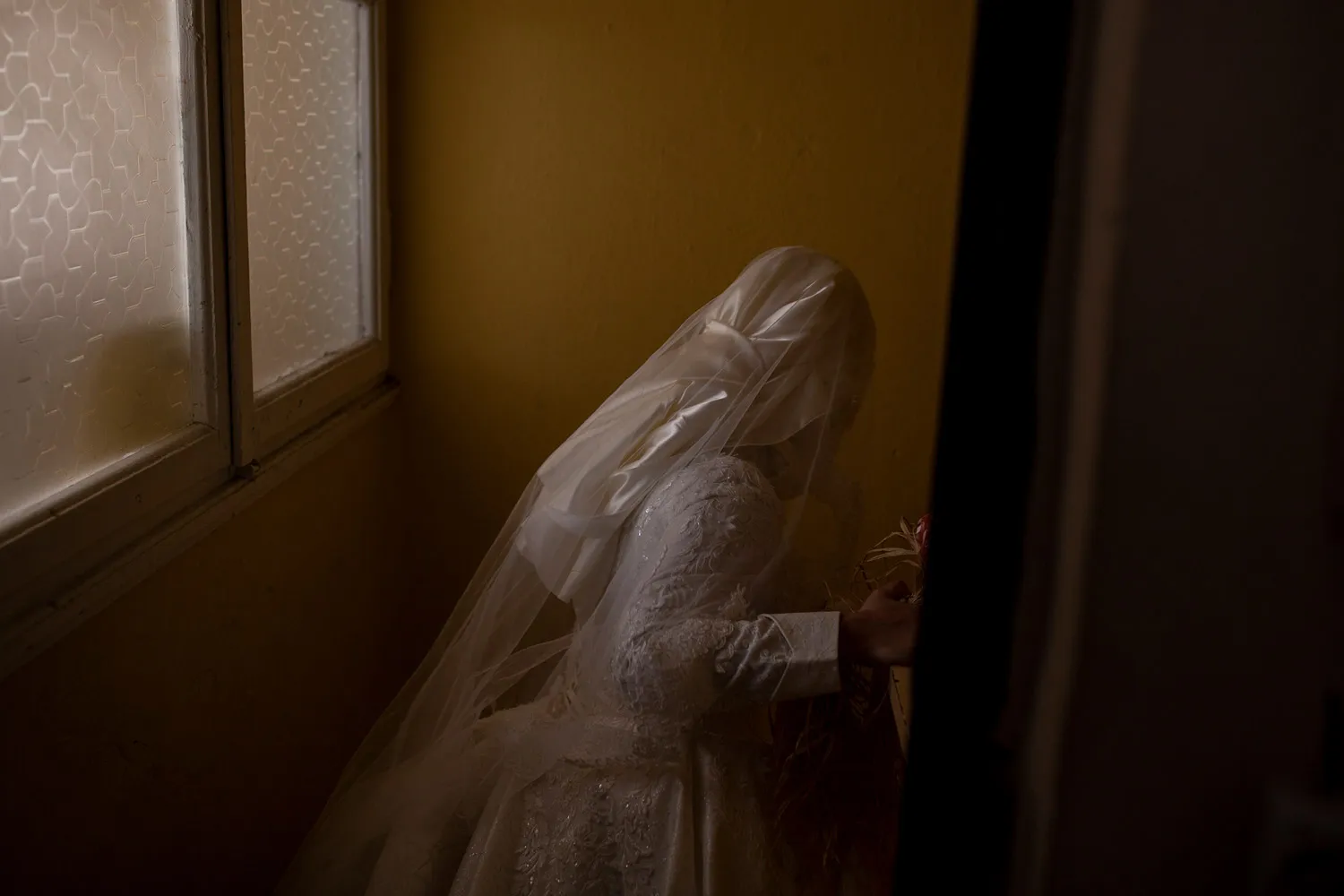
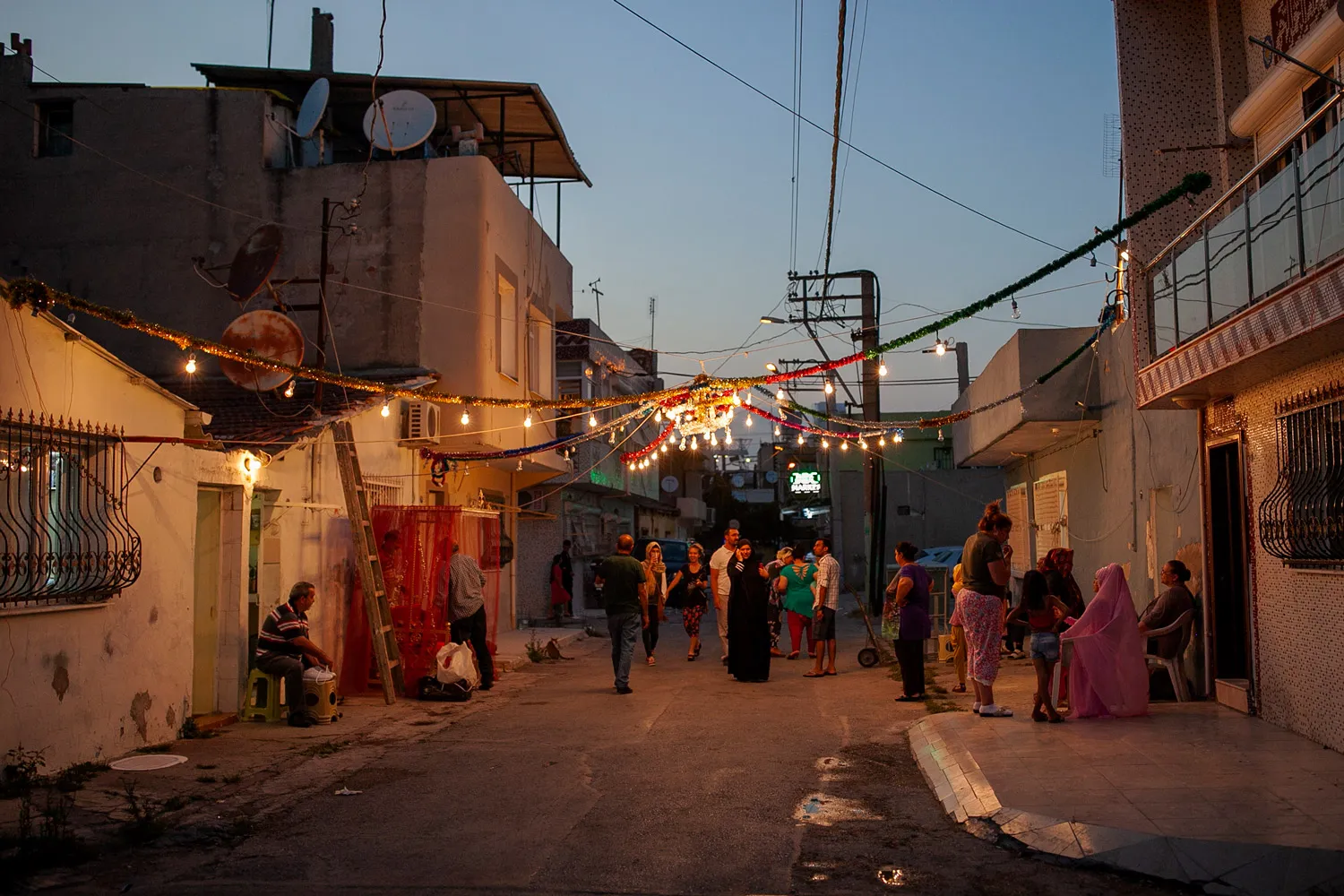
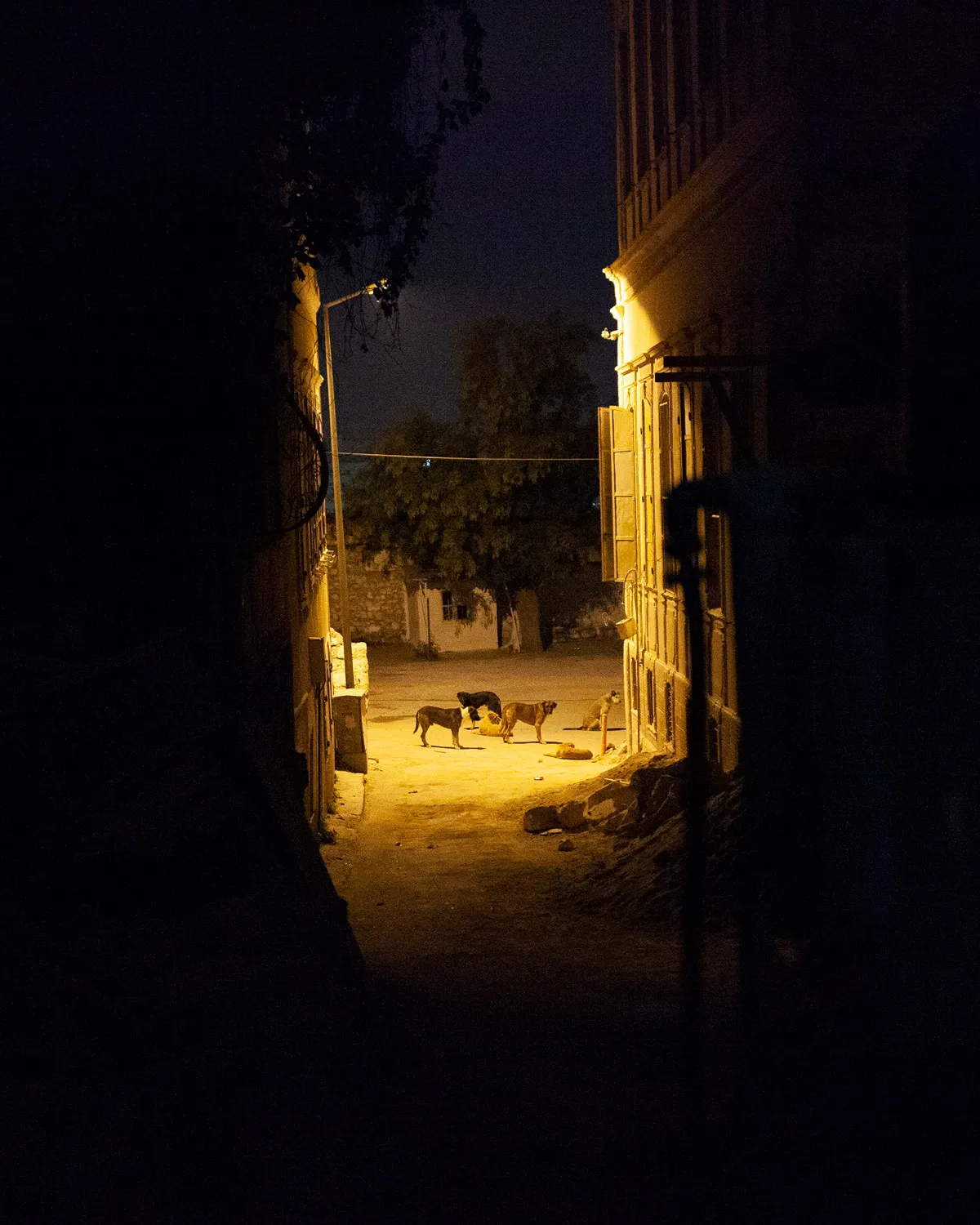
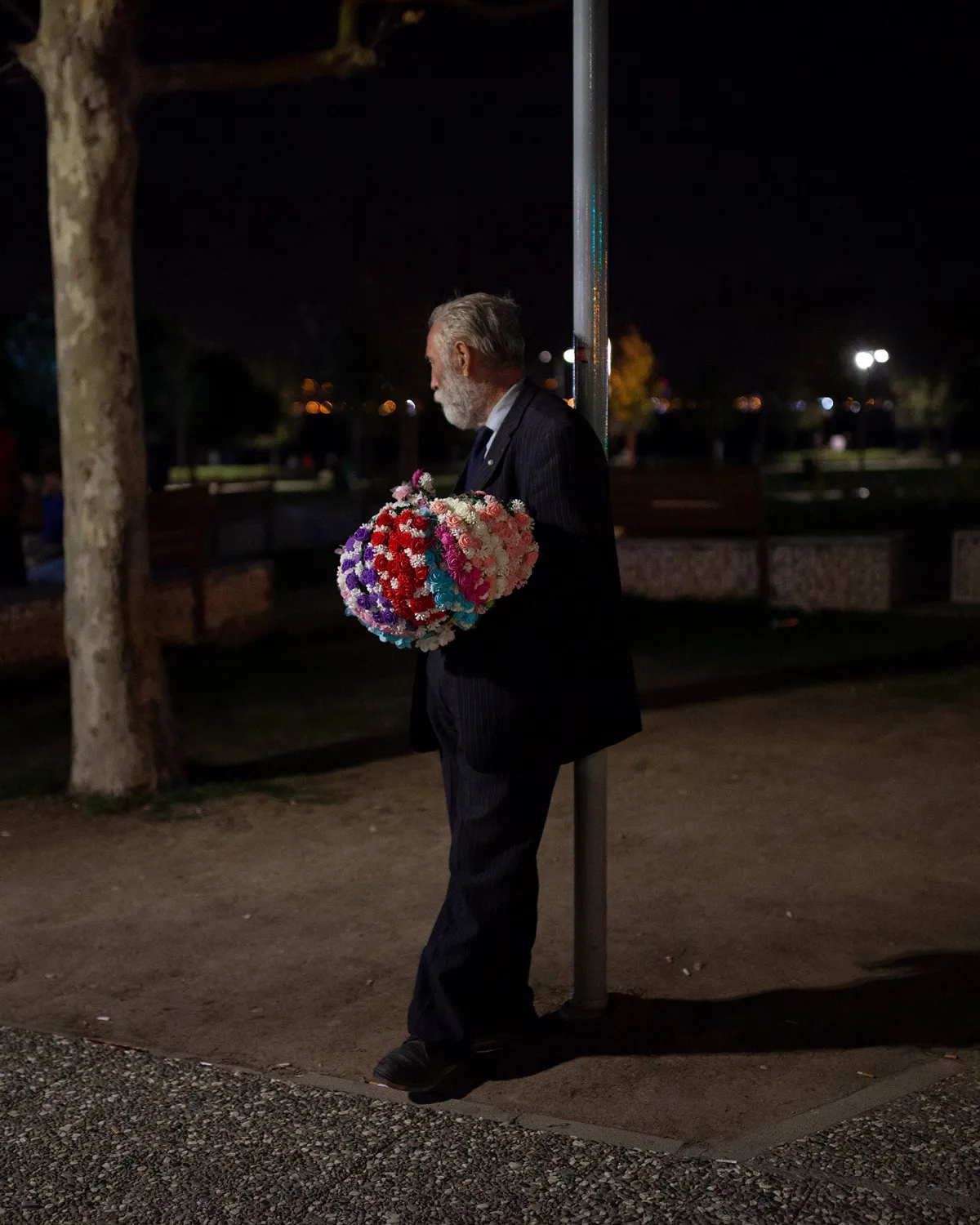
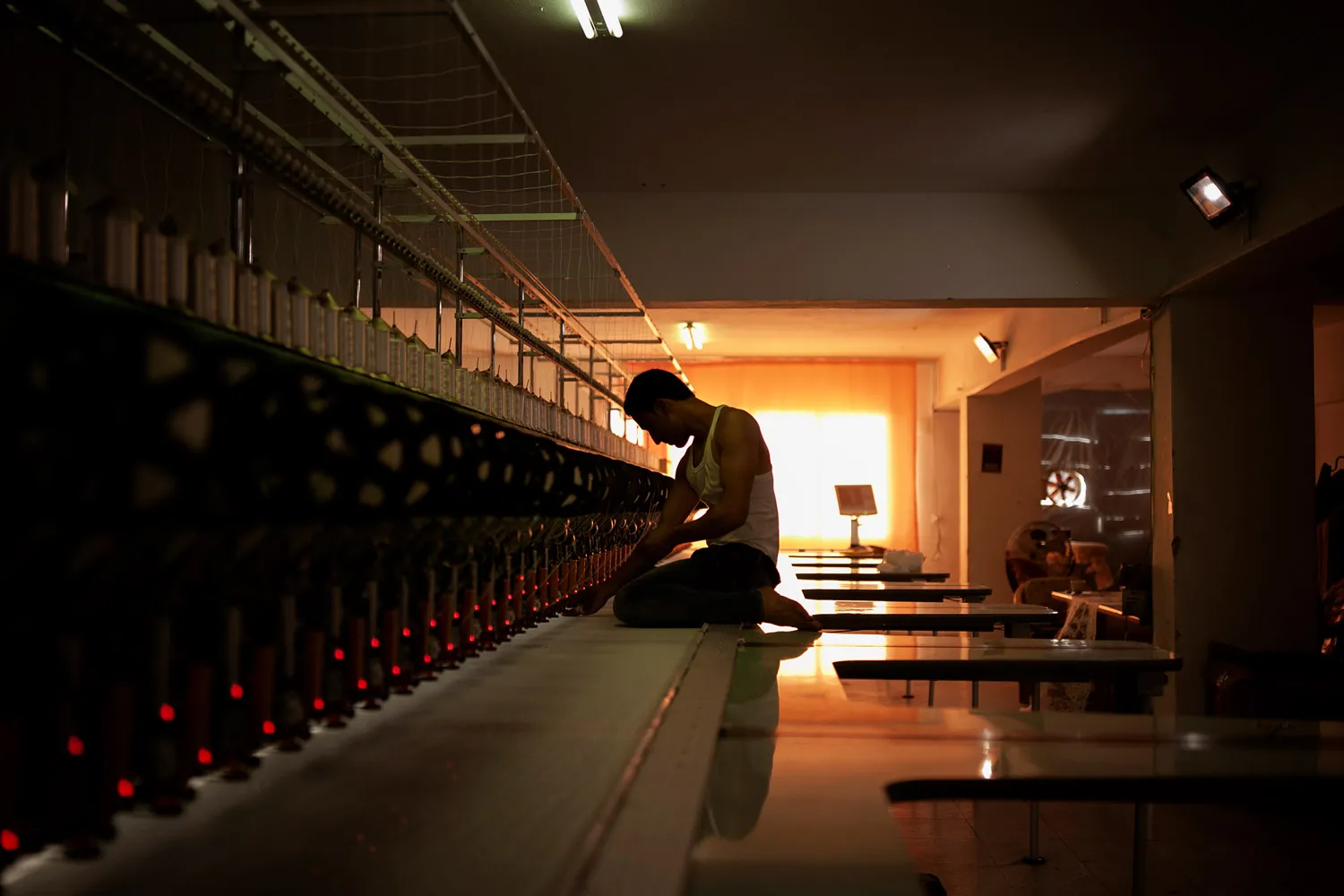
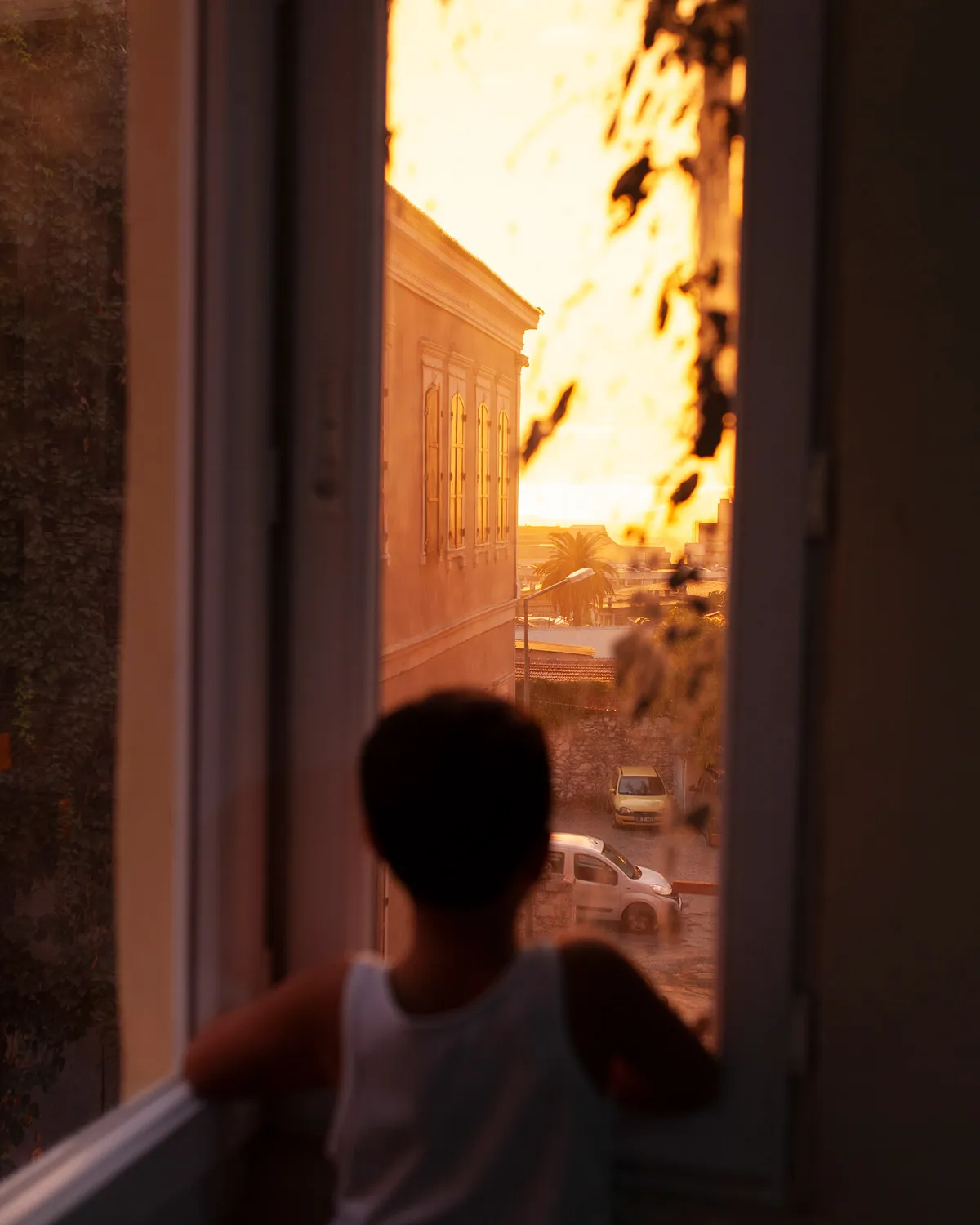
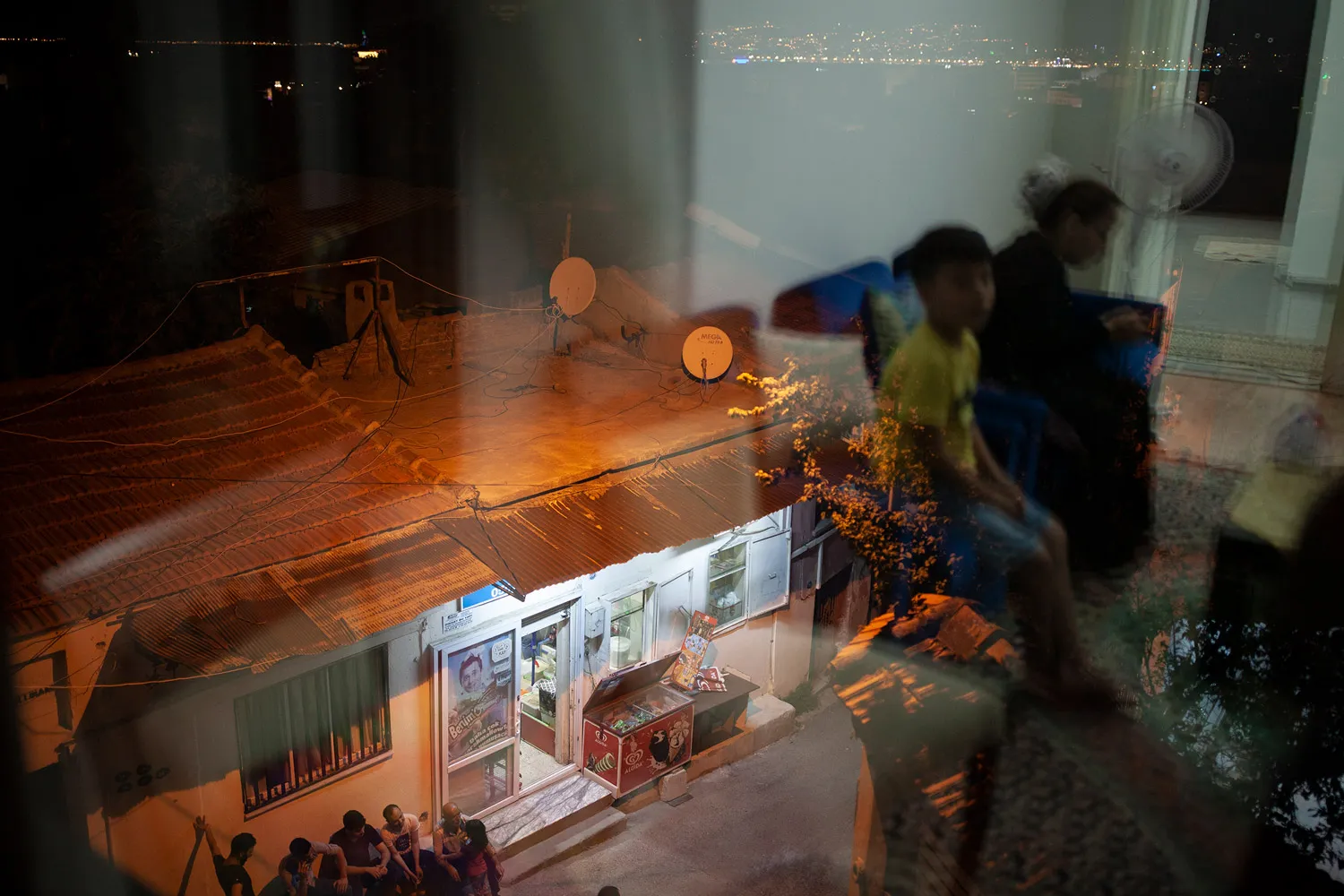
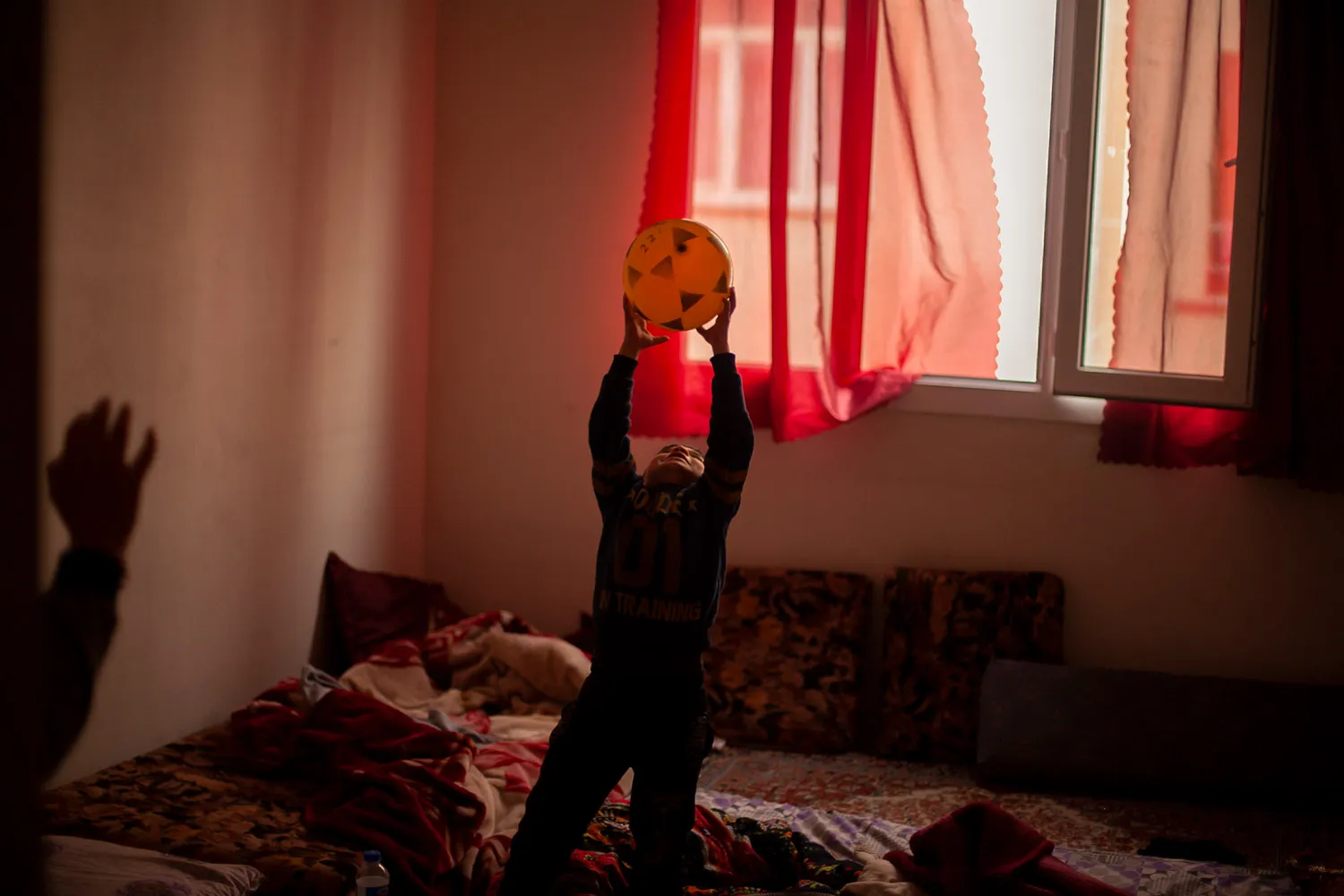
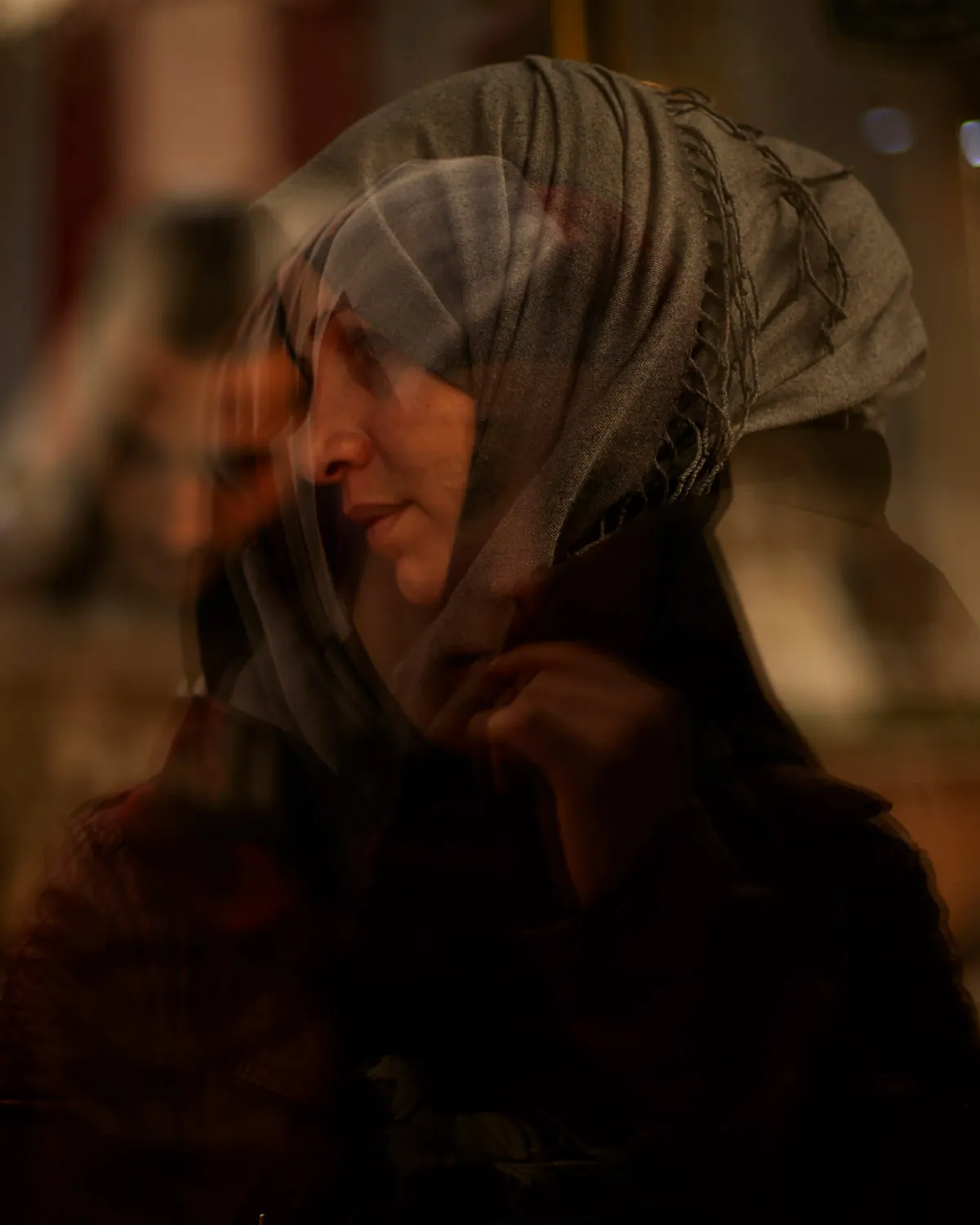
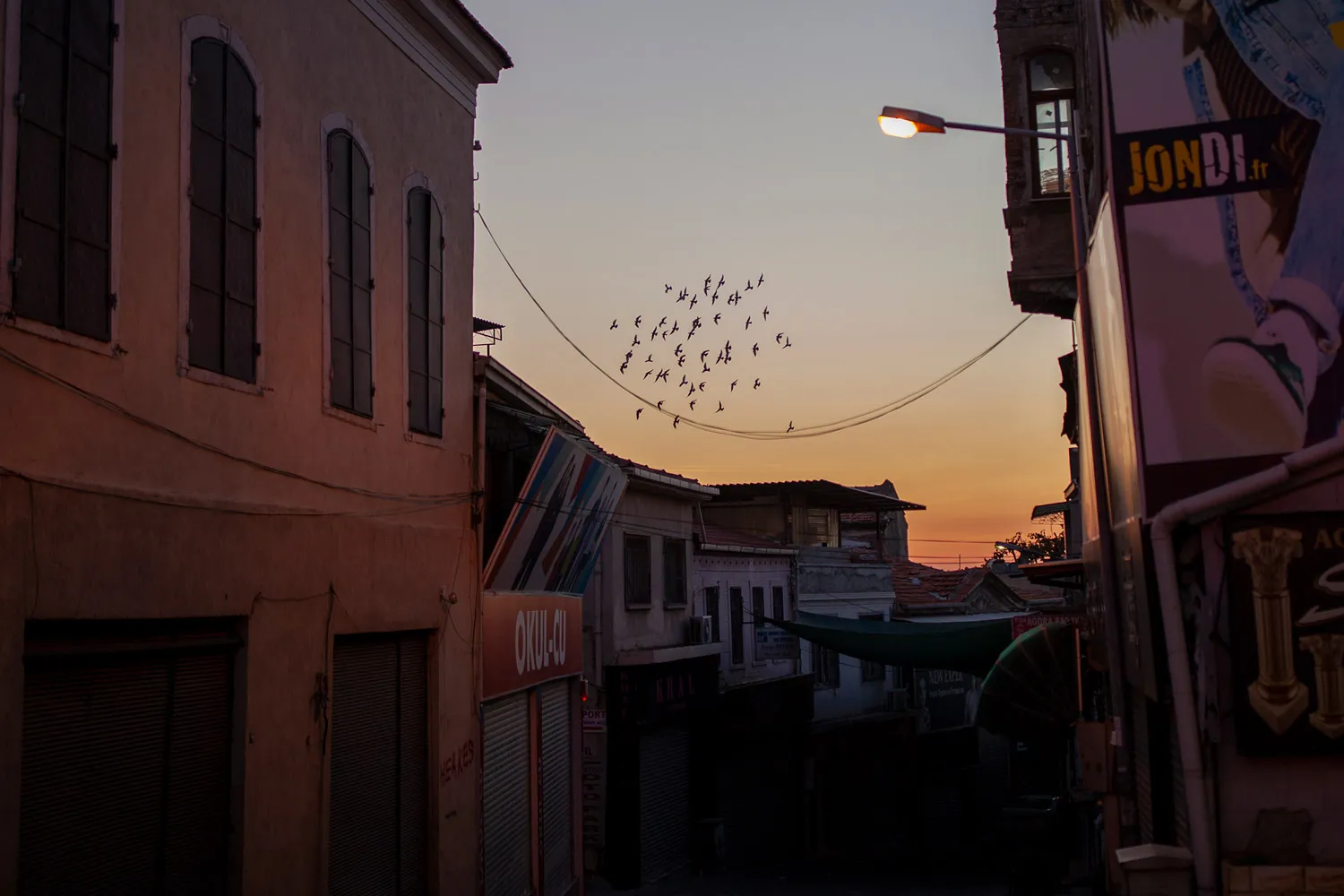
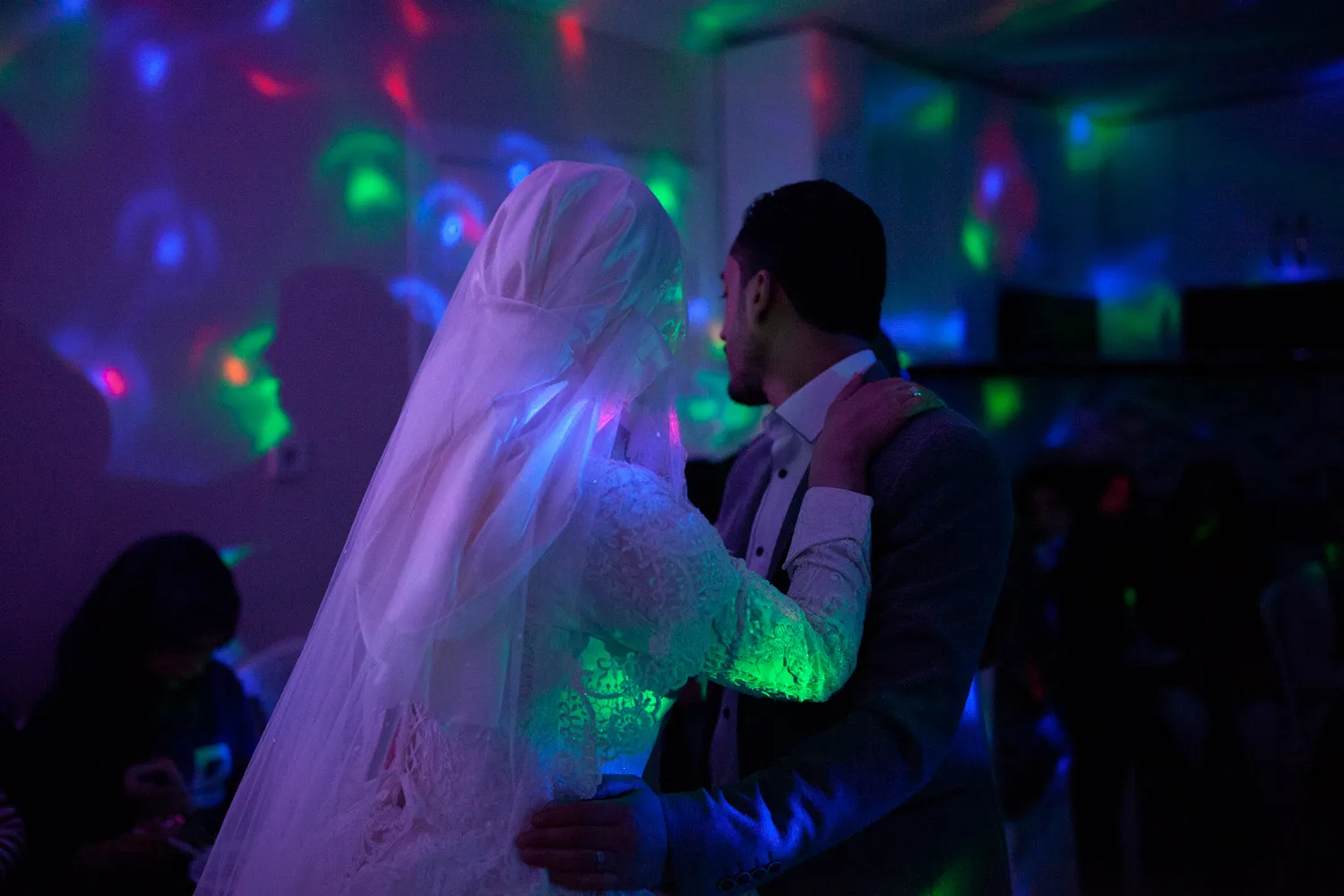
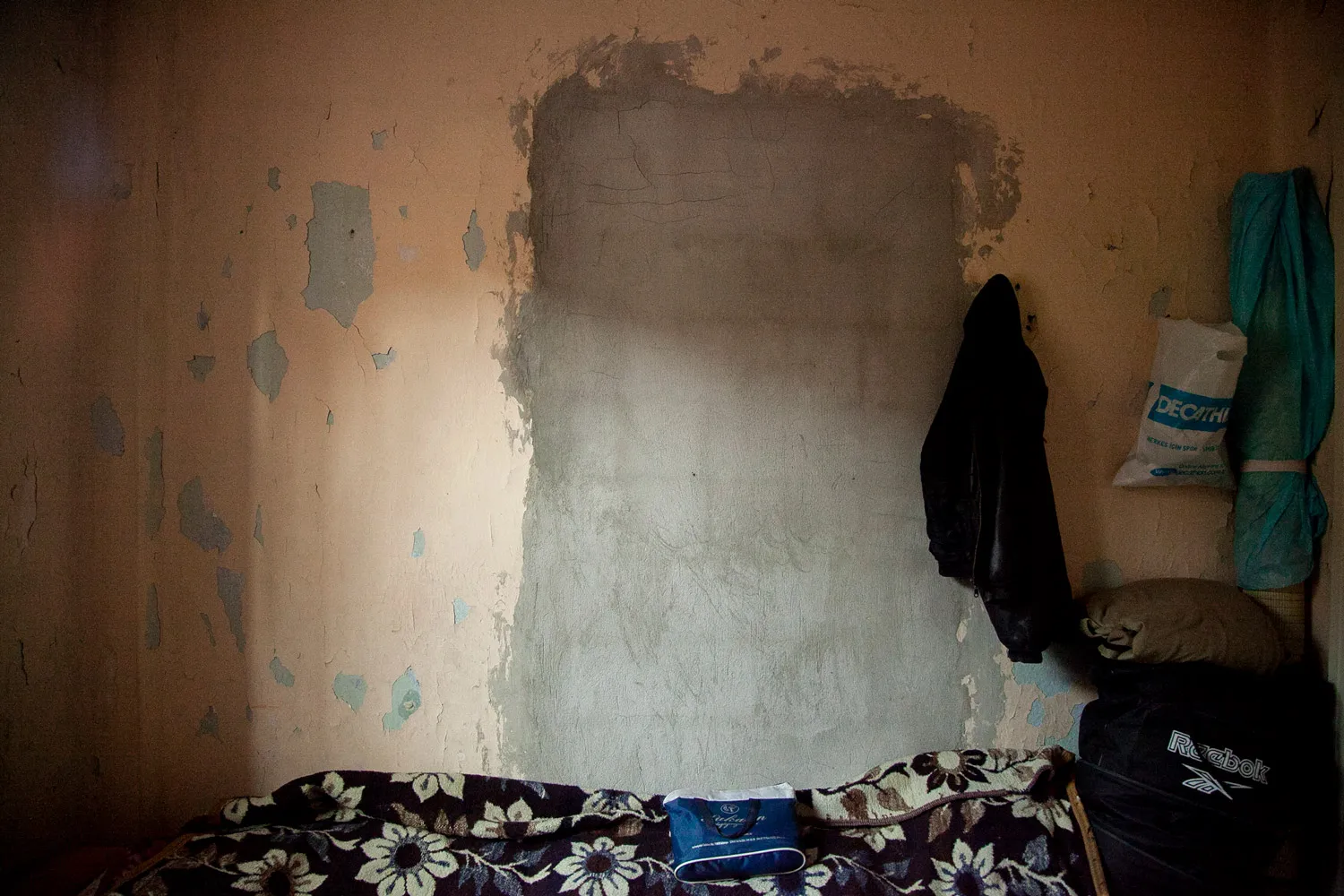
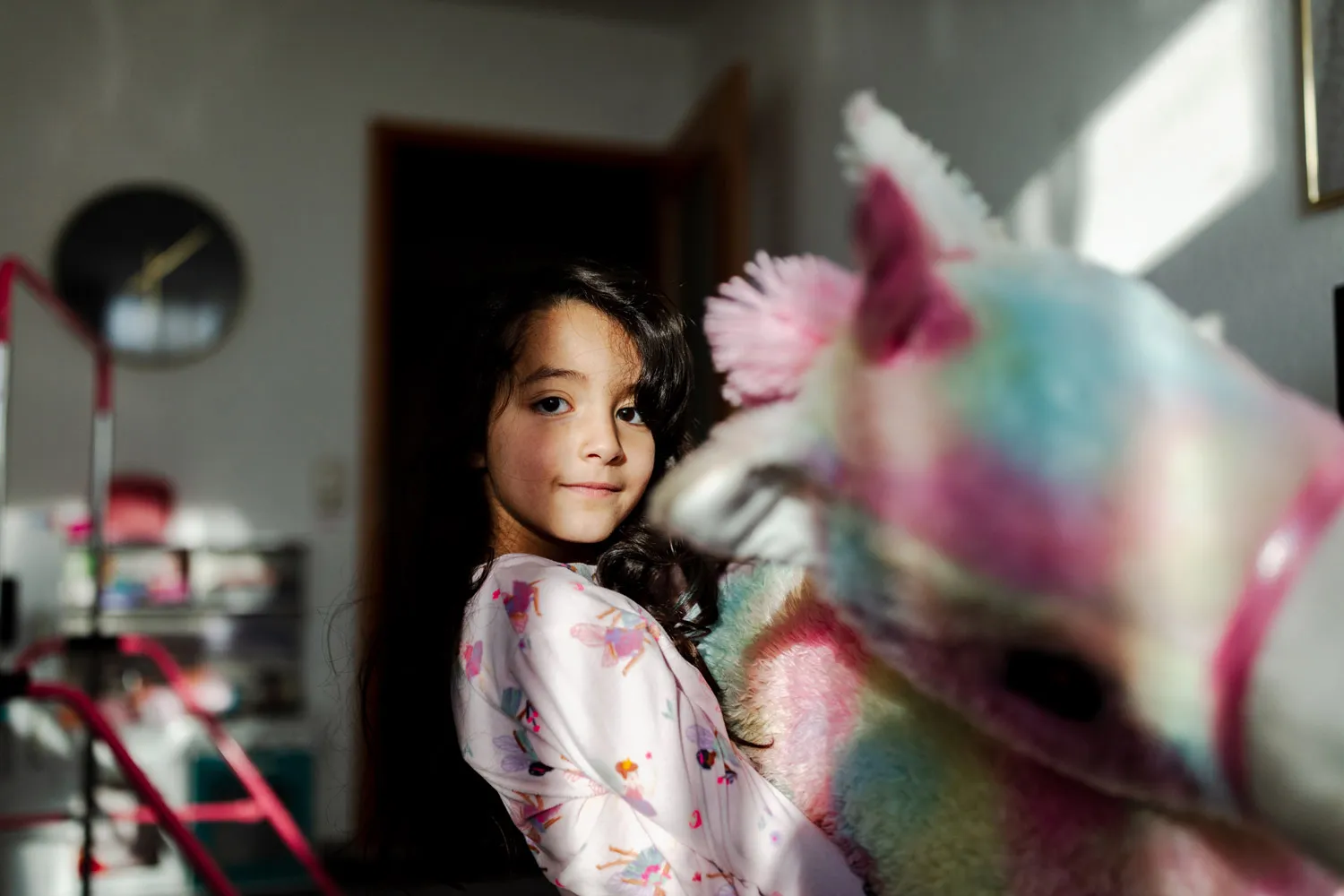
It began in Kilis, at the border of Syria and Turkey, where Ahmed proposed to Hanin. They had both fled Syria in 2014, escaping a war. Their path led them to Izmir, where they married and found work, made friends, yet drawing about a future at peace.
In 2018 they attempted to cross into Greece. Instead, they were deceived by smugglers, arrested, and left without the money. Over time, they managed to reach Greece, where Hanin gave birth to their daughter, Mila. After years of hardship in the Malakasa refugee camp, they eventually made their way to Germany.
Now, when Syria’s regime had fallen, for Ahmed the hope of seeing his parents again returns.
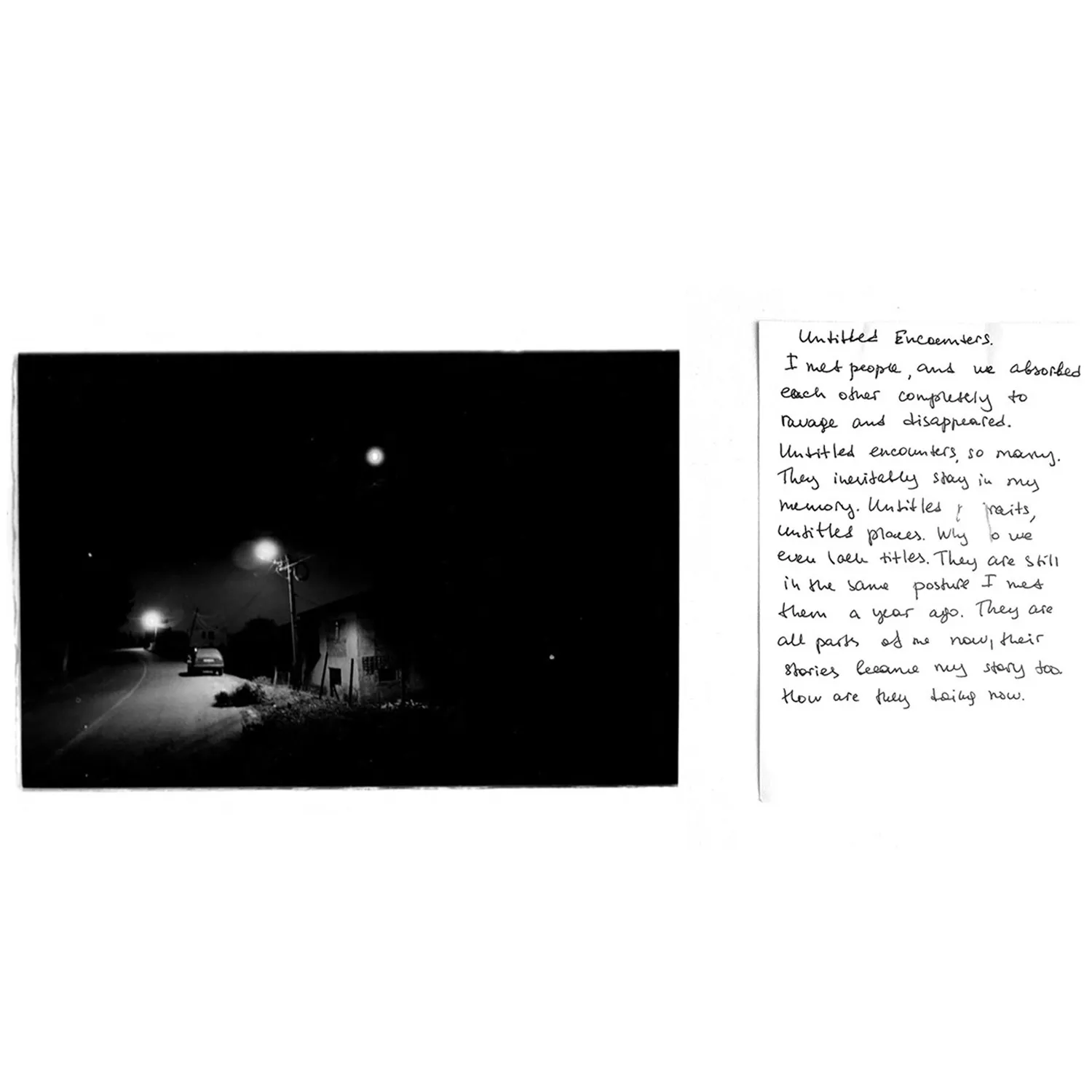
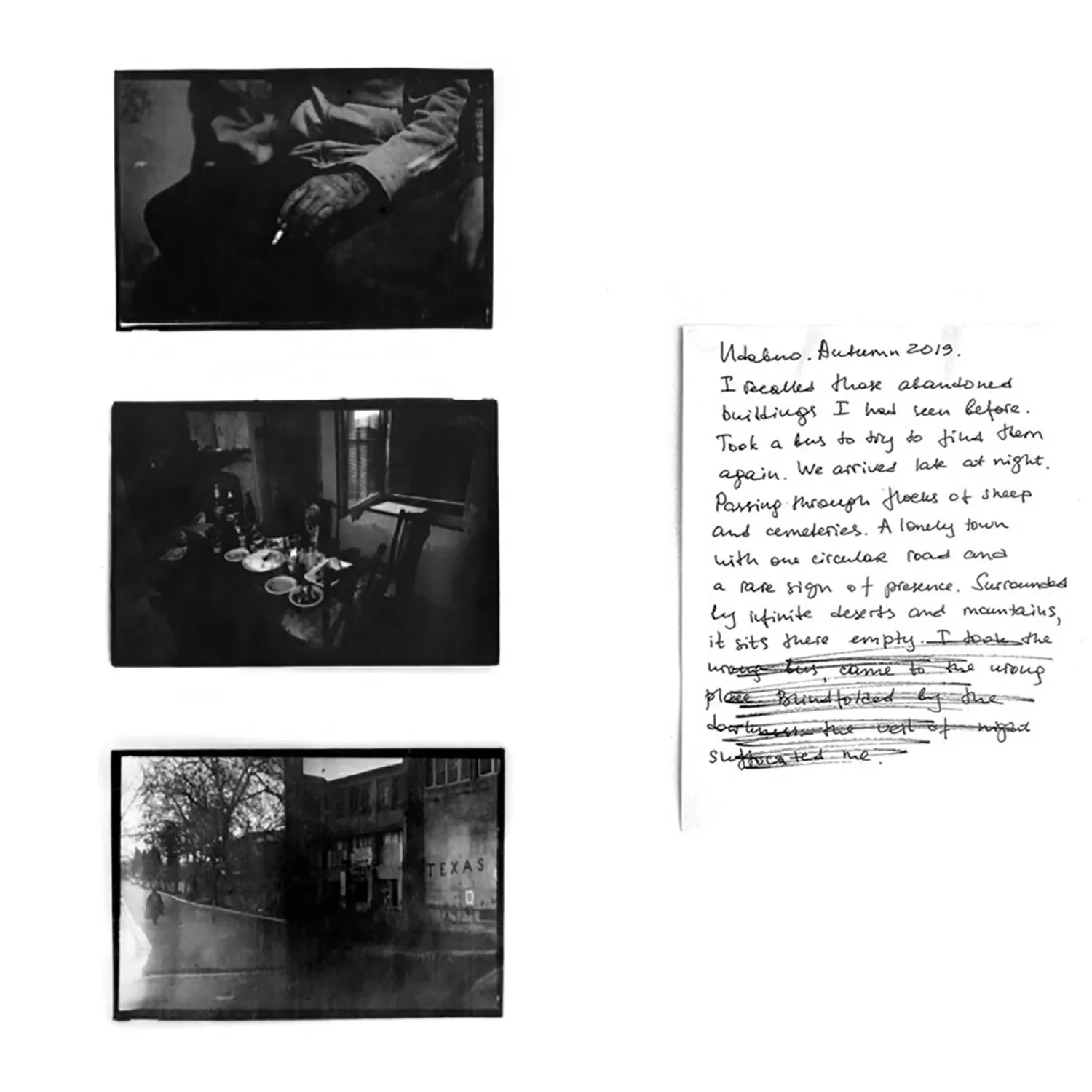
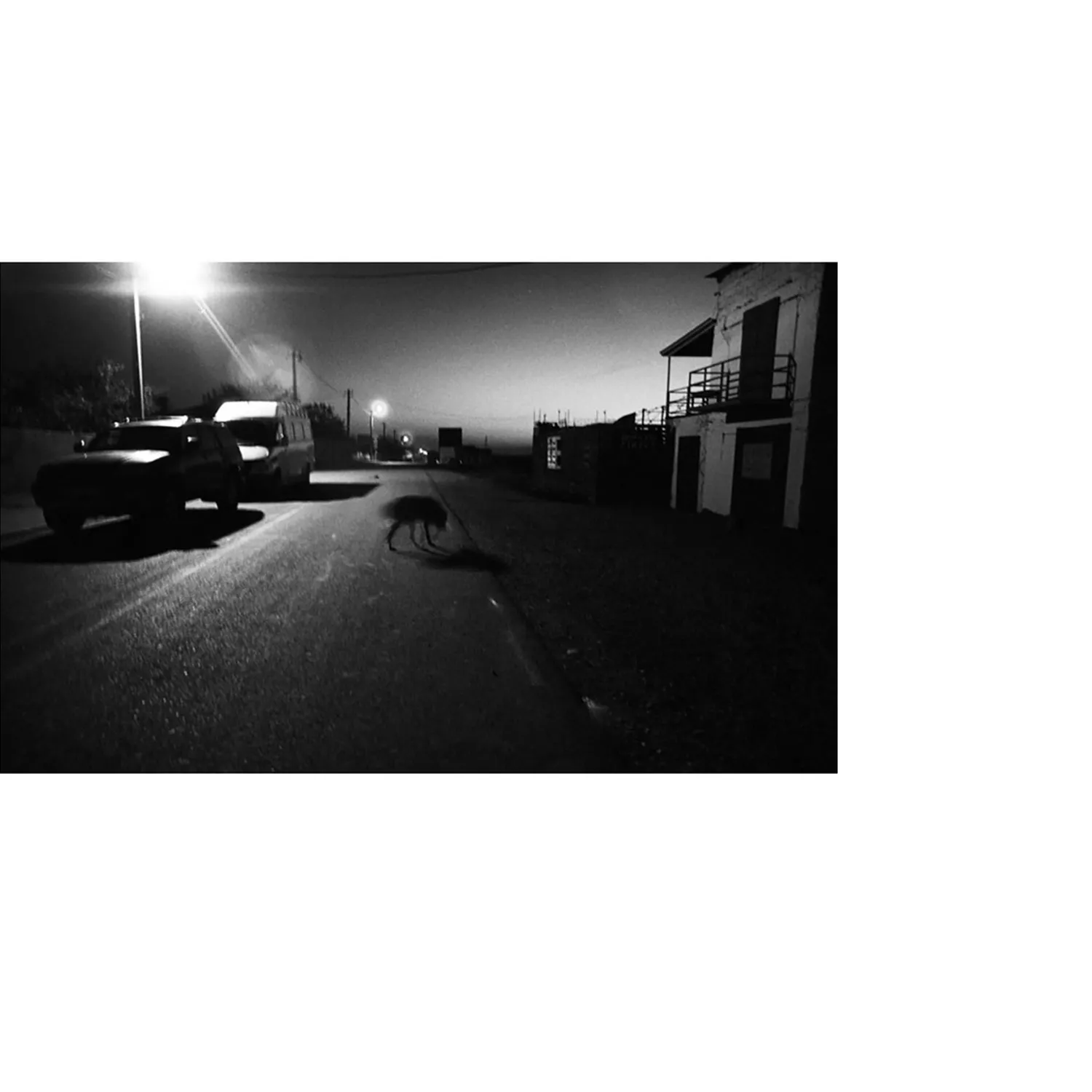
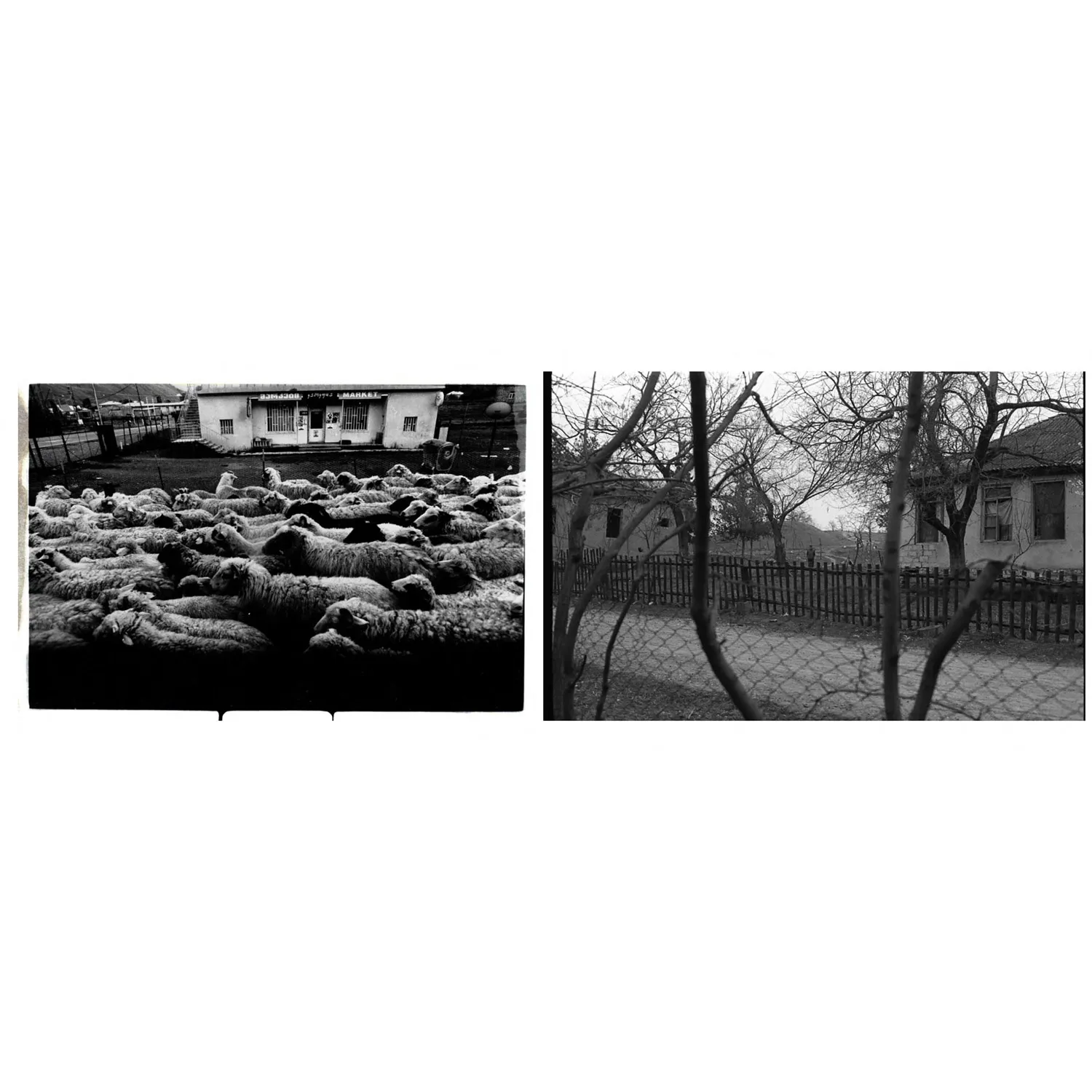
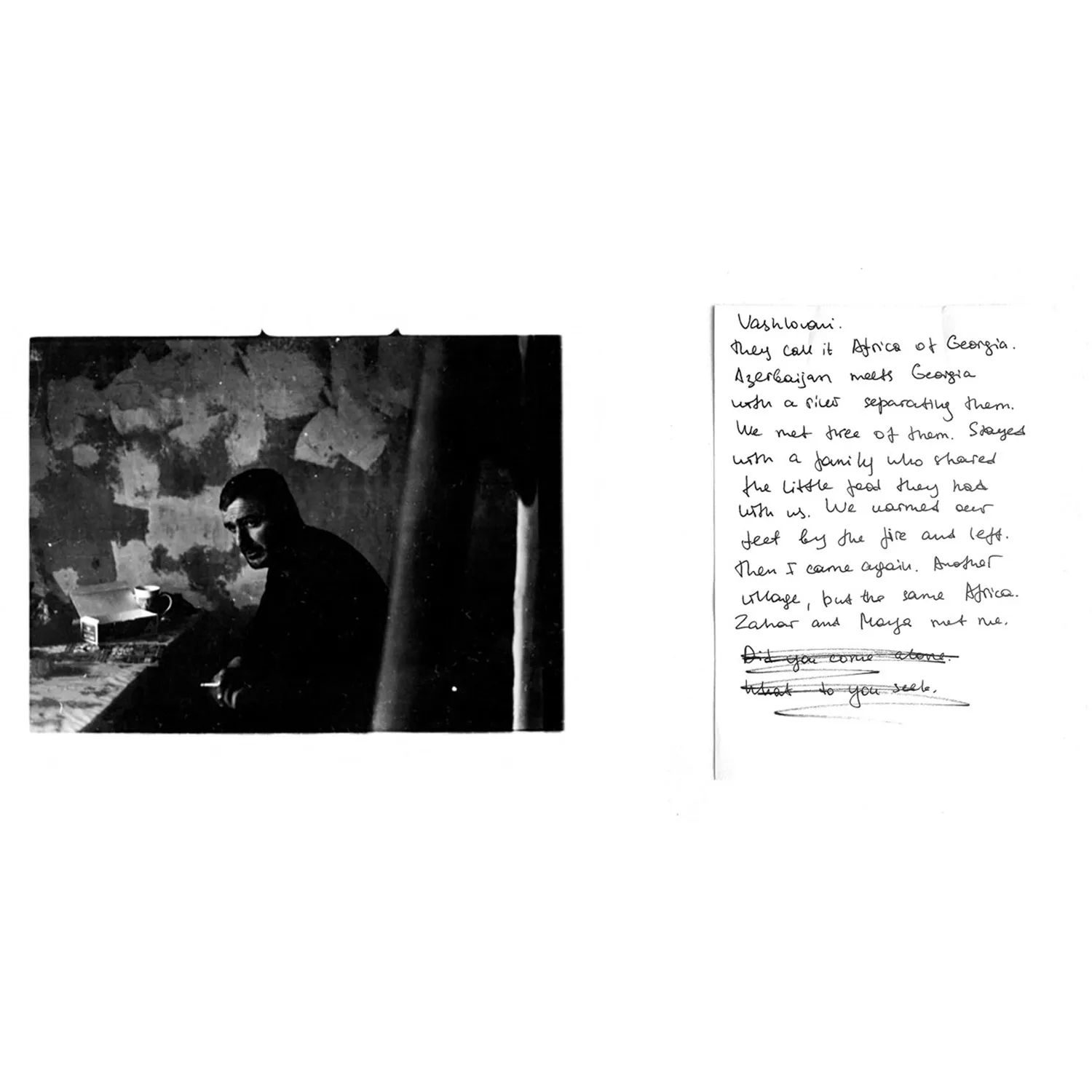

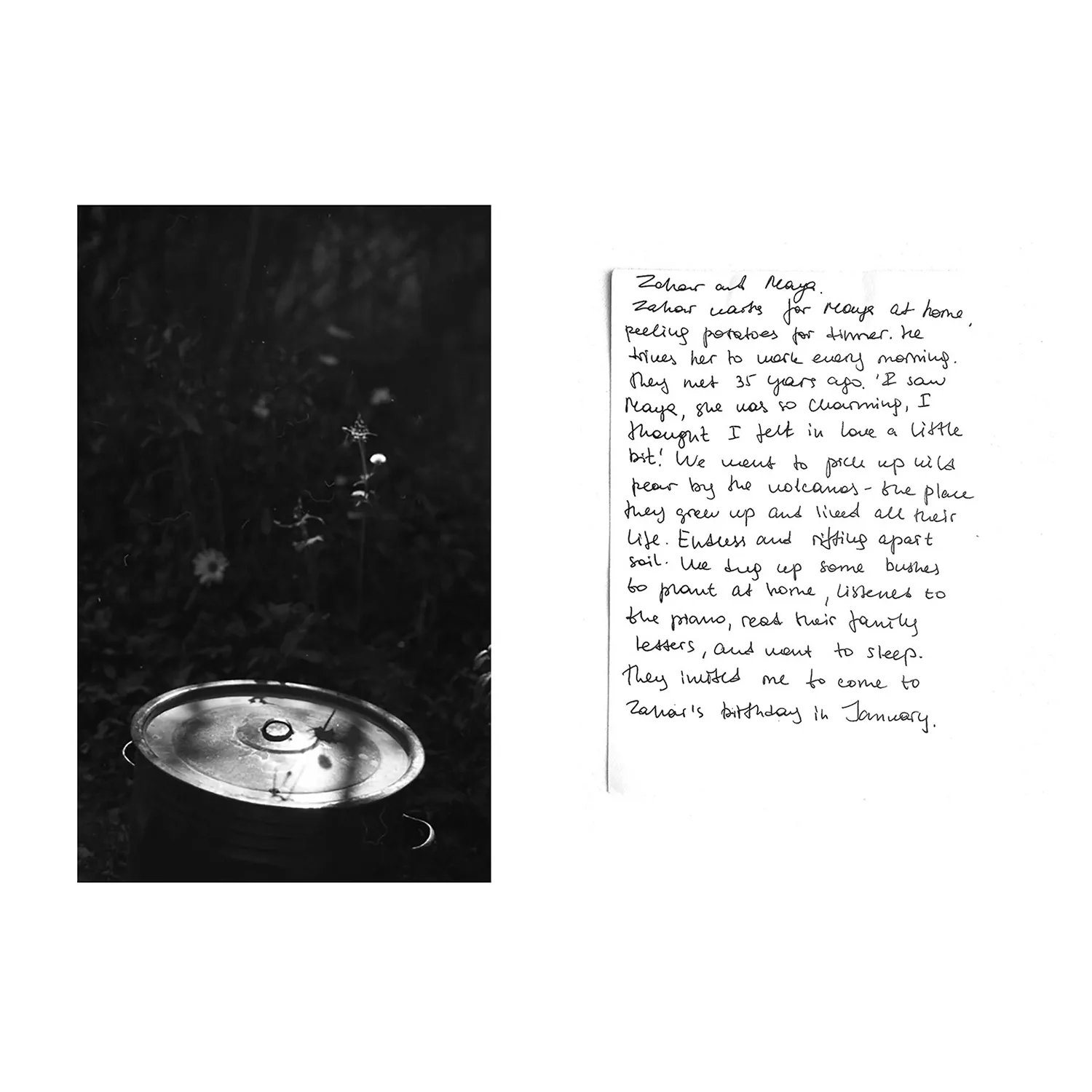
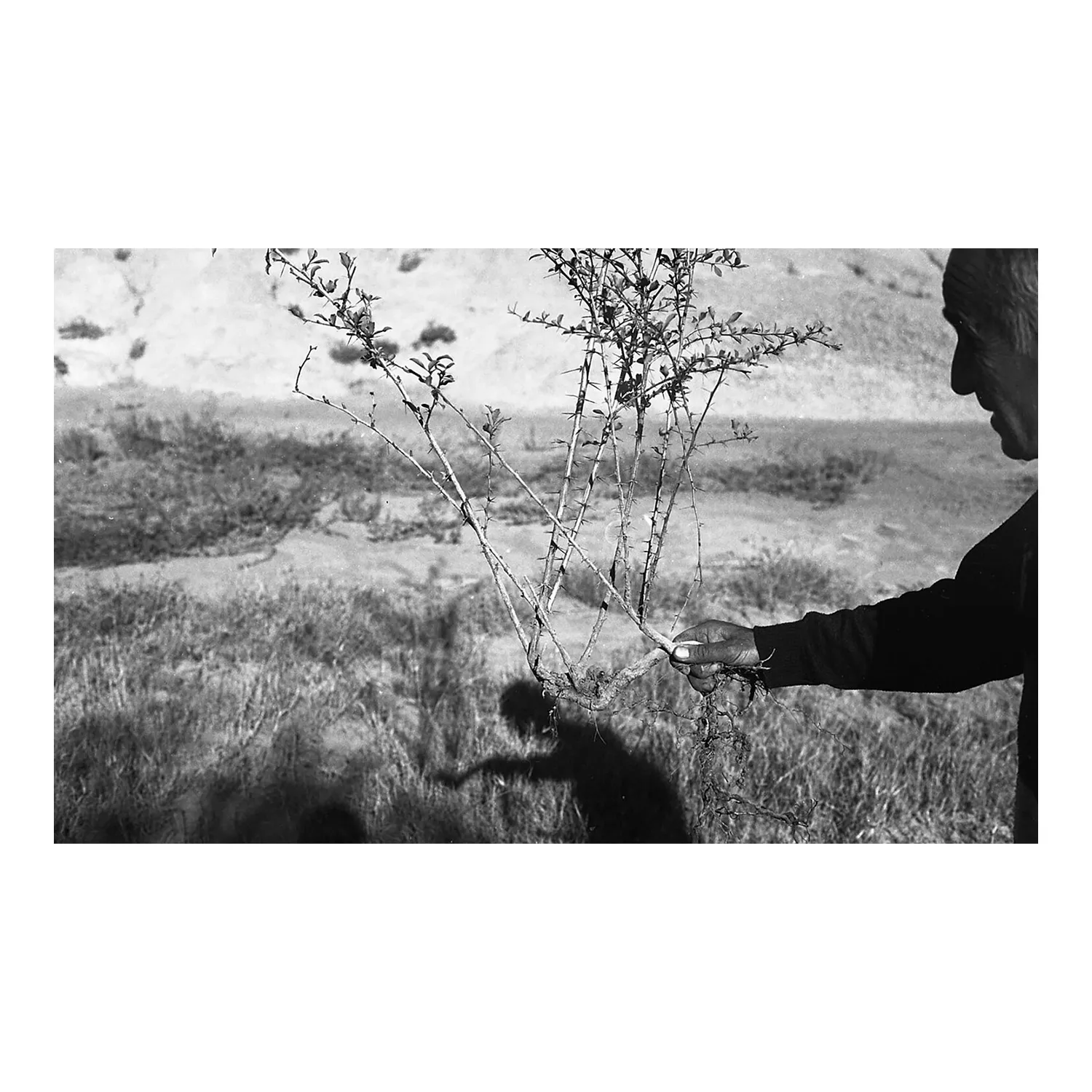
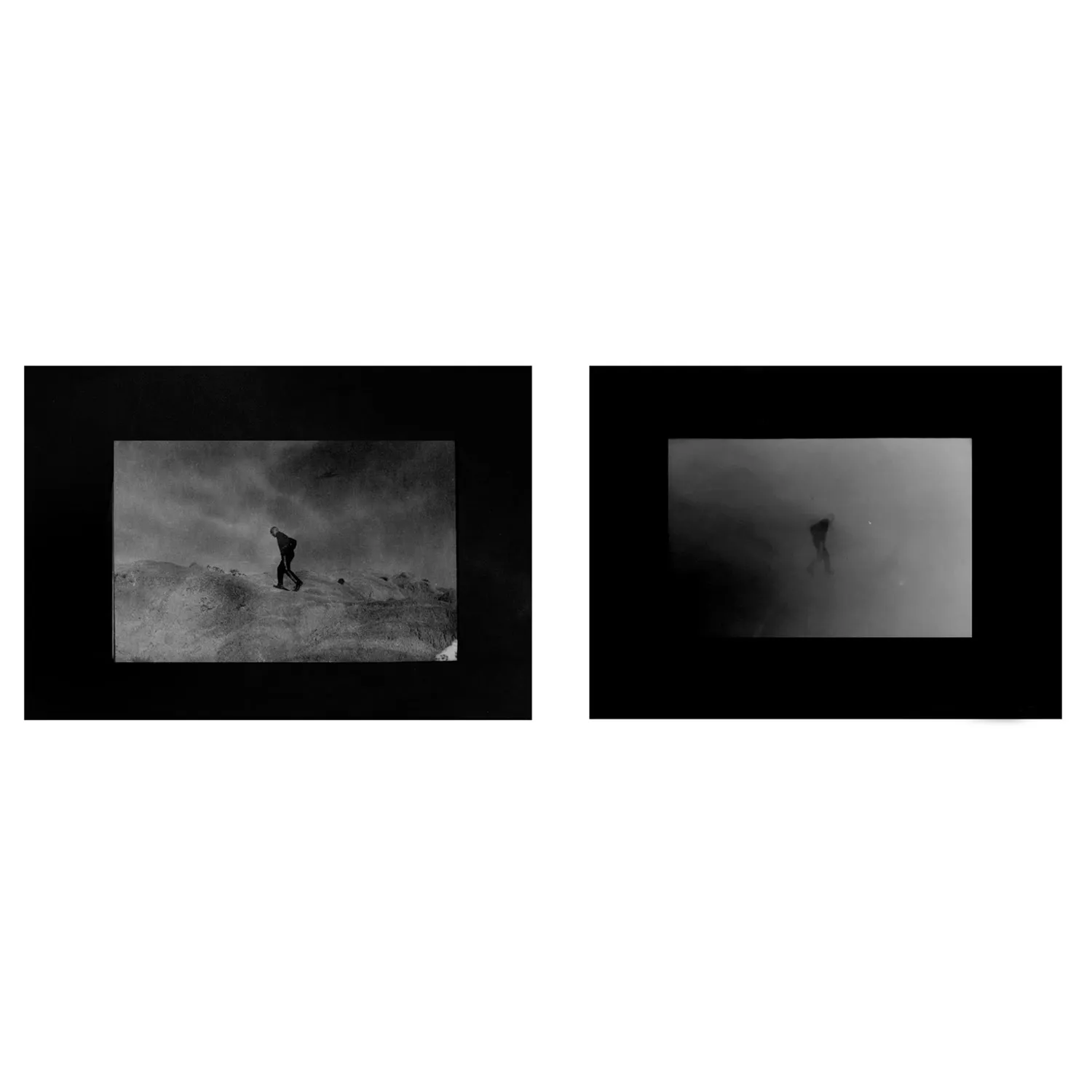
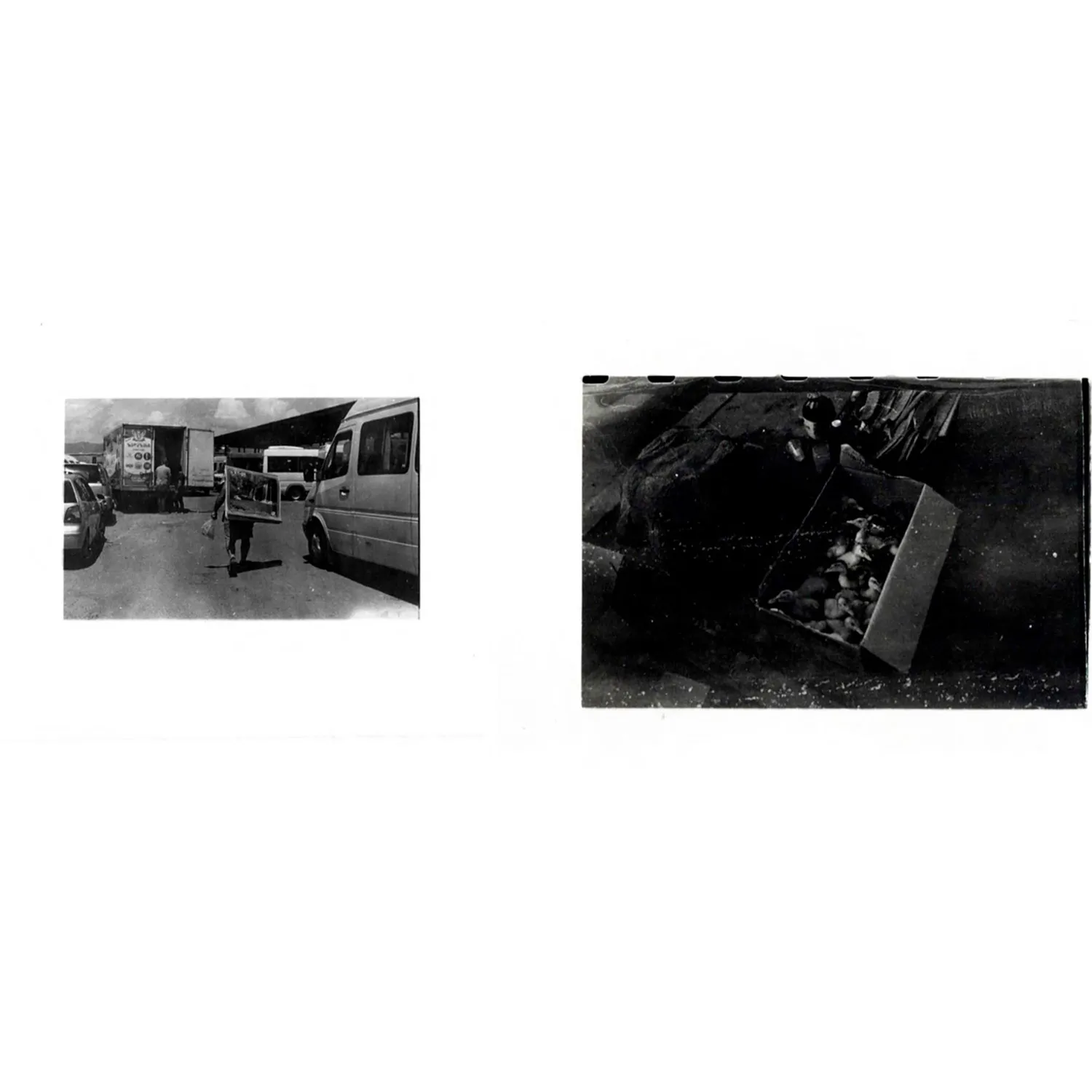
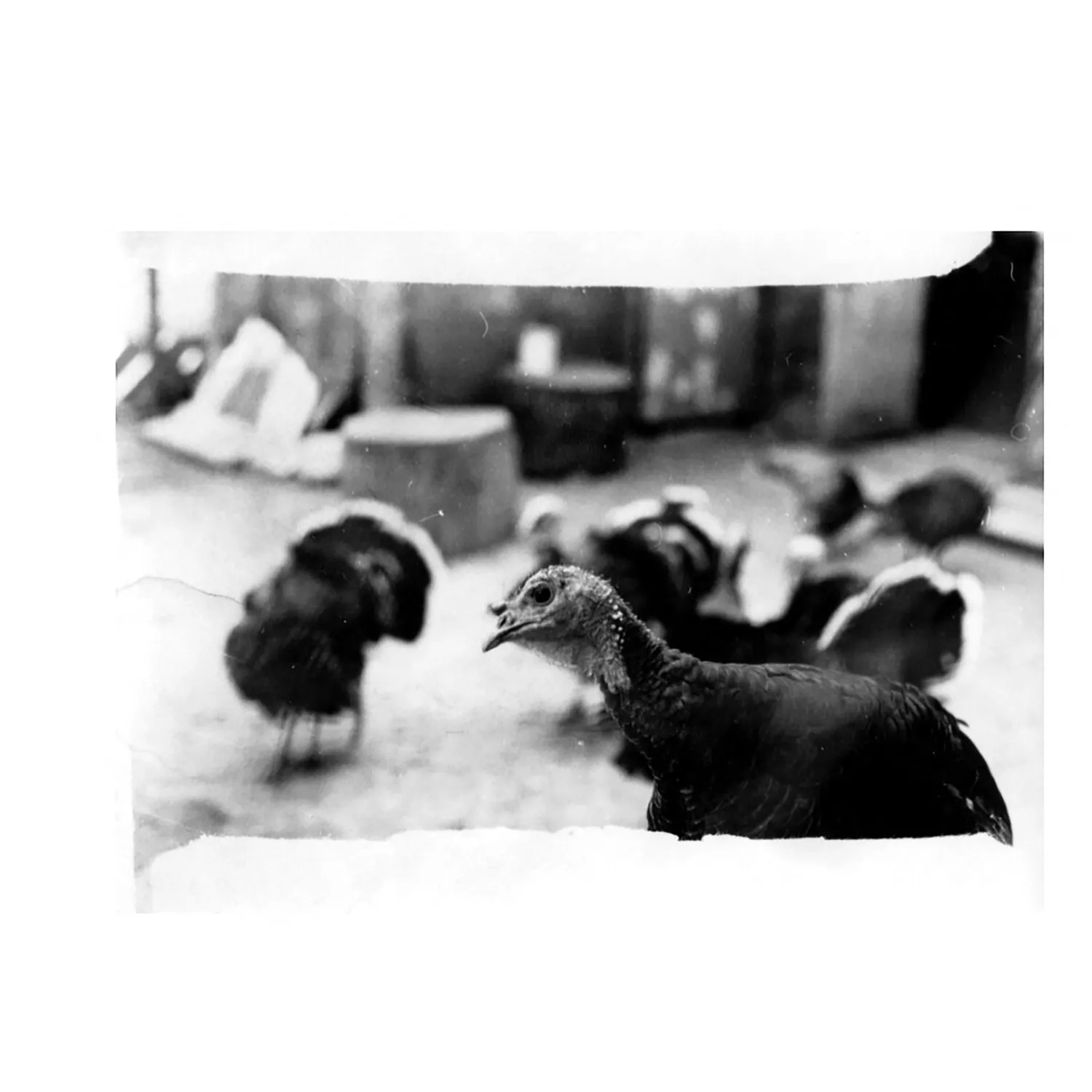
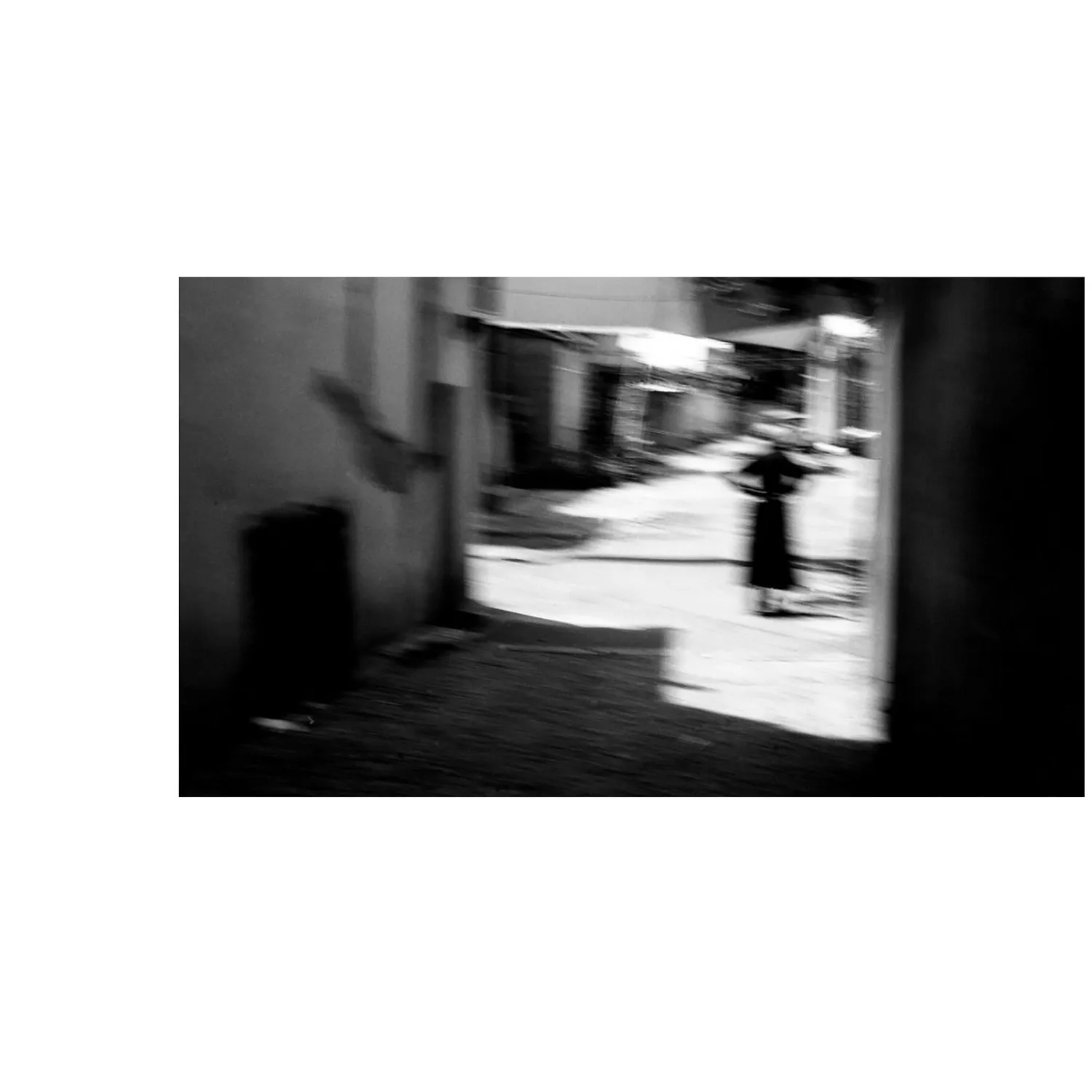
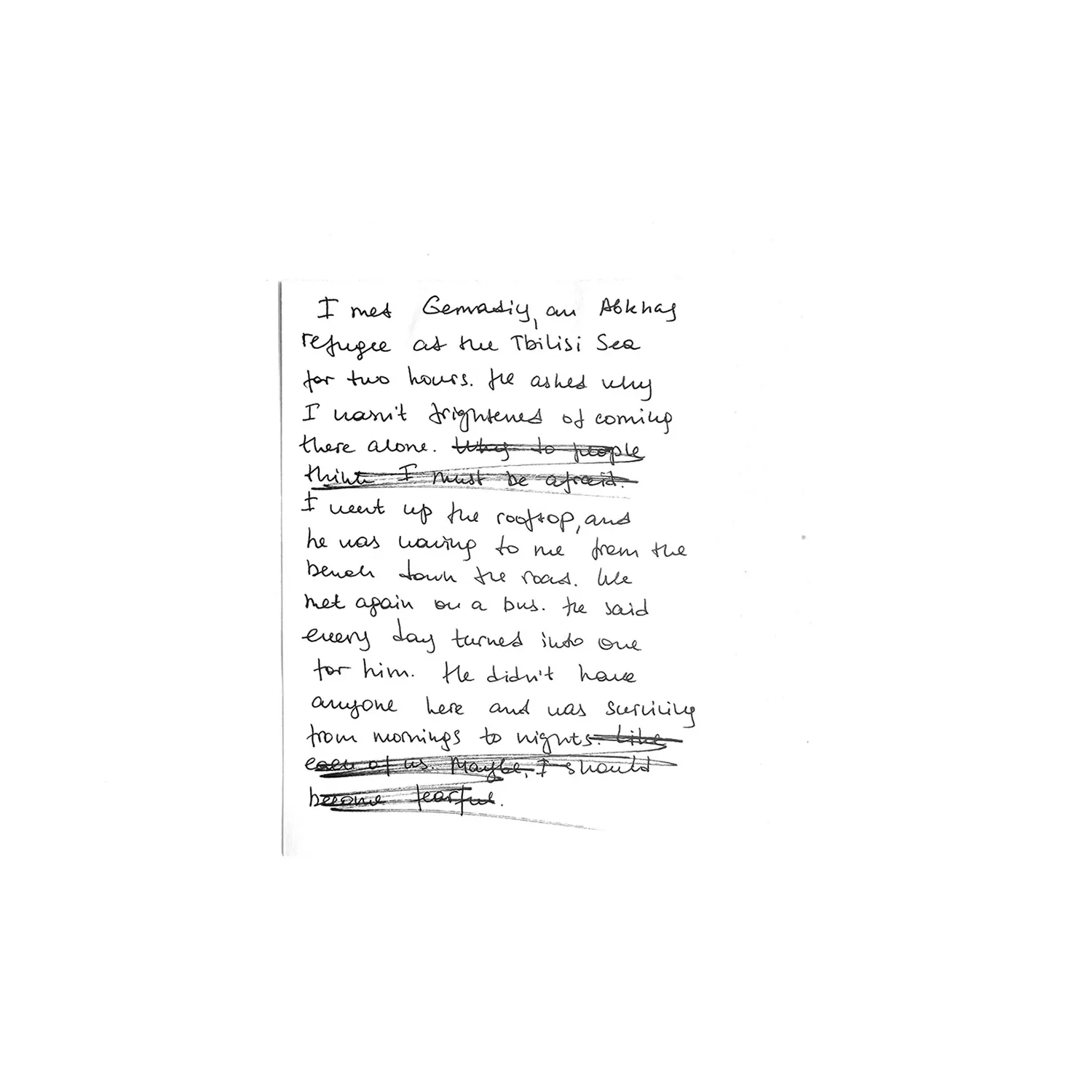
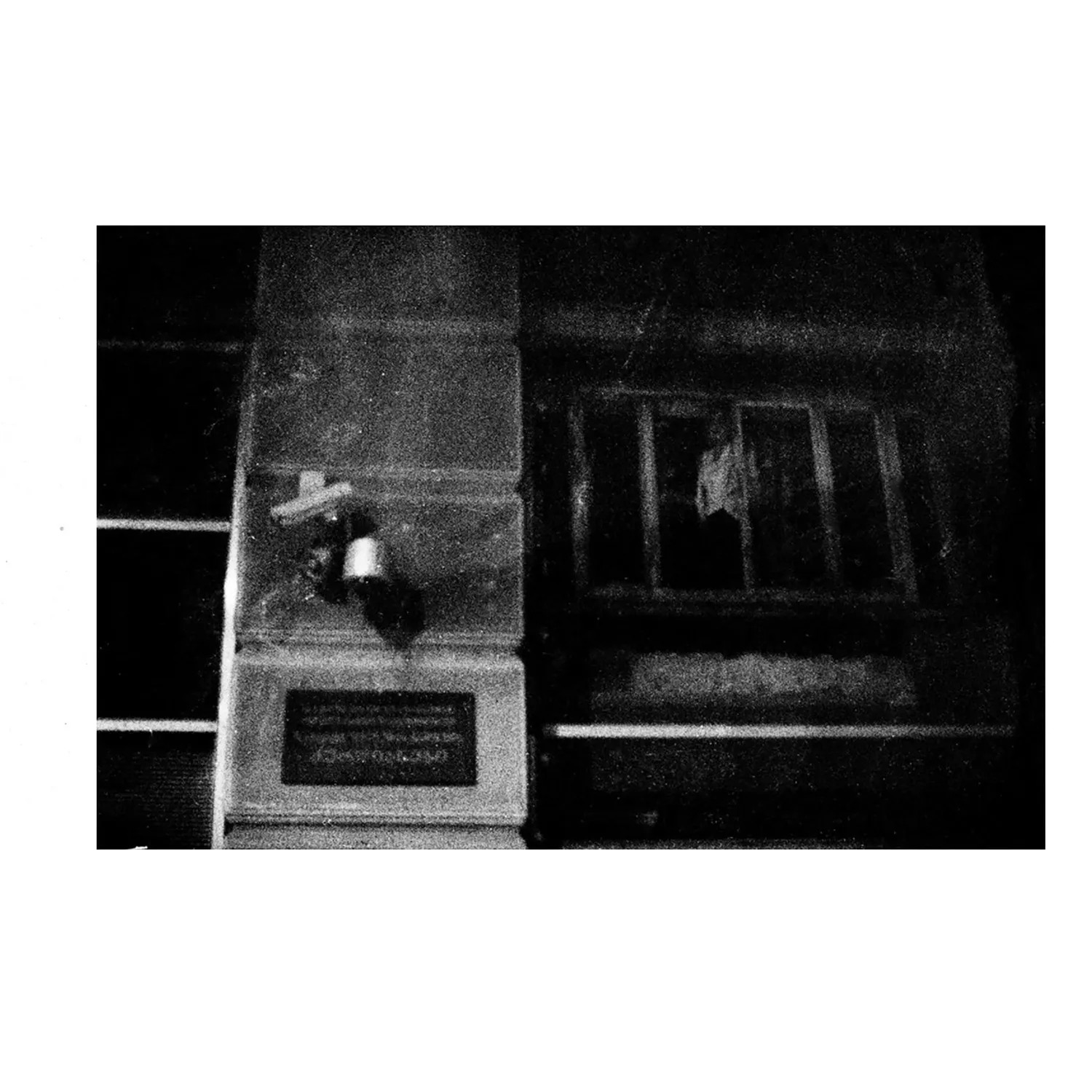
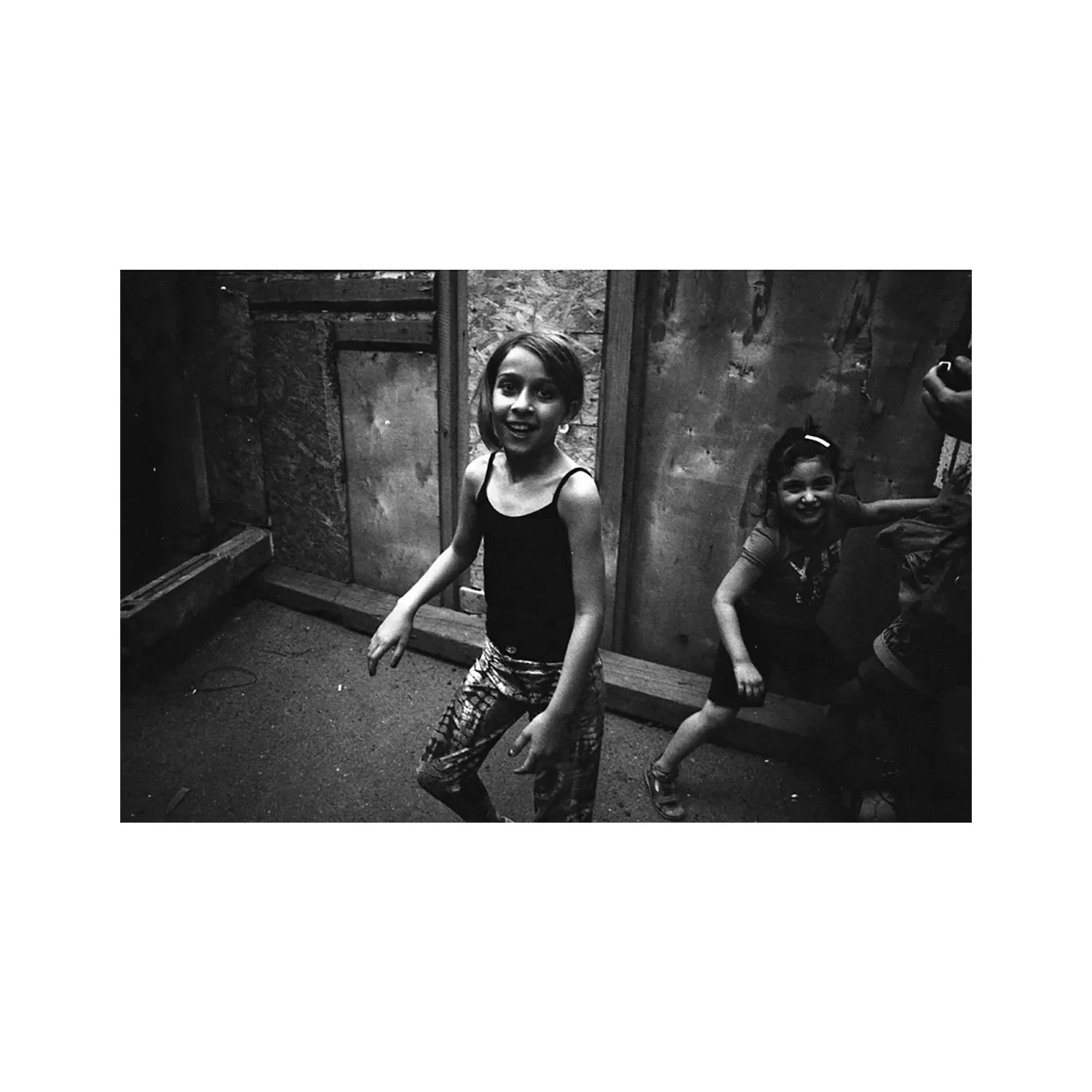
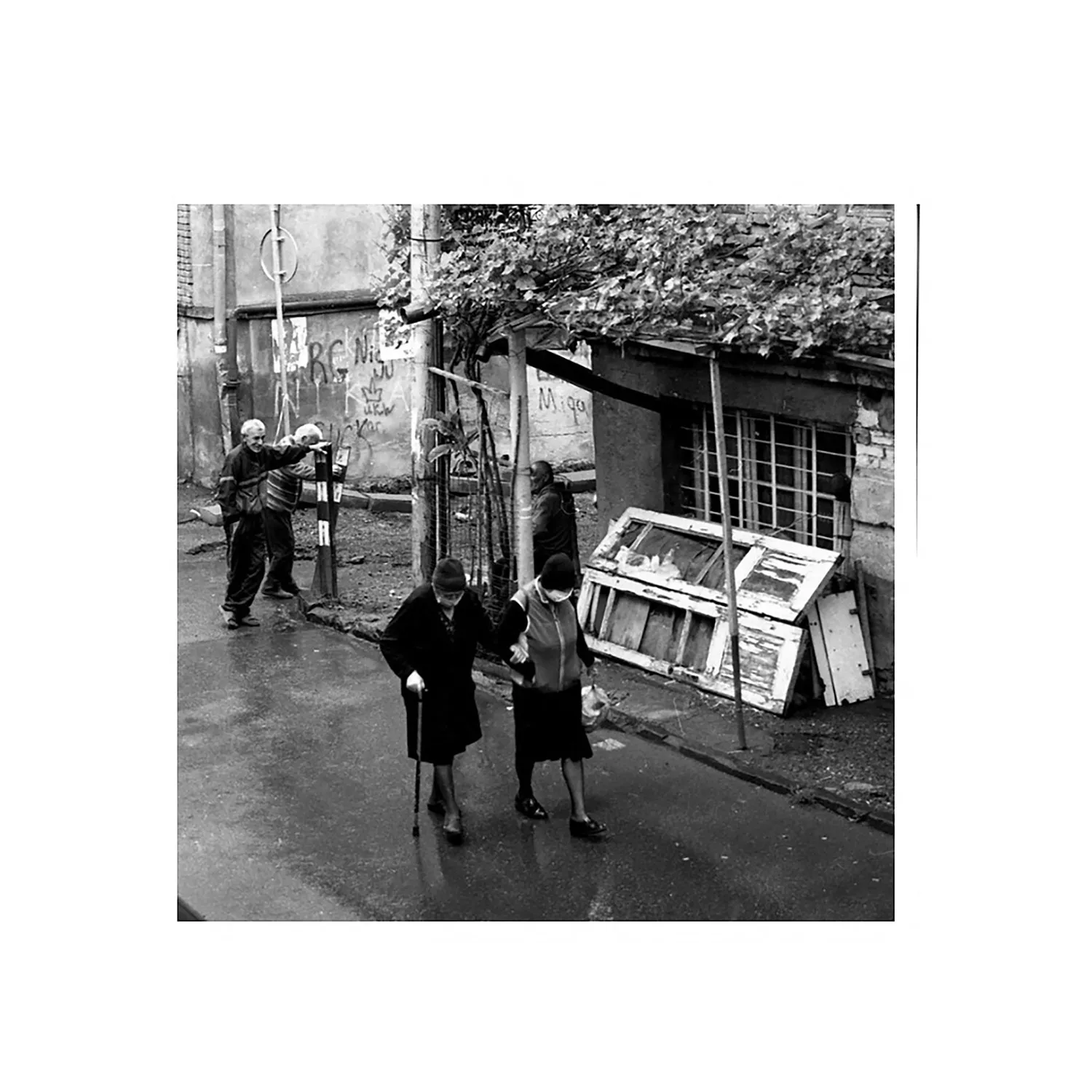
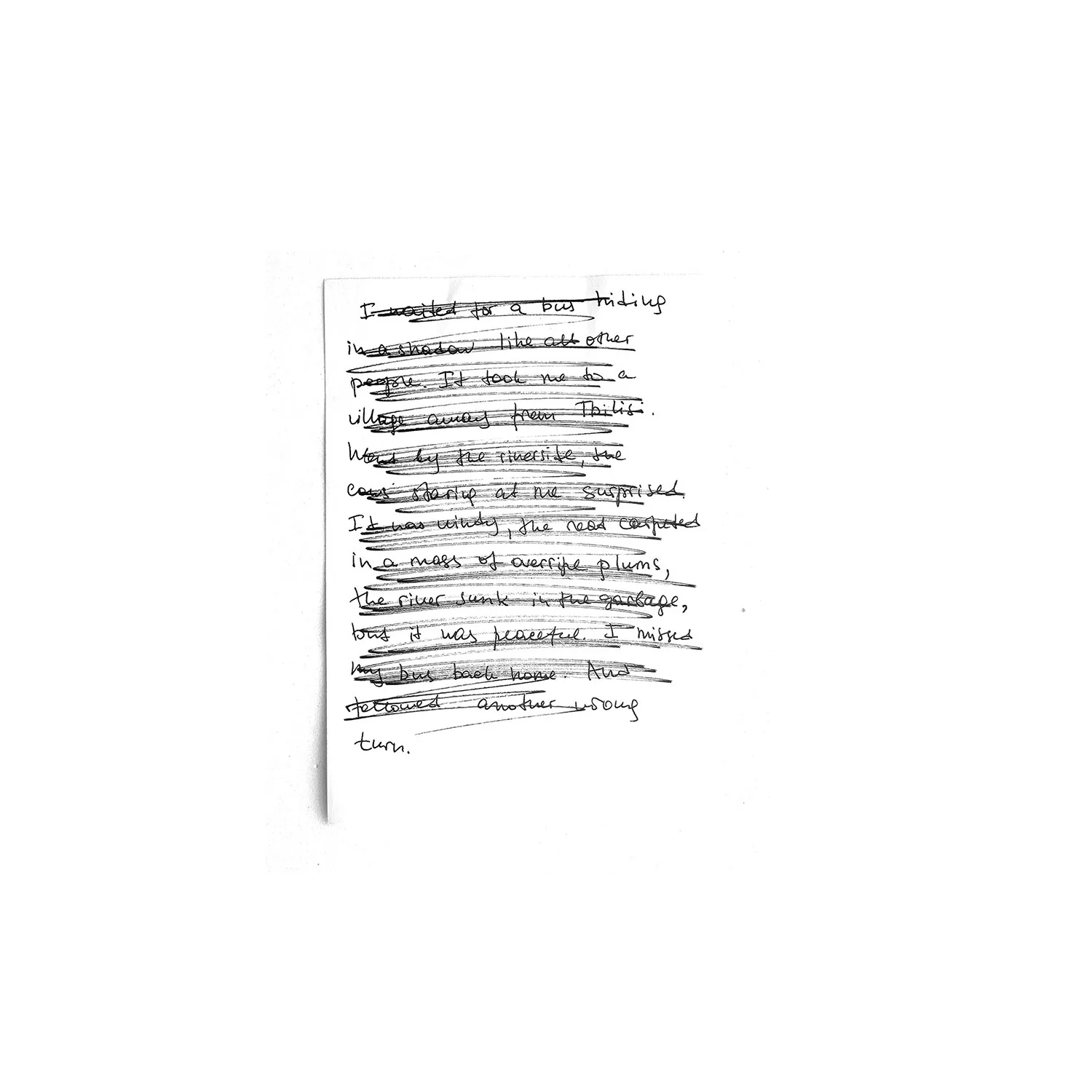
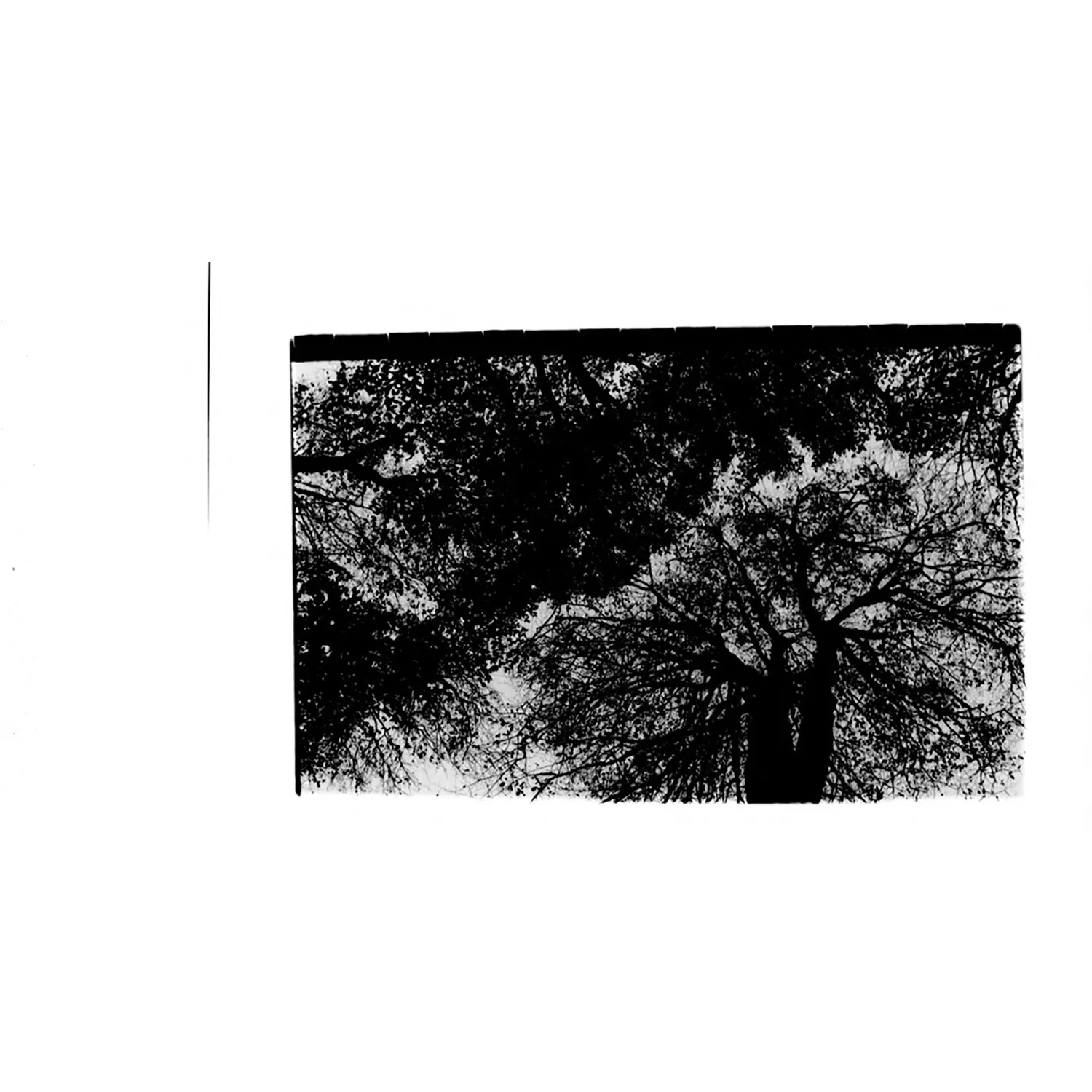
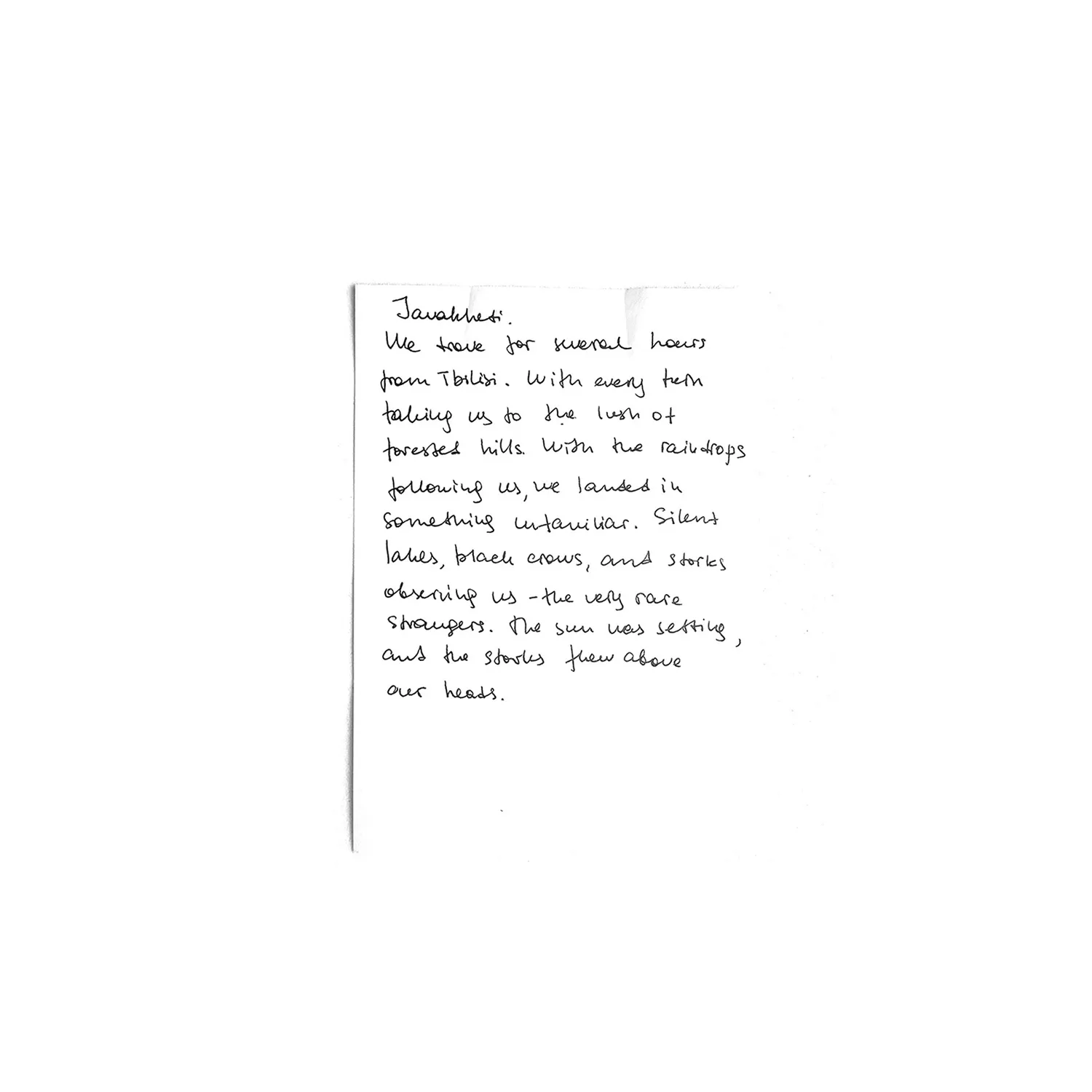
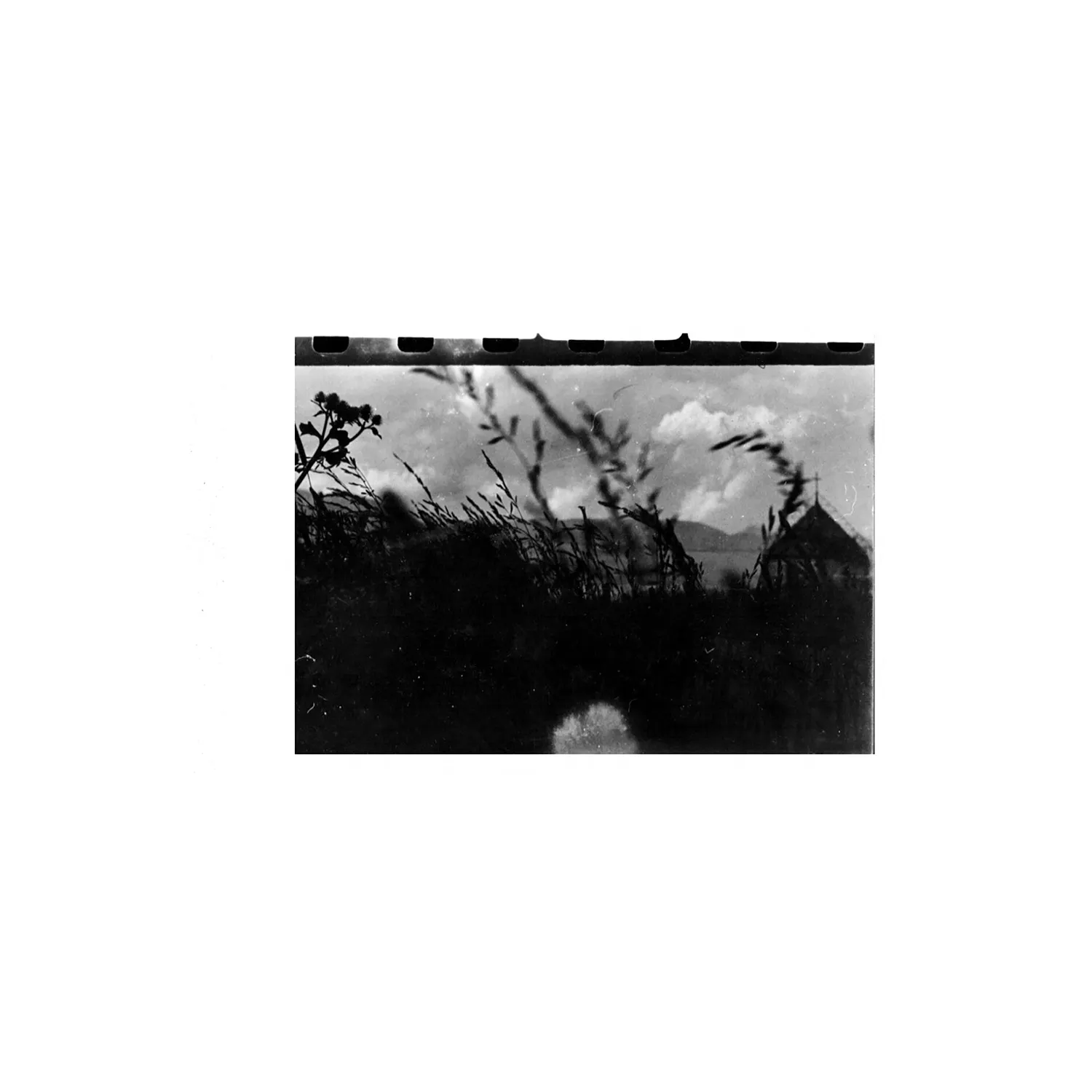
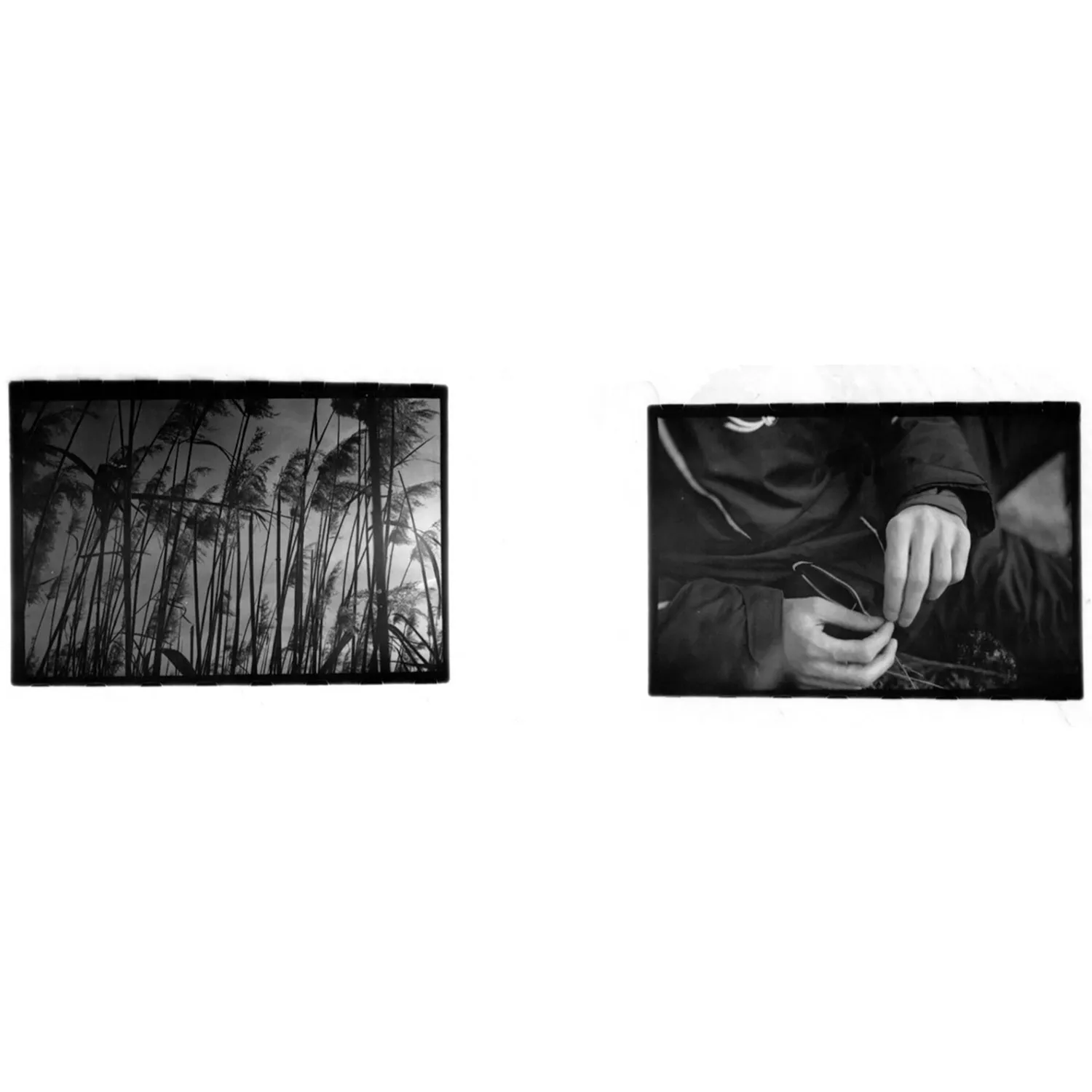
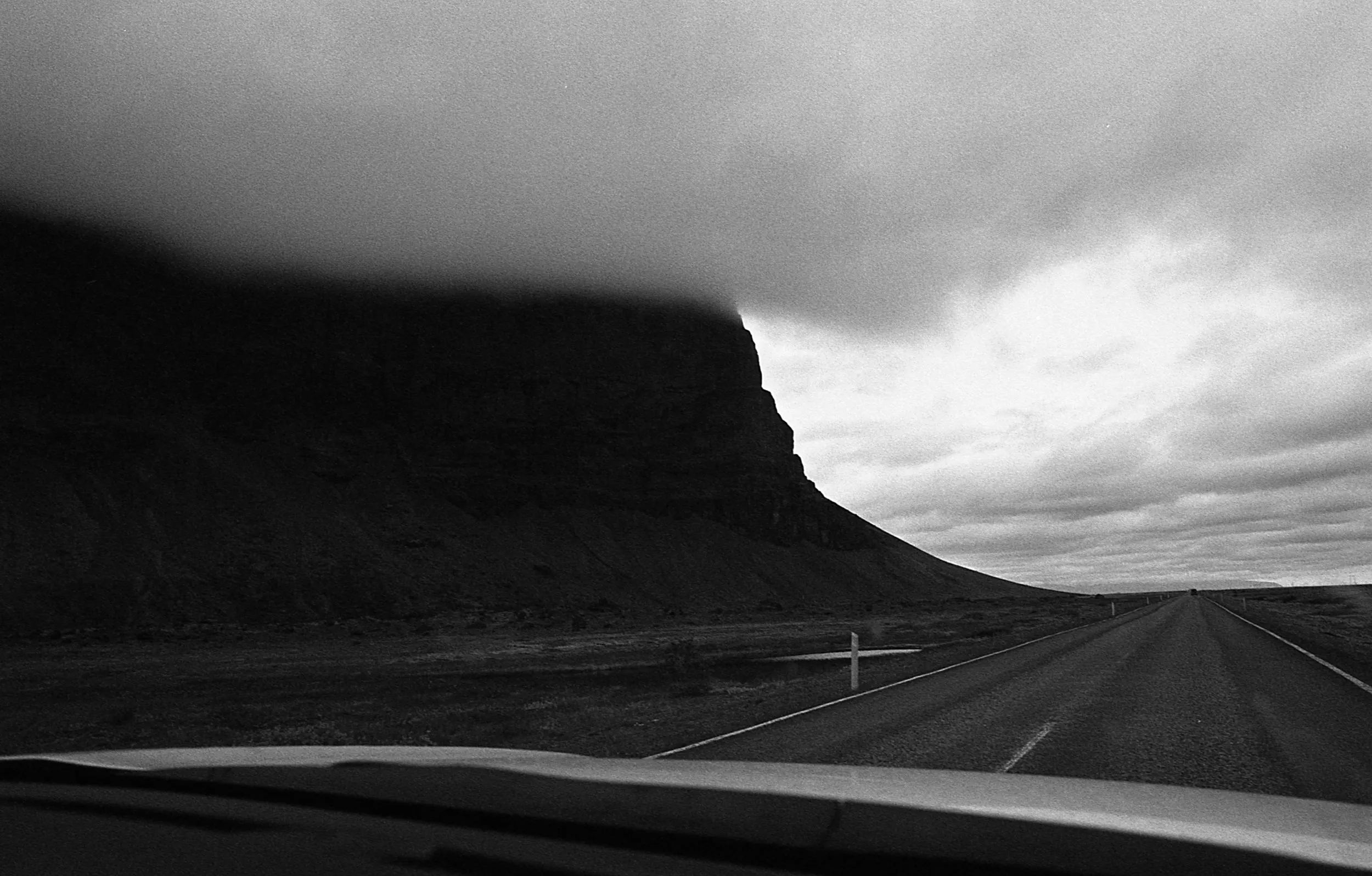
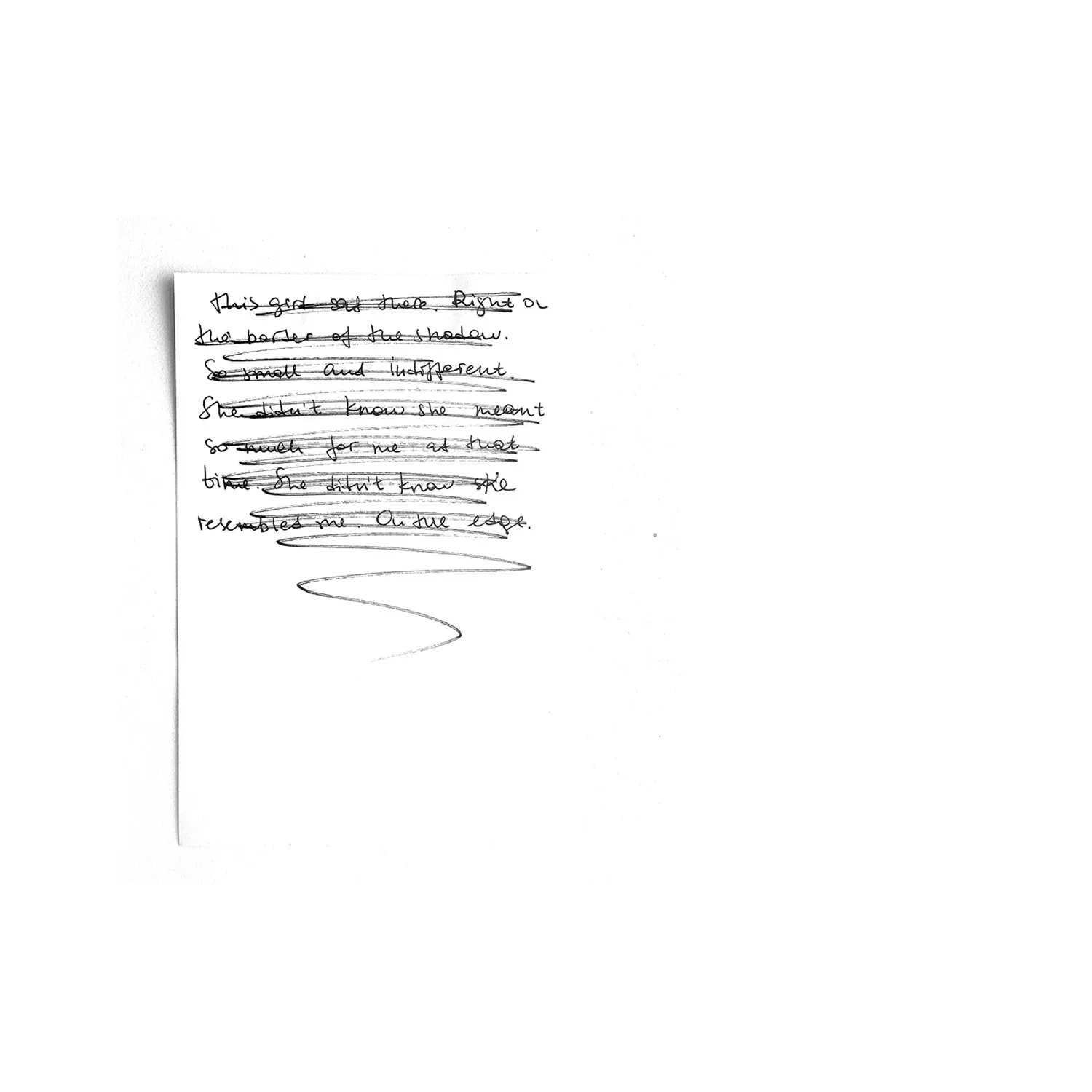
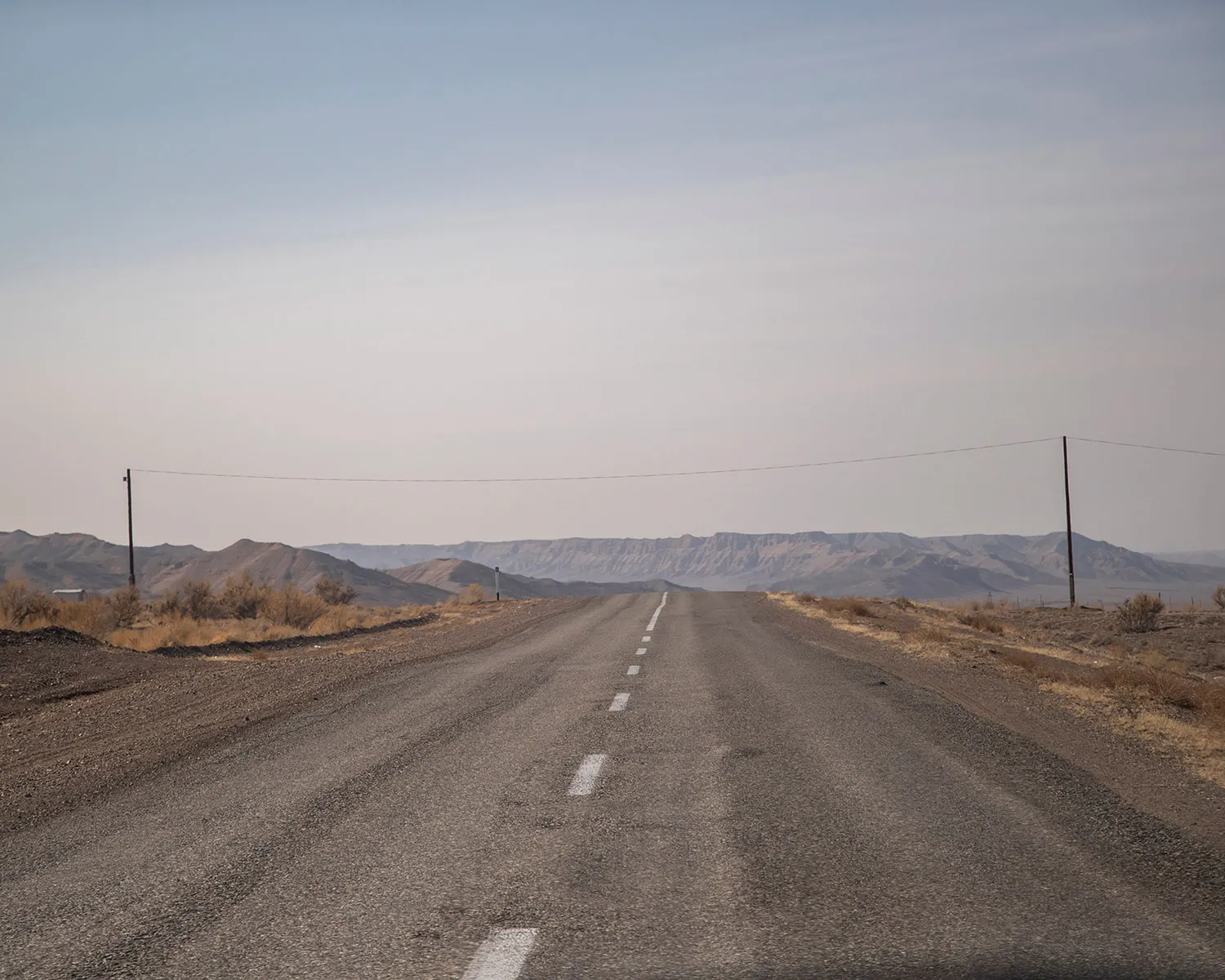
Villages, mountains, rivers and villages again.
I took random marshrutkas (mini-buses) and met strangers.
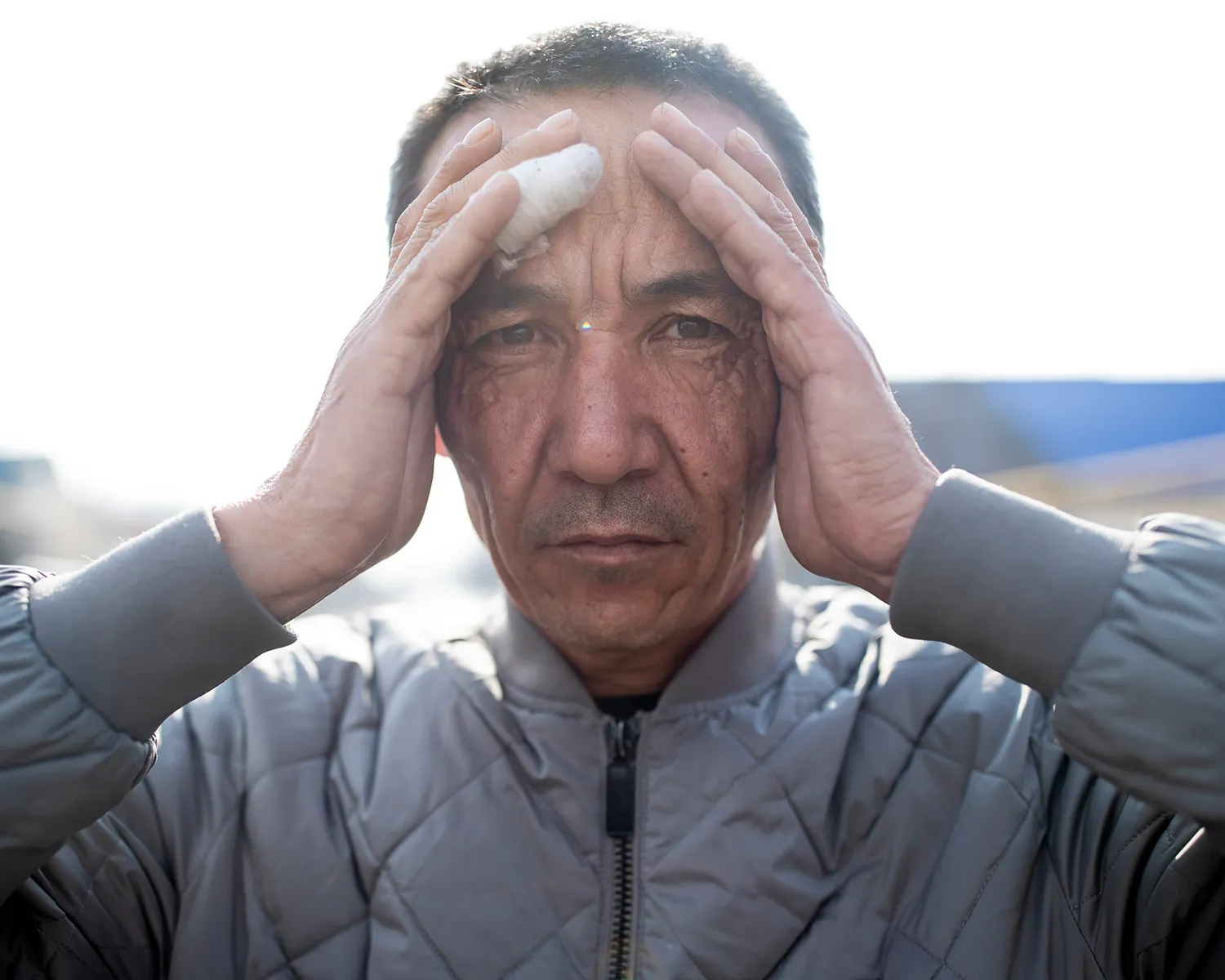
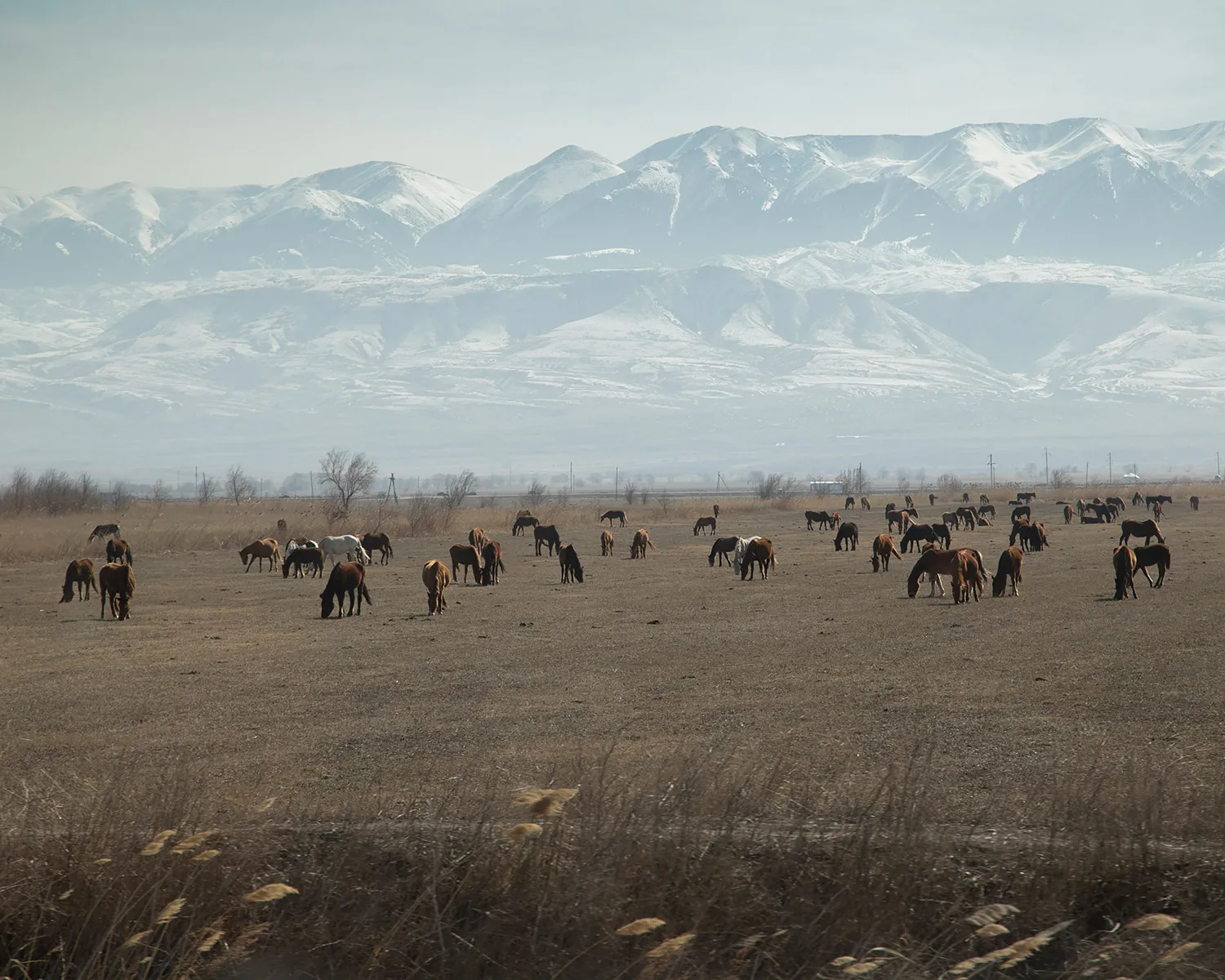
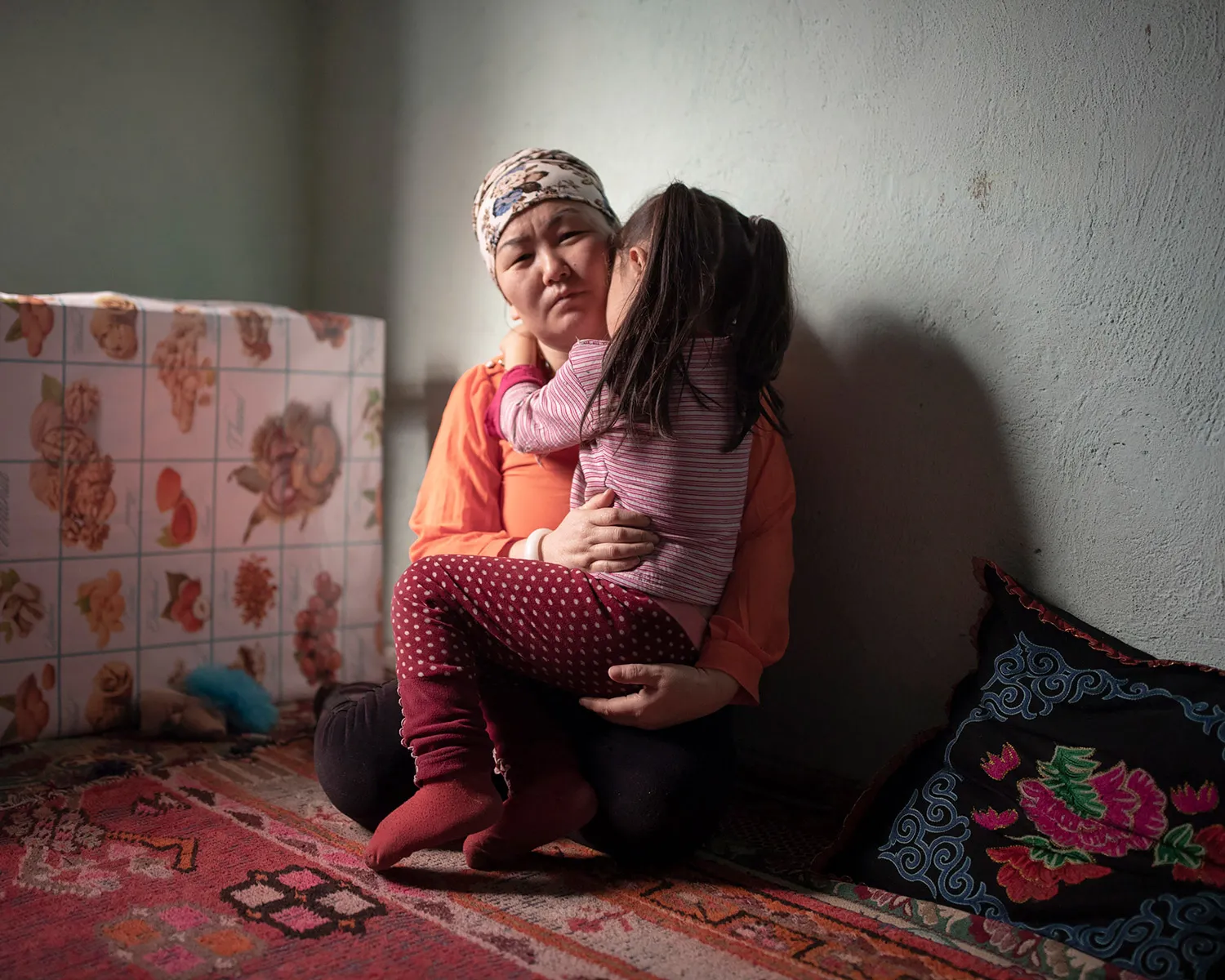
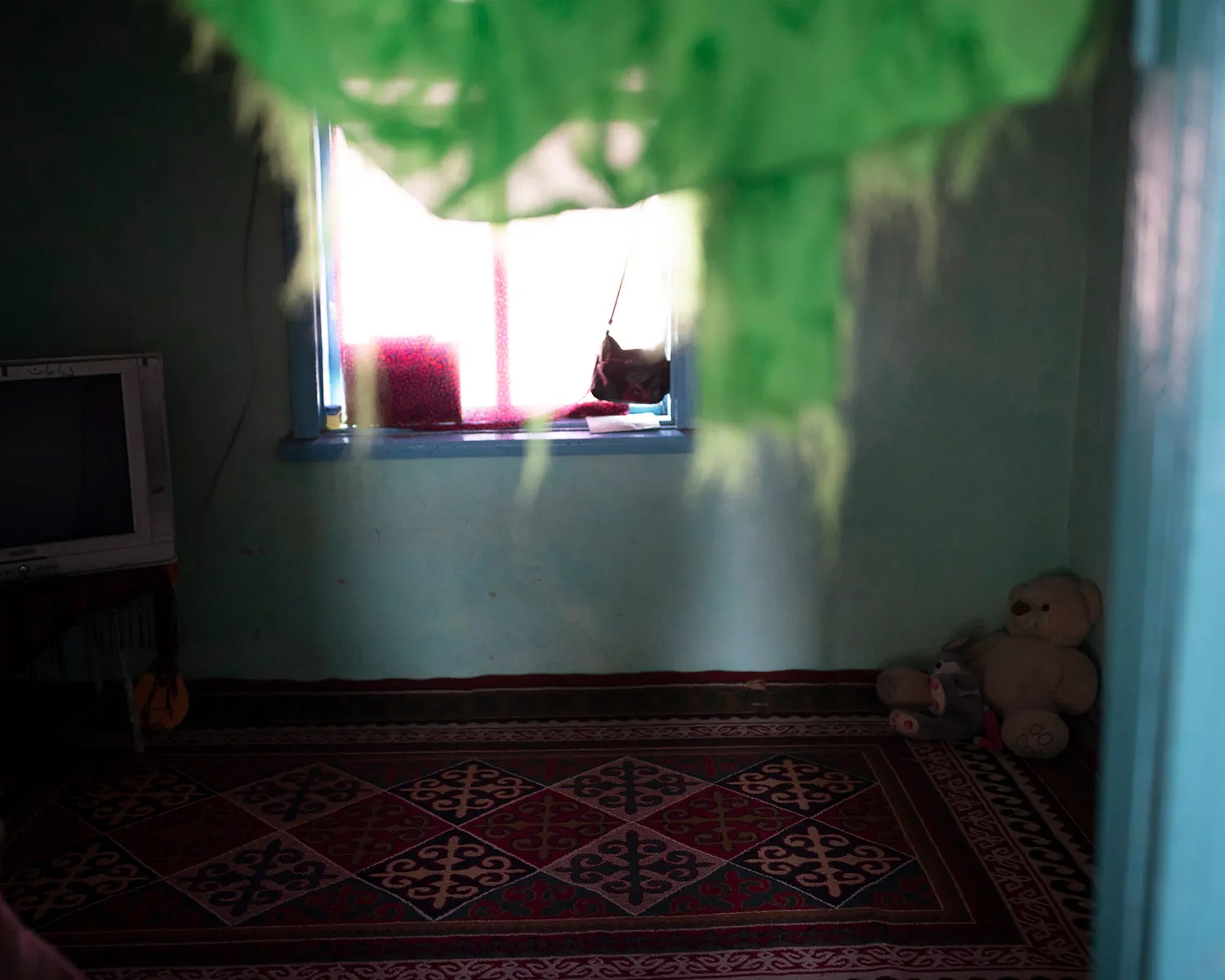
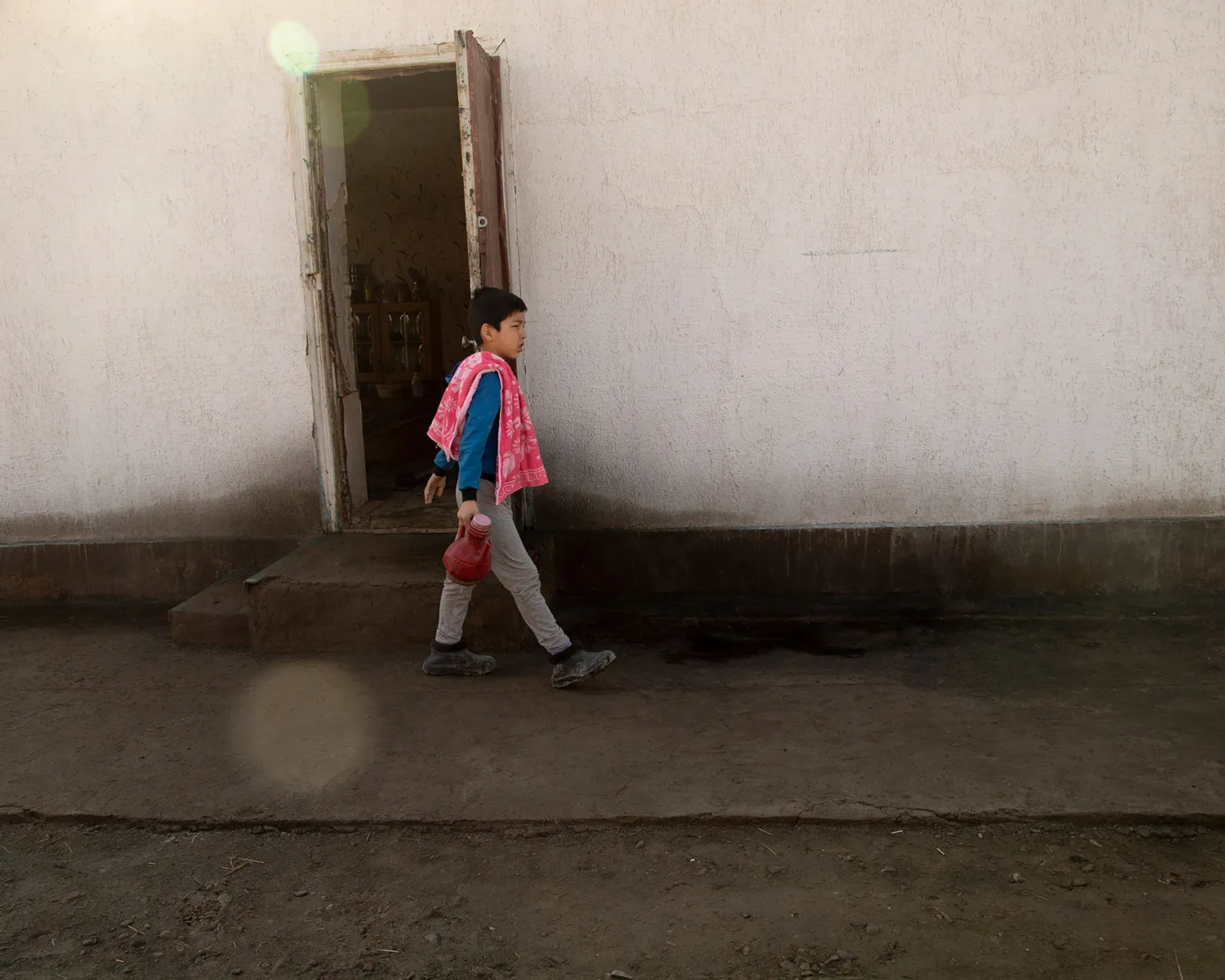
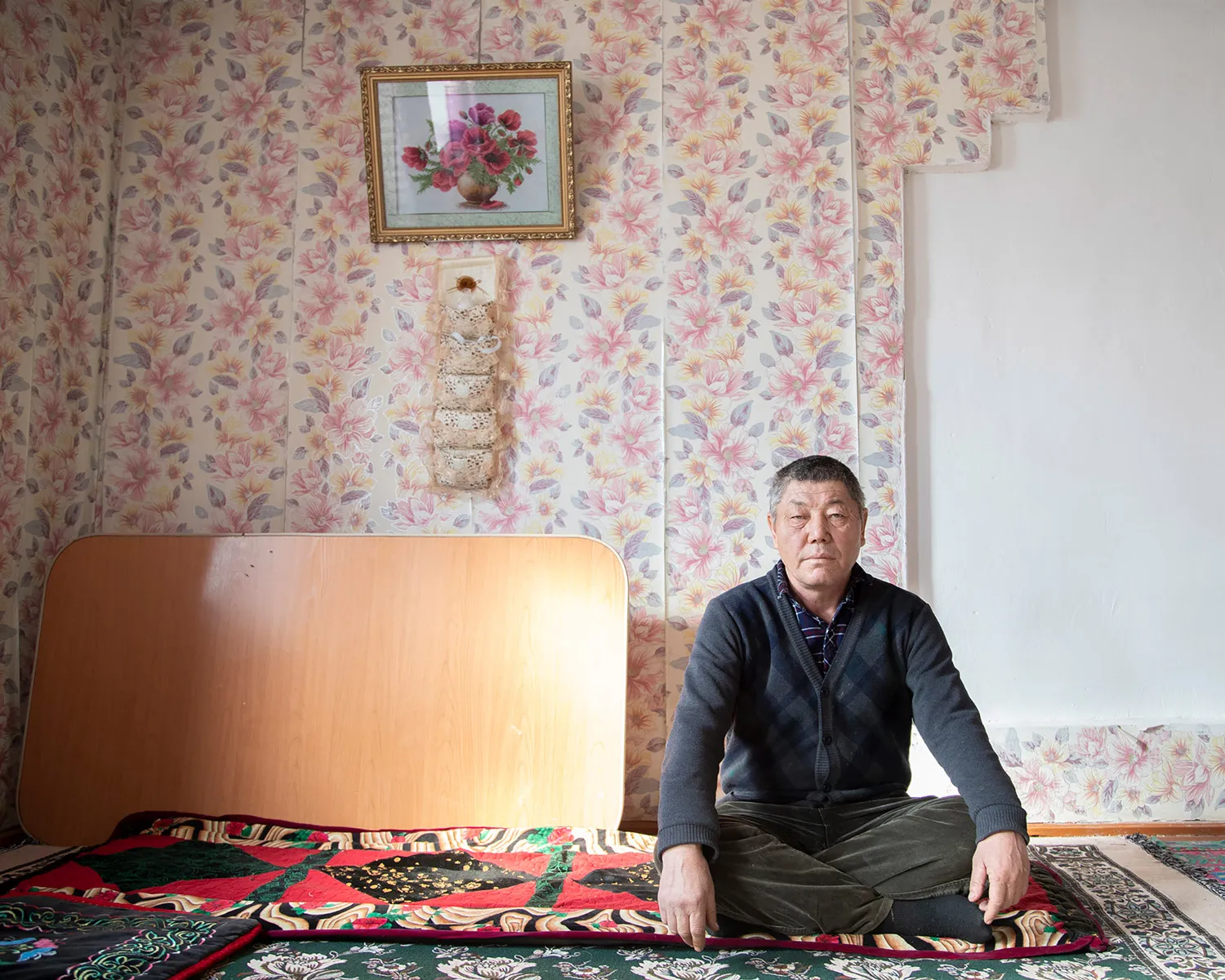
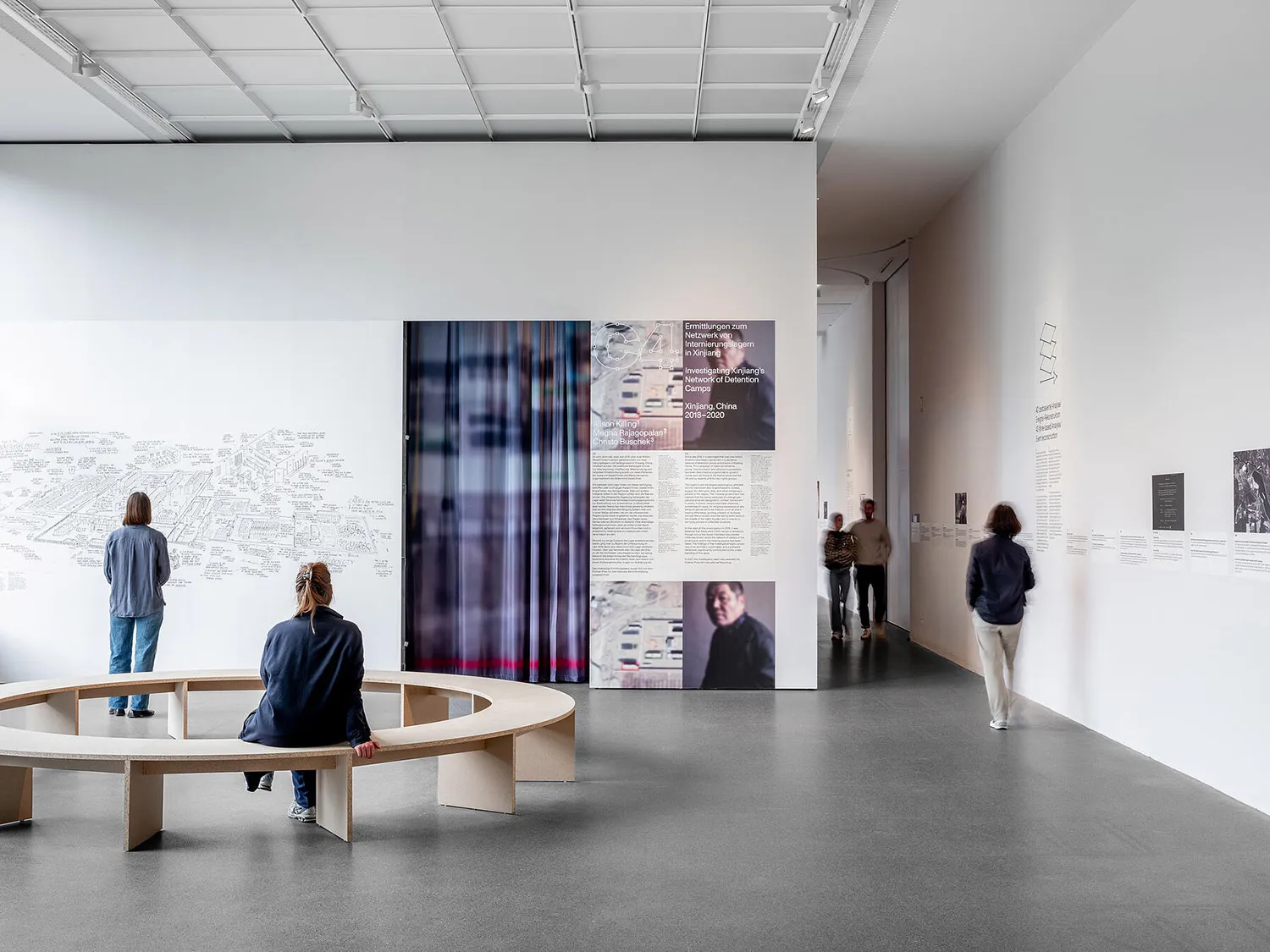
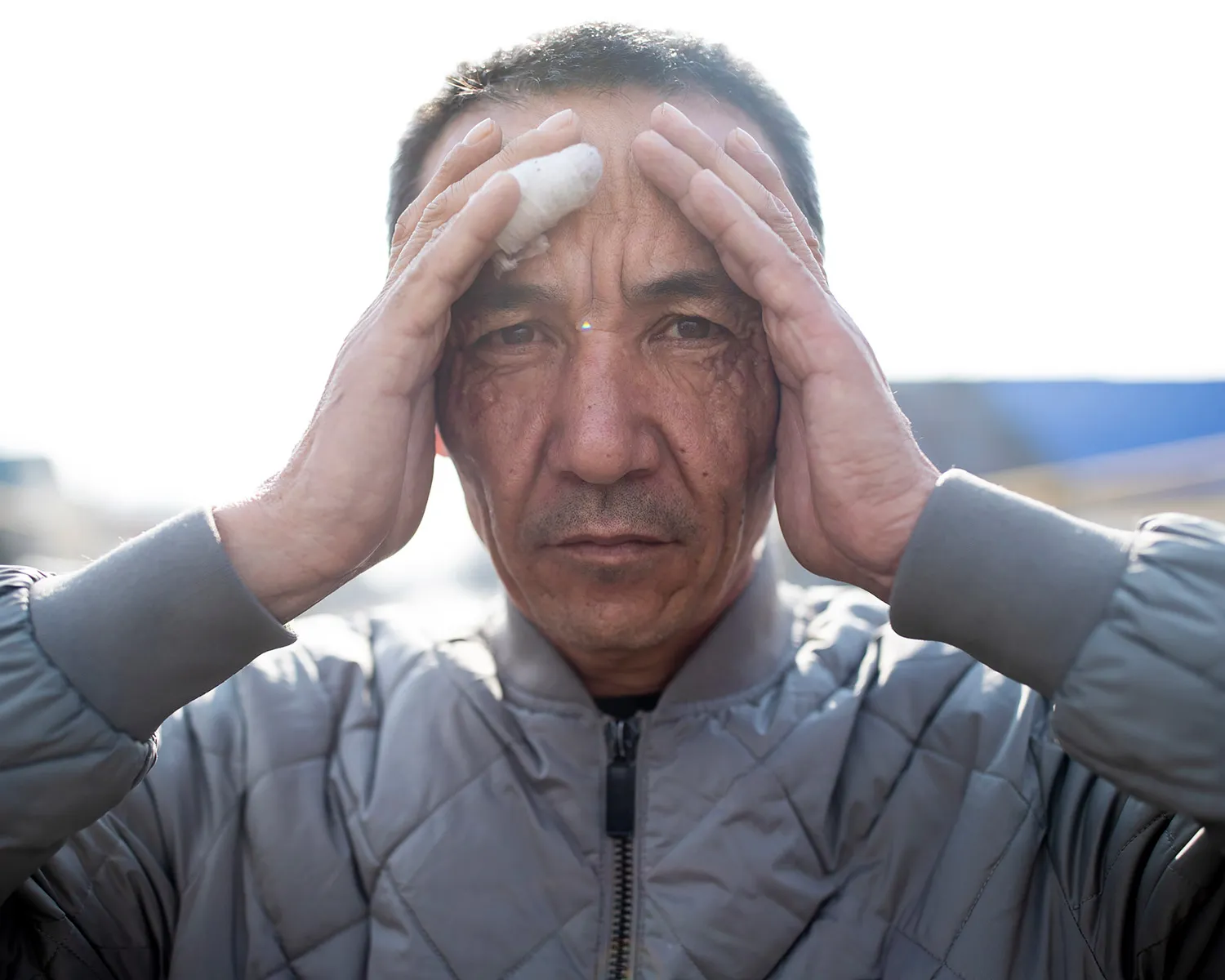
Portraits of Gulzira, Nurlan, Baqytali and their families—ones of the many who were detained in internment camps in Xinjiang, China and agreed to tell their stories.
Part of an investigation by Buzzfeed News and Allison Killing Architects using satellite images to identify the infrastructure of detention centres otherwise inaccessible.
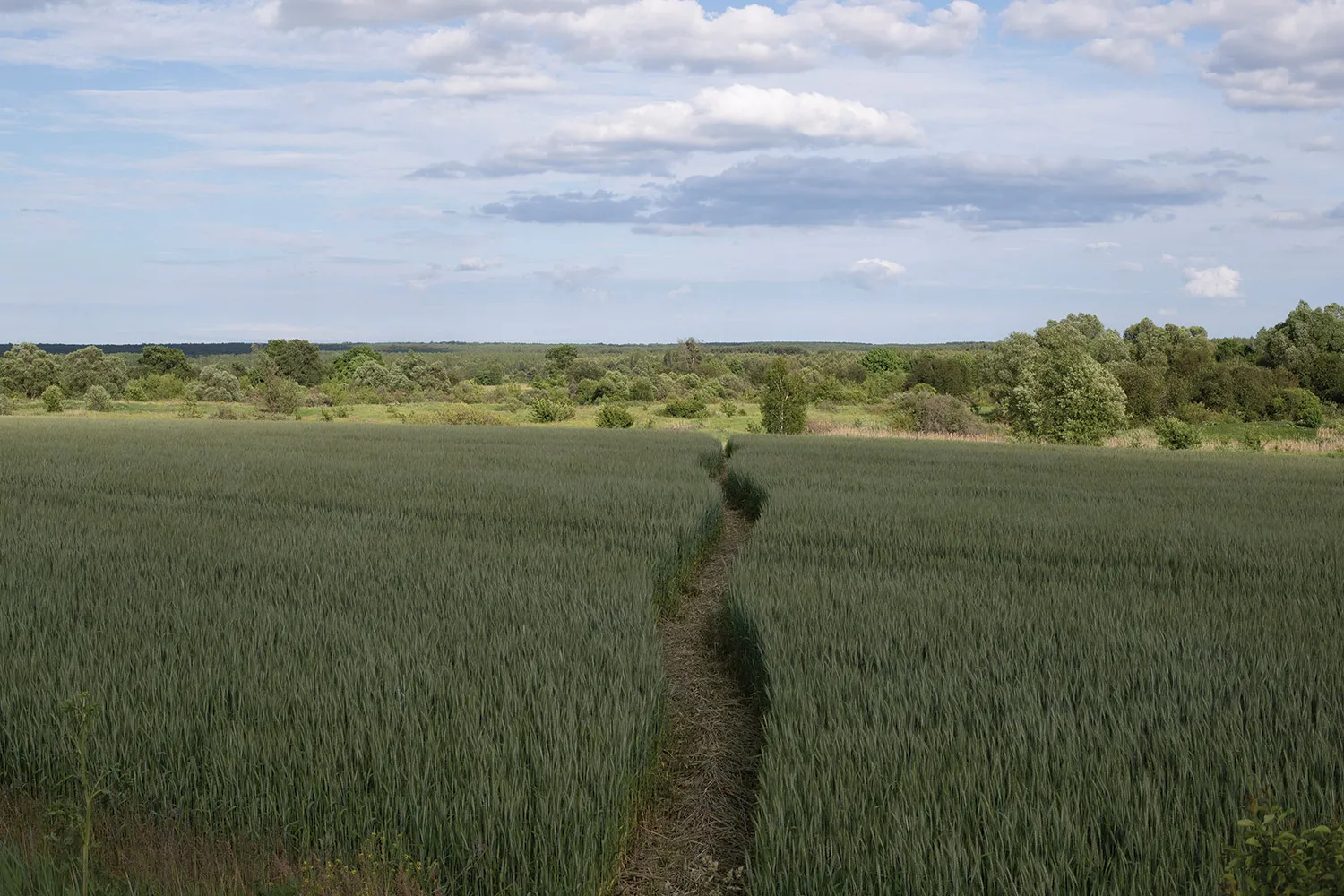
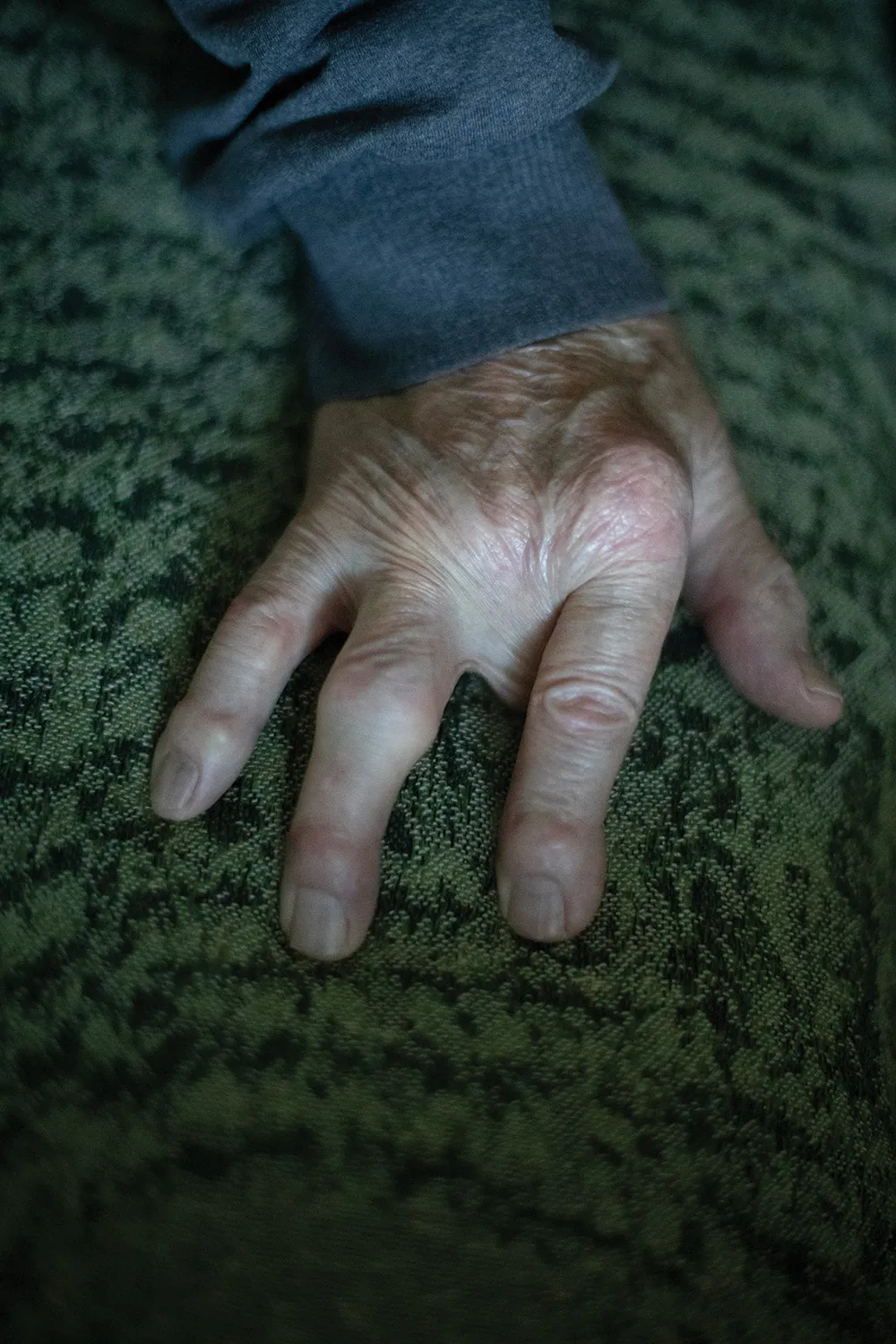
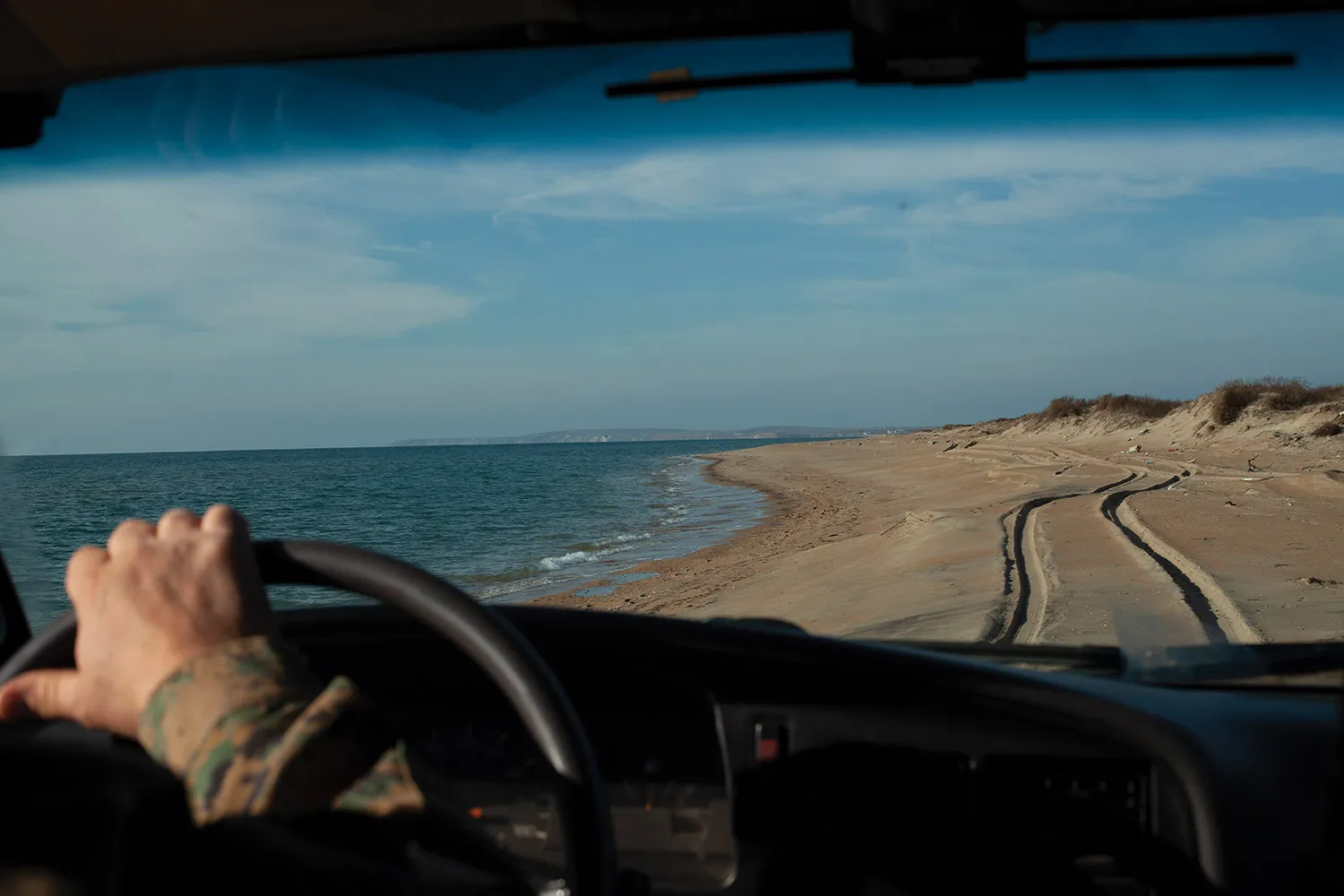
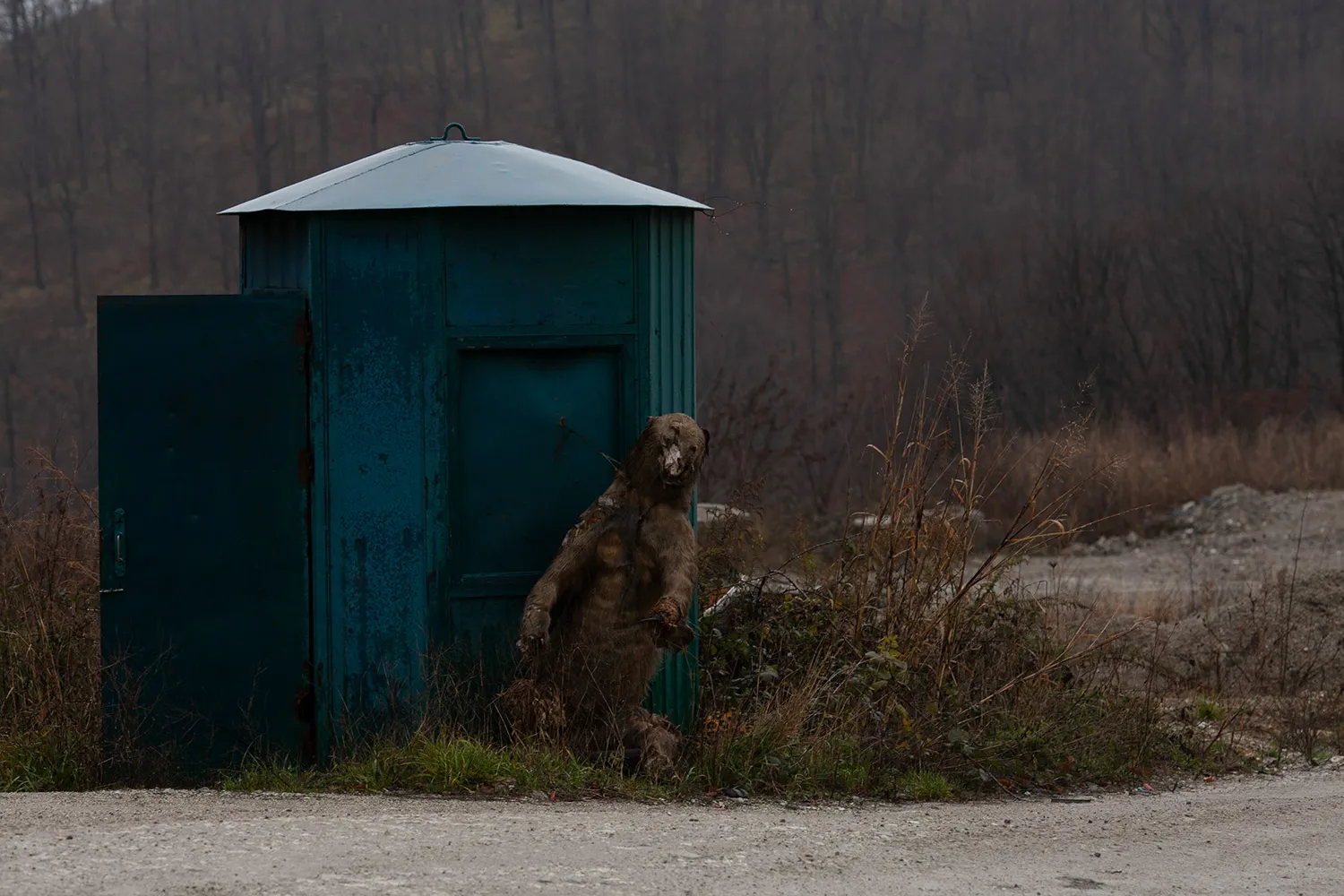
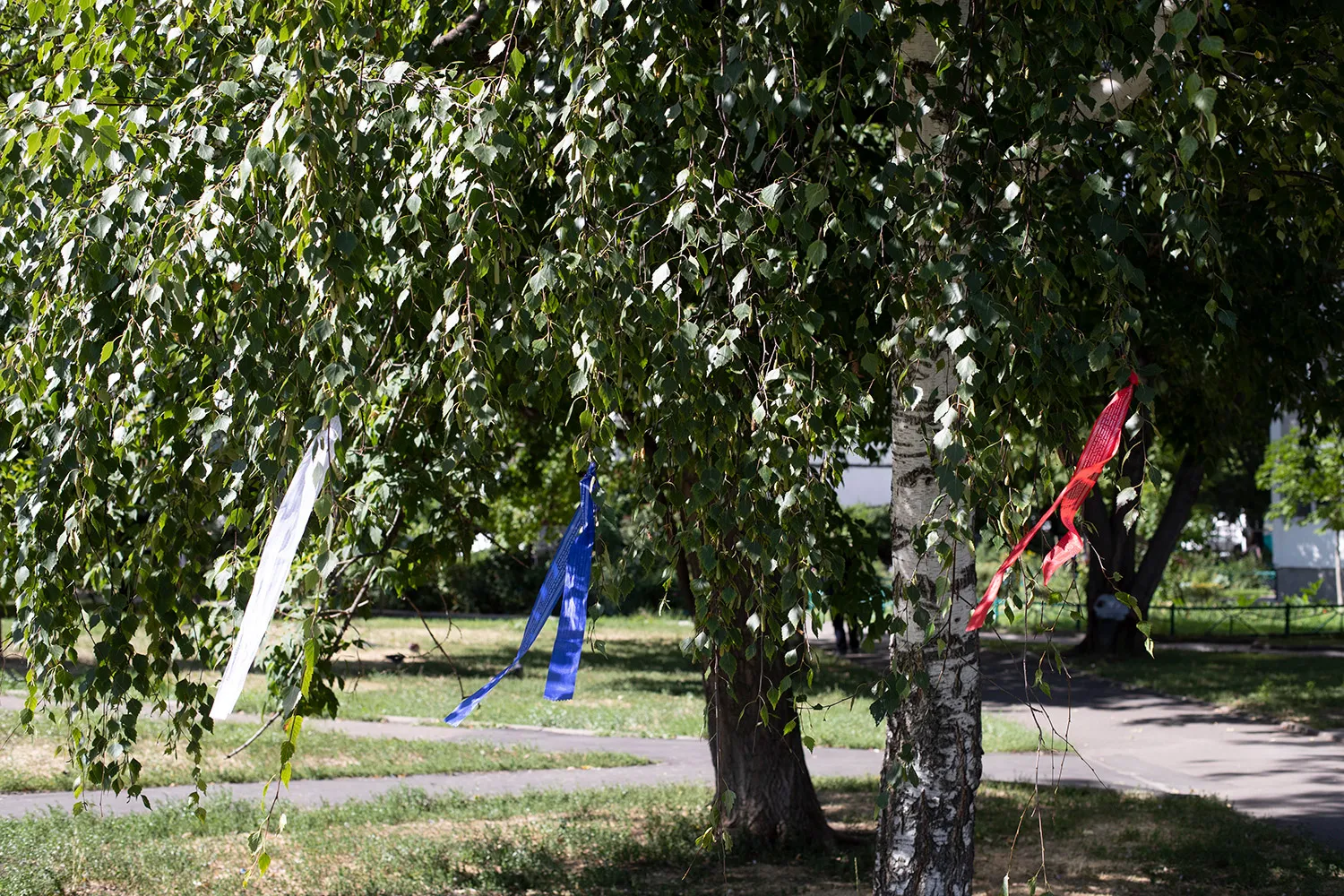
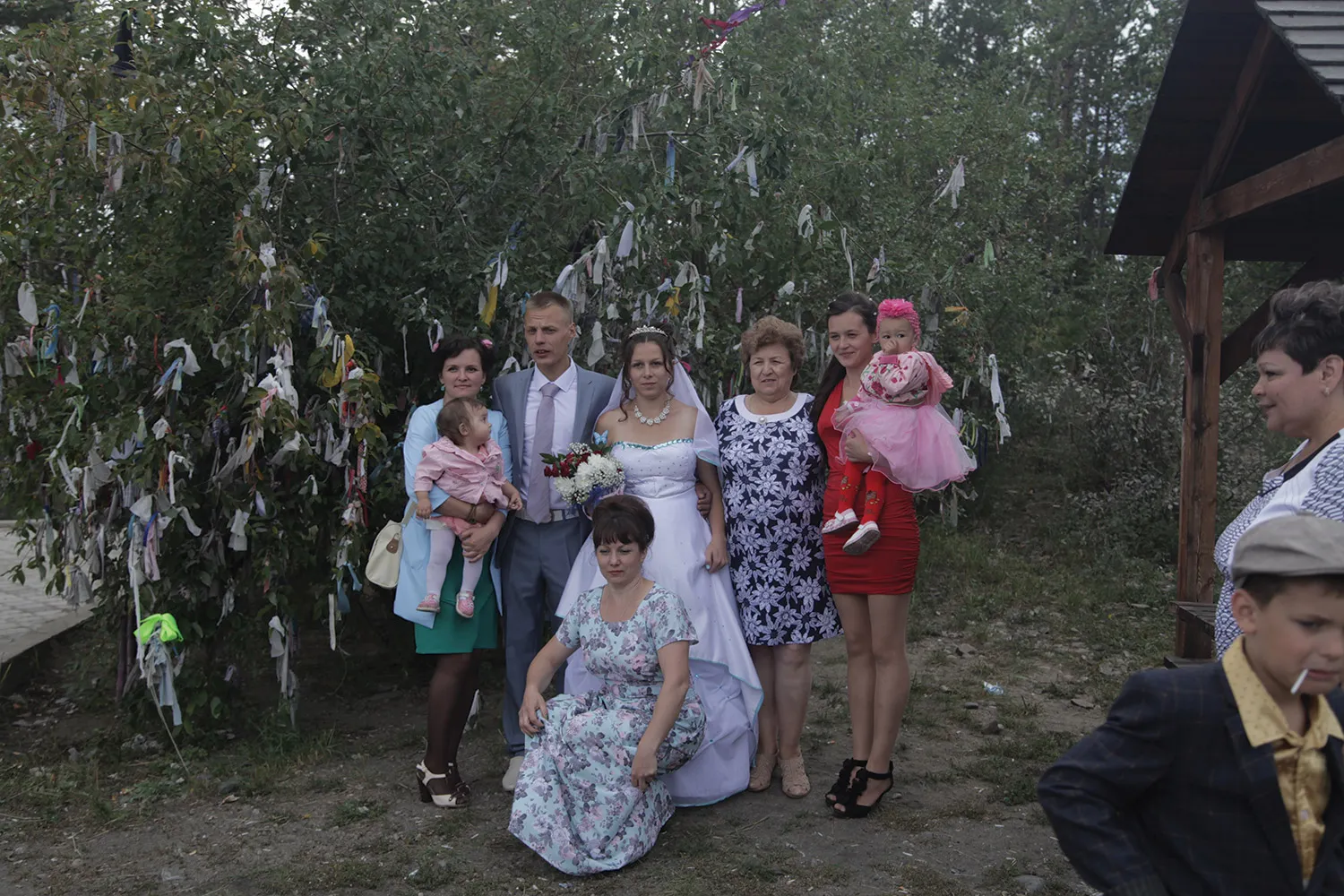
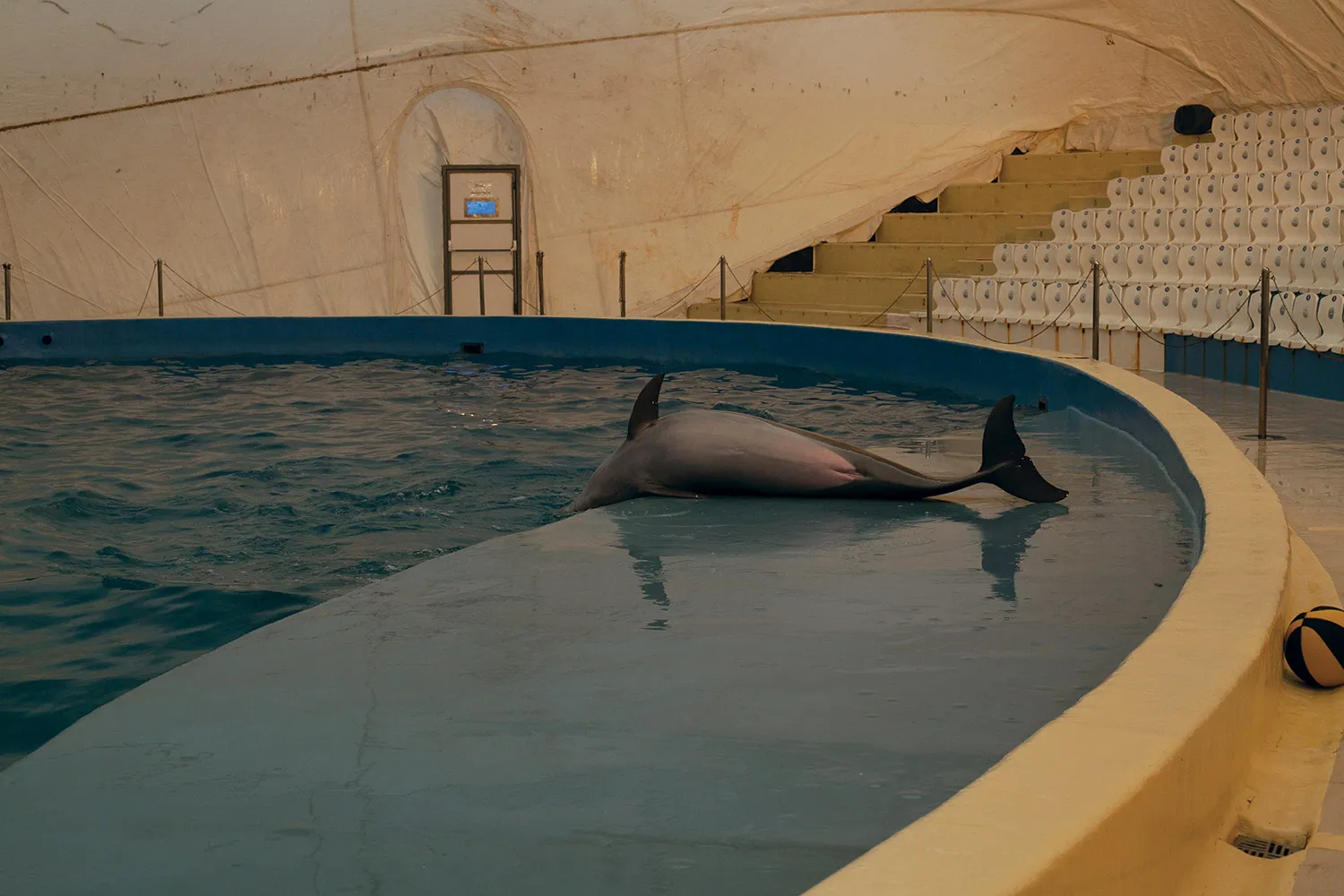
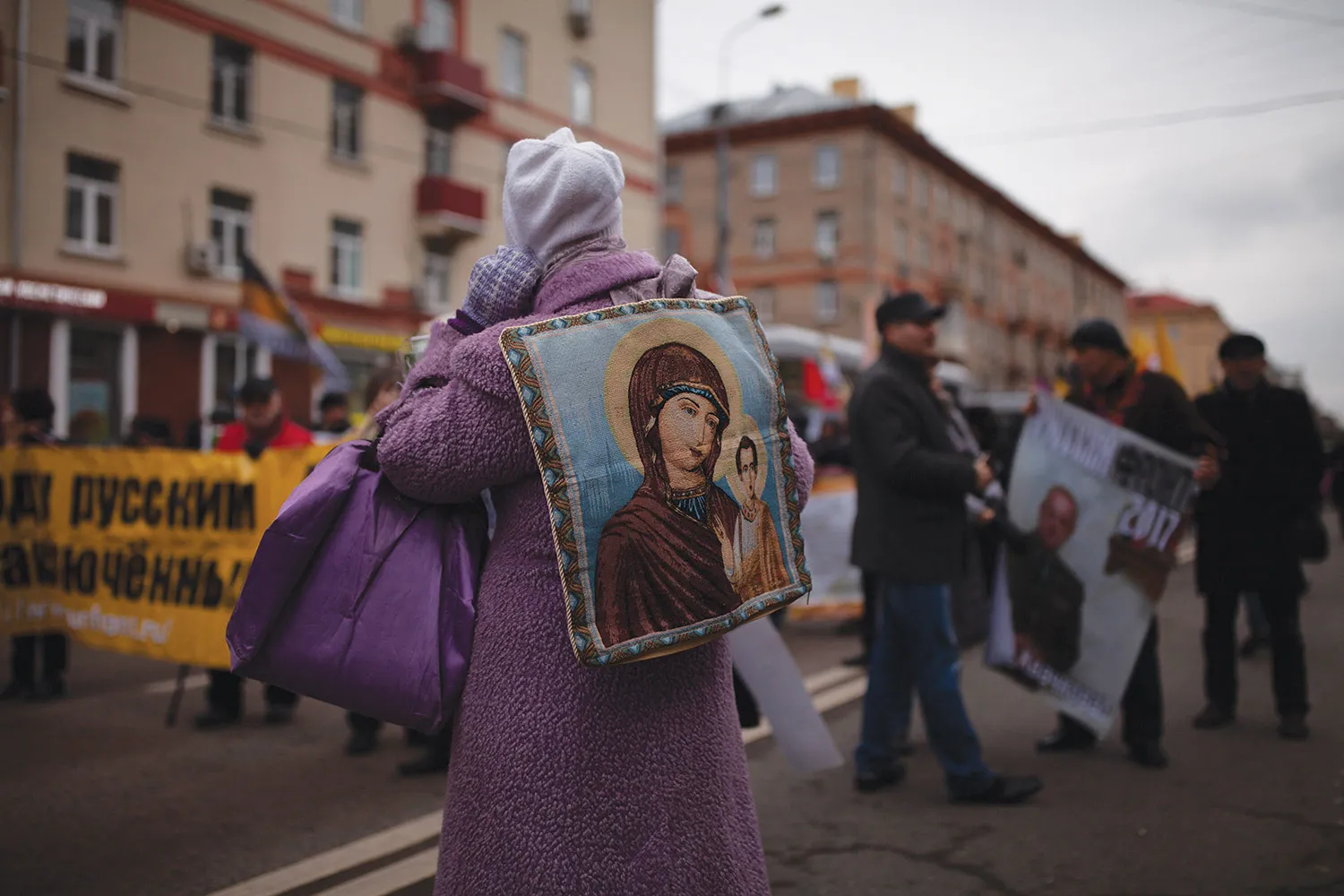
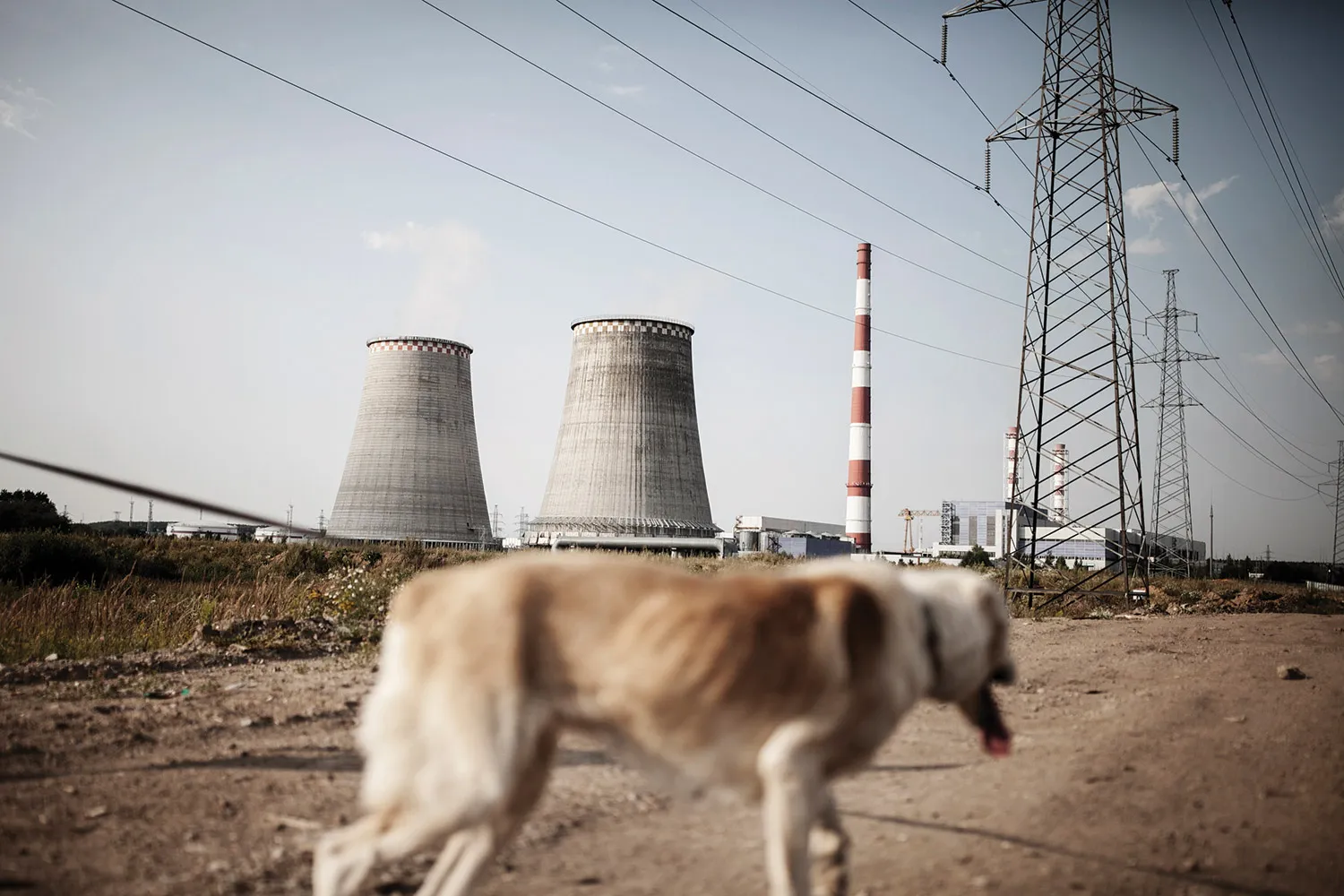
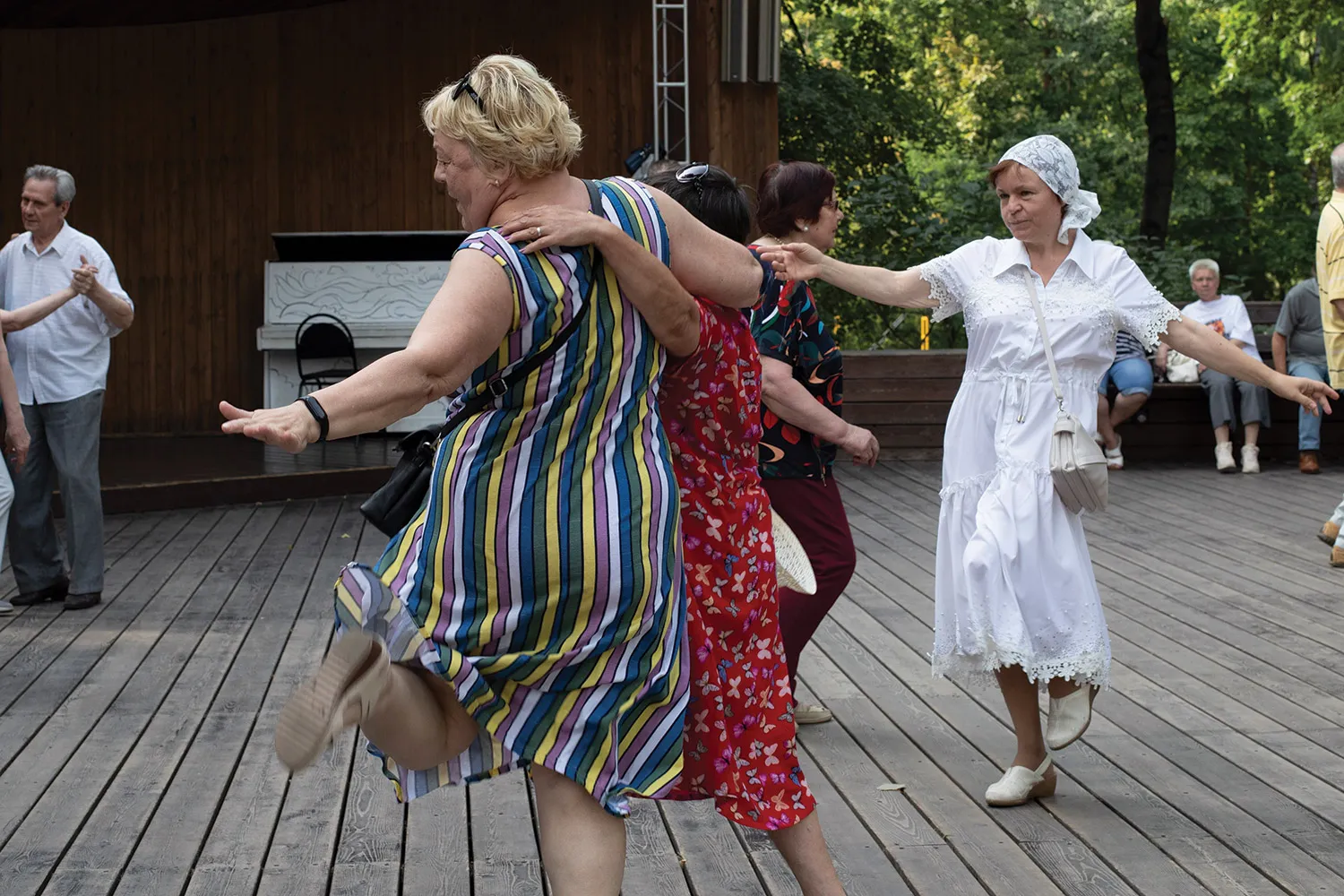
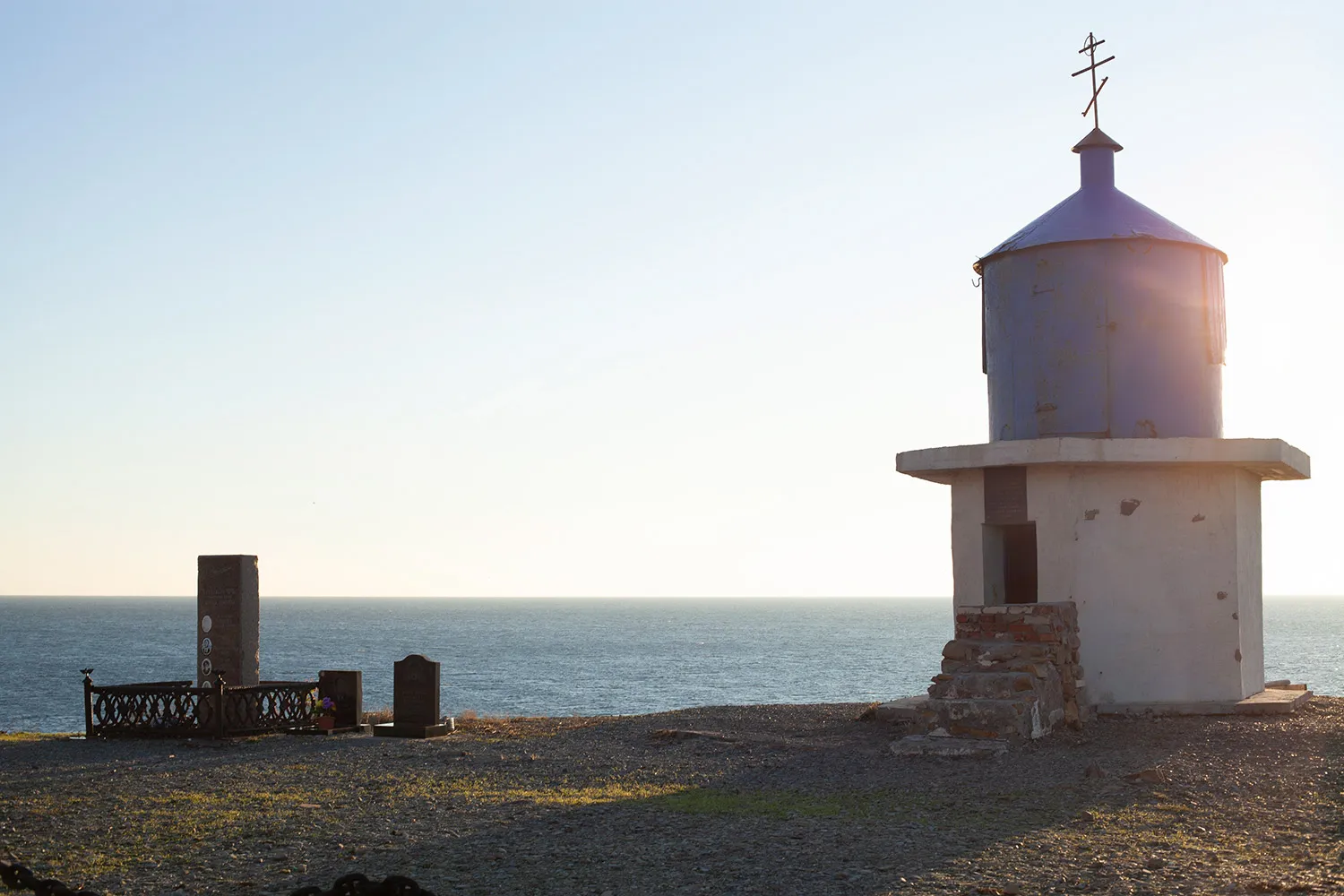
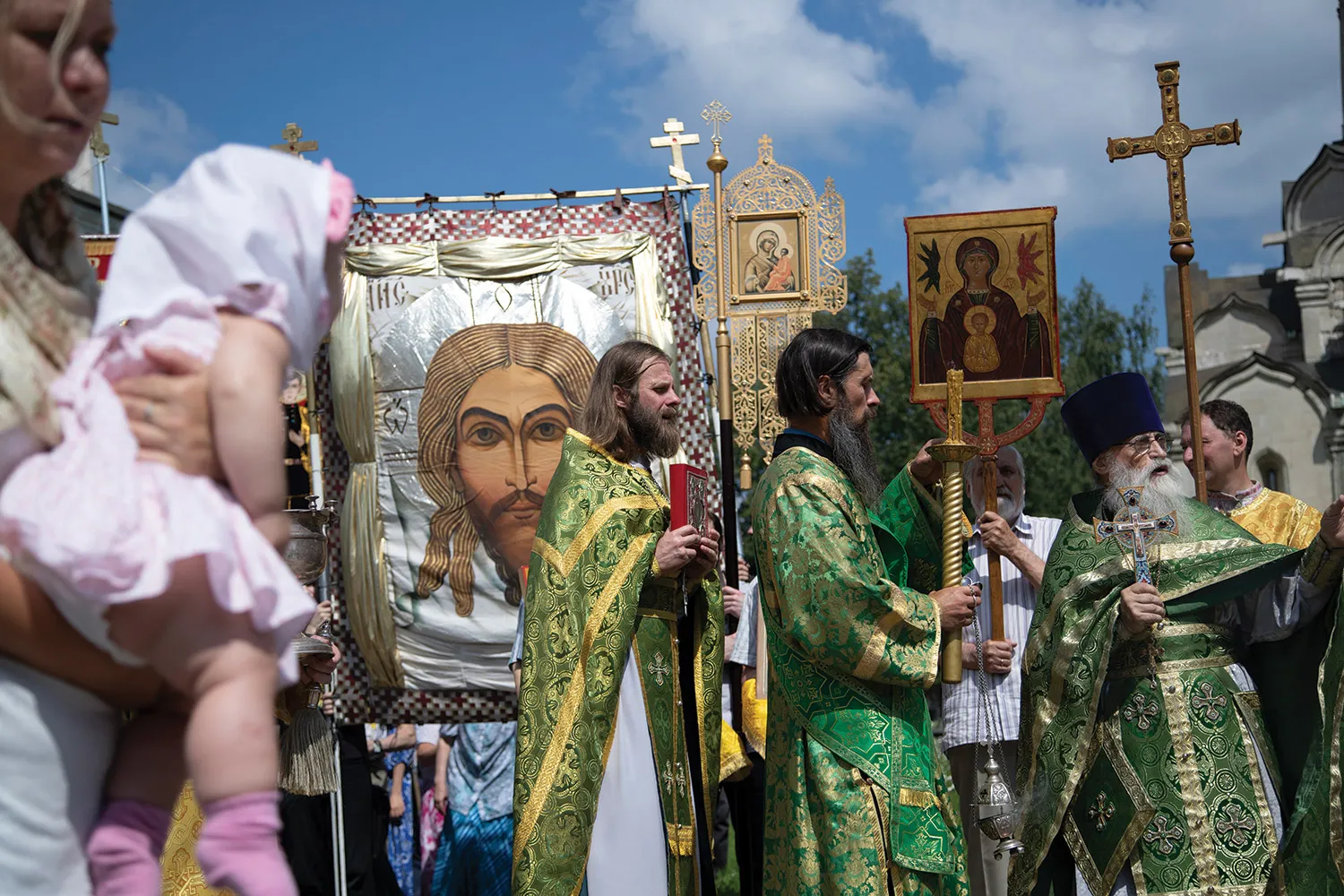
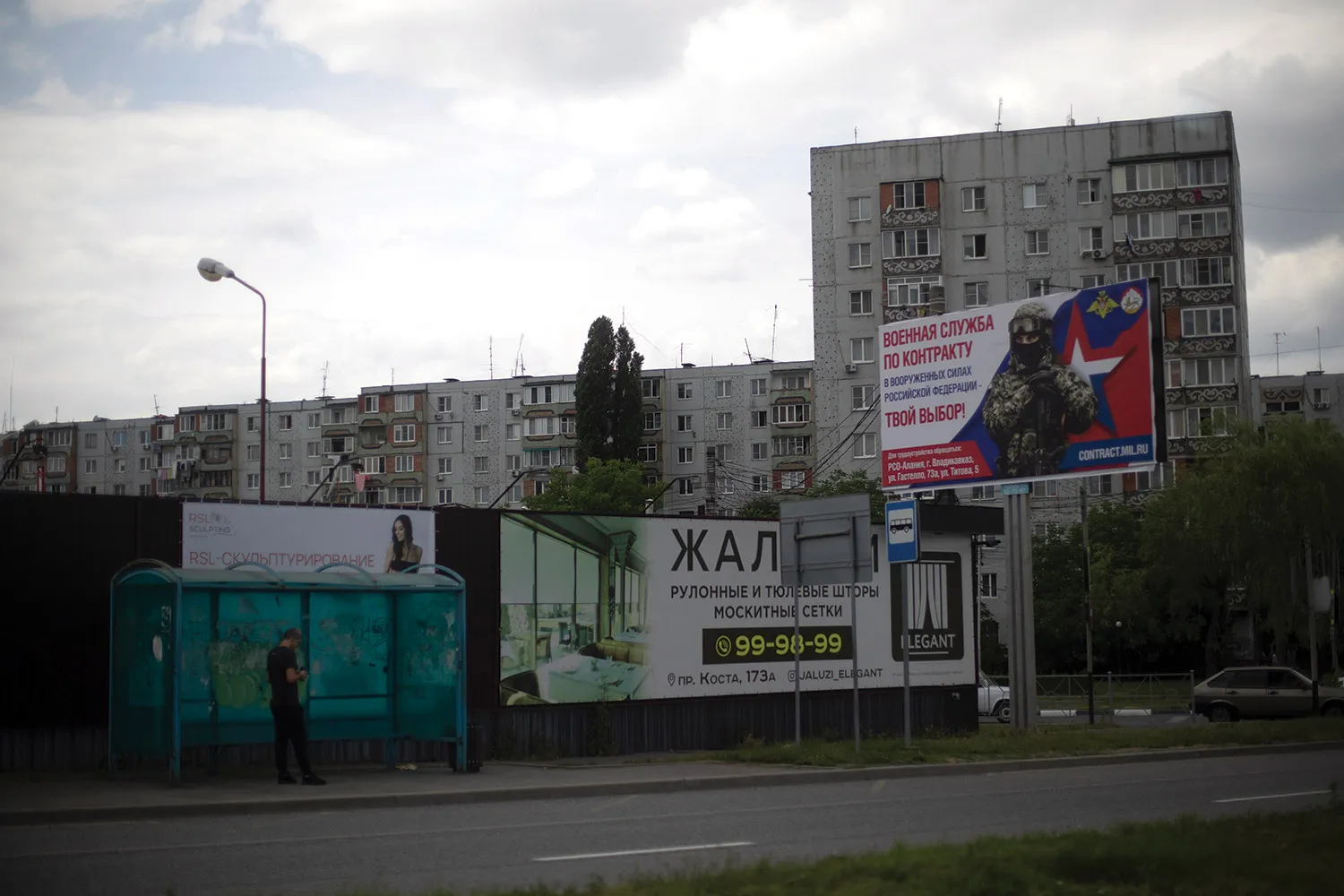
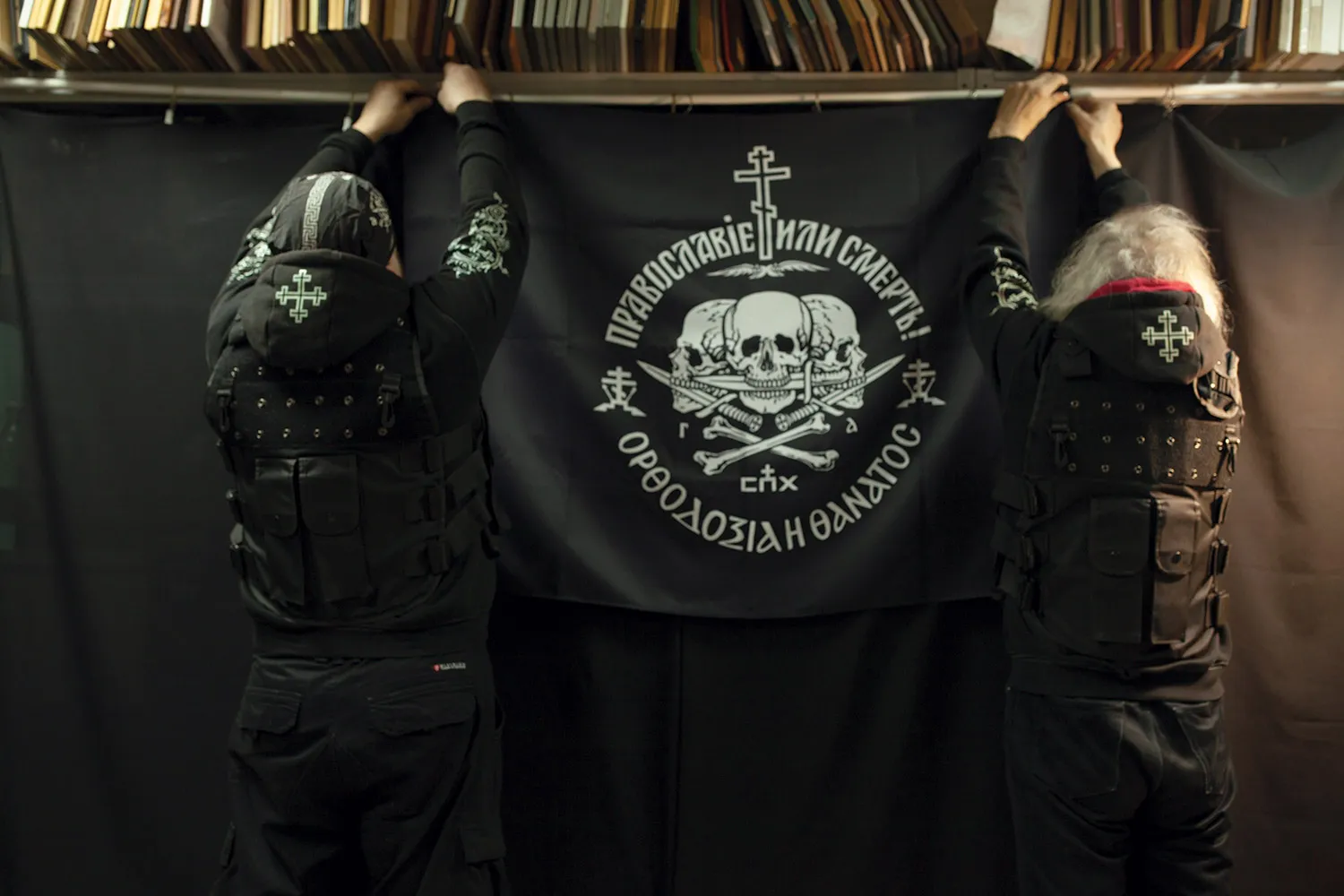
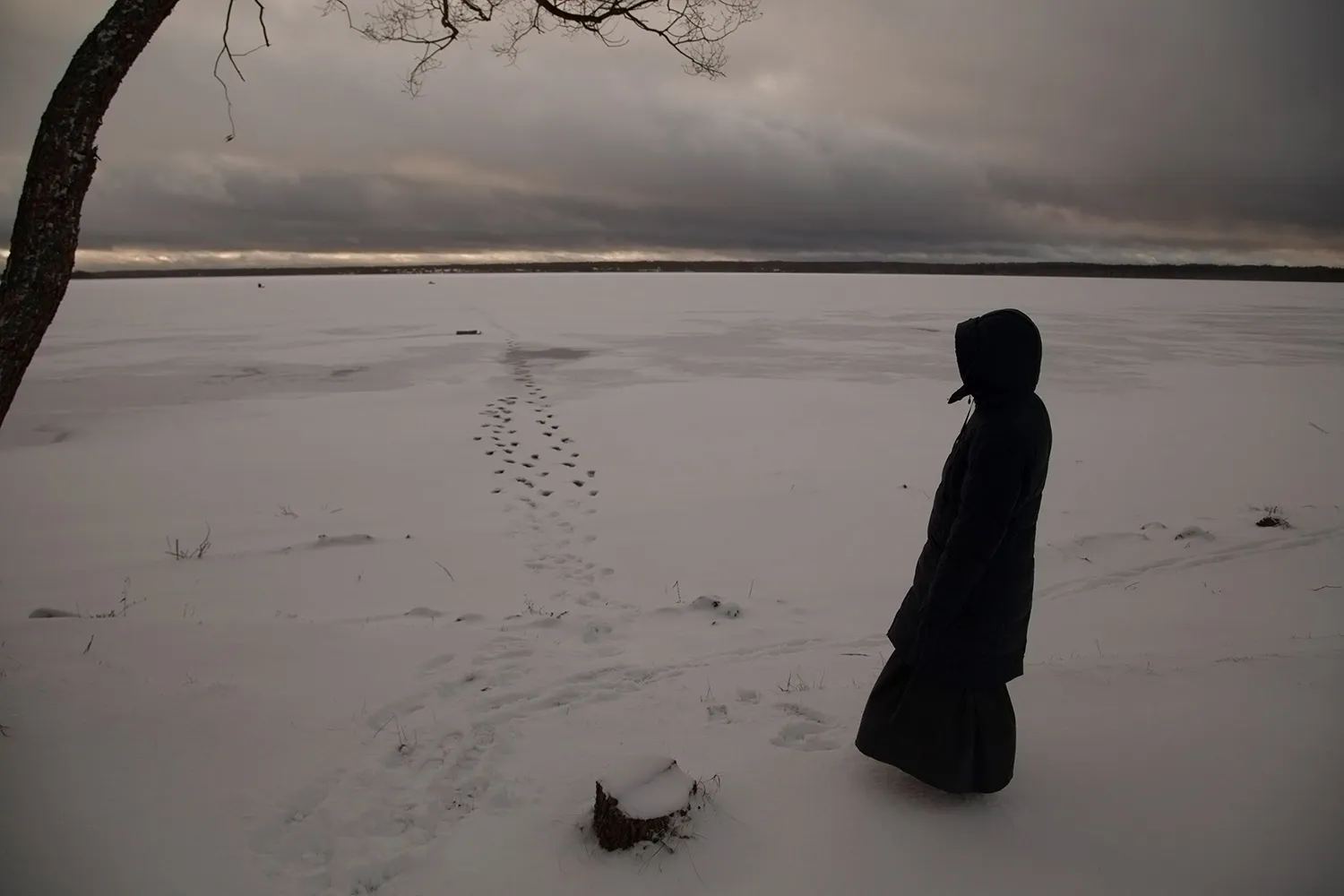
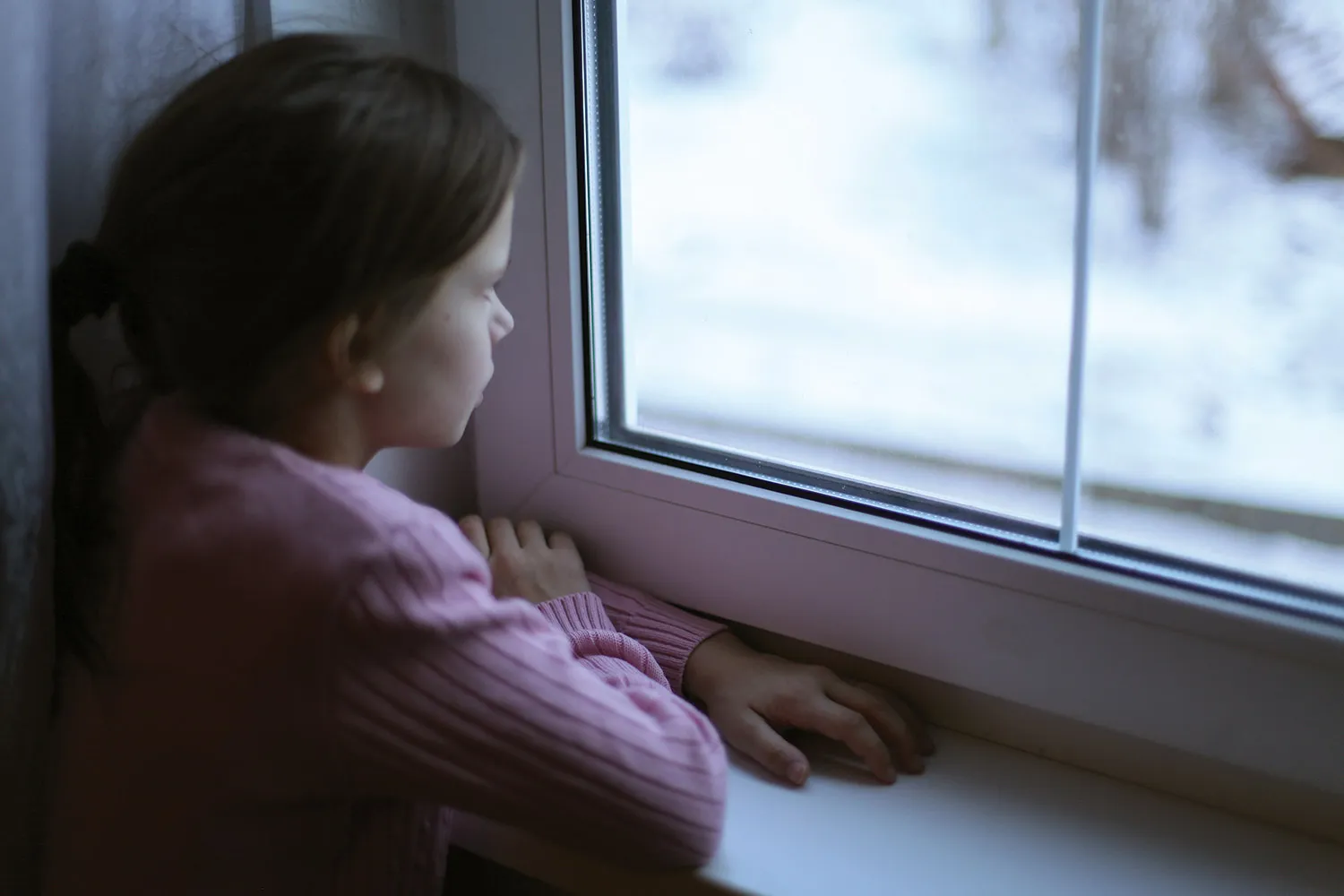
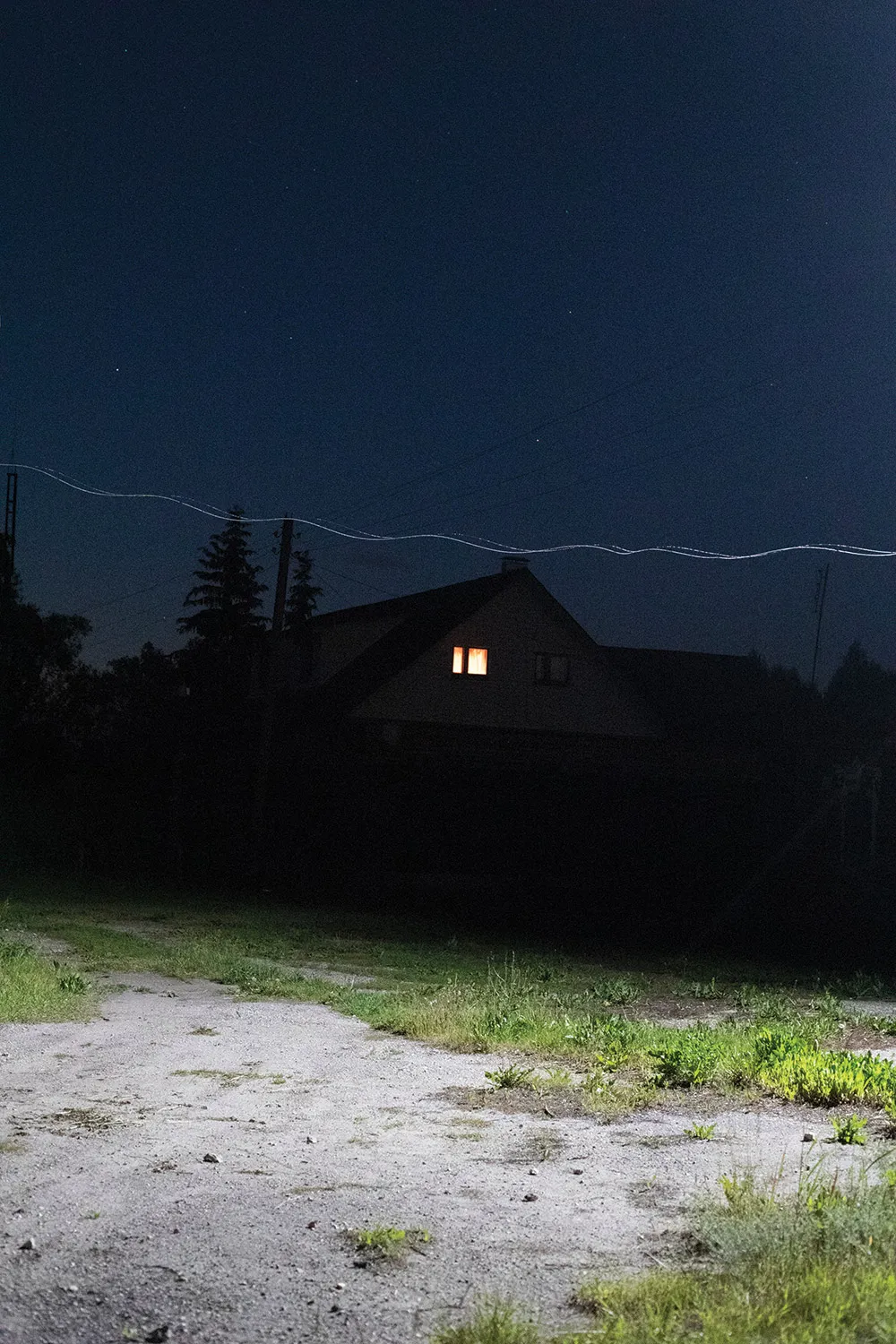
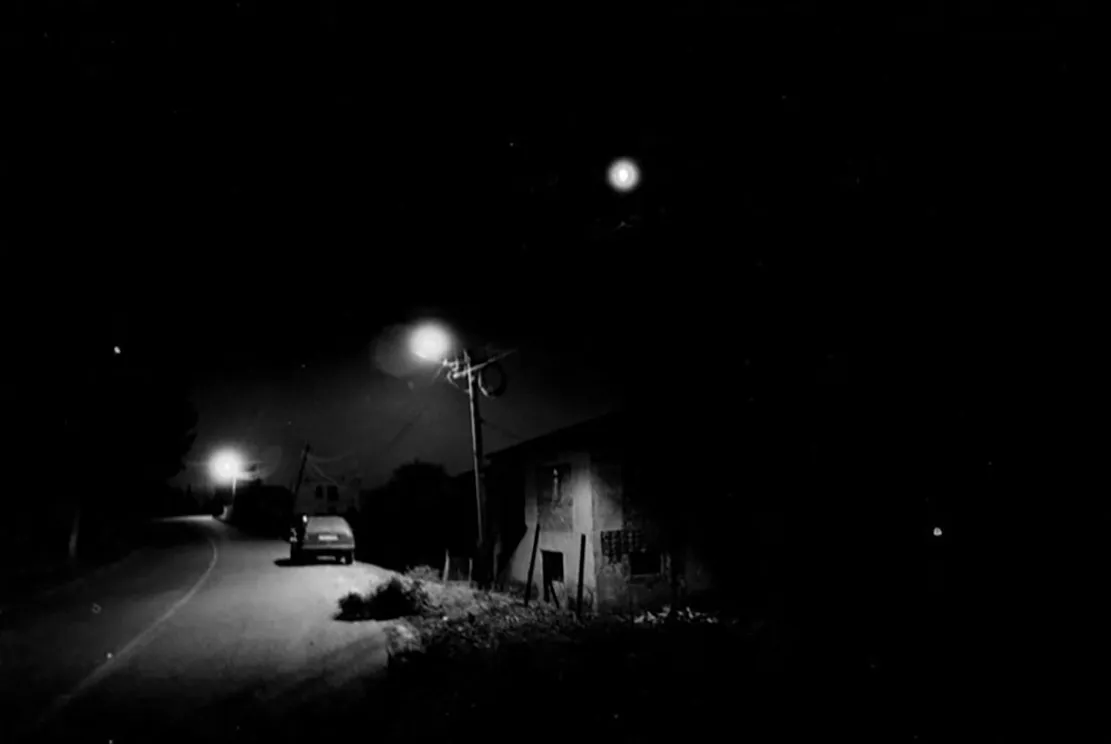
Where home once stood, they now recruit for war. Where childhood once remained, people report one another.
Every time, we ask how this could happen. Among those most dear, something alien and horrifying has arisen. It pervades everything, monotonous and subtle.
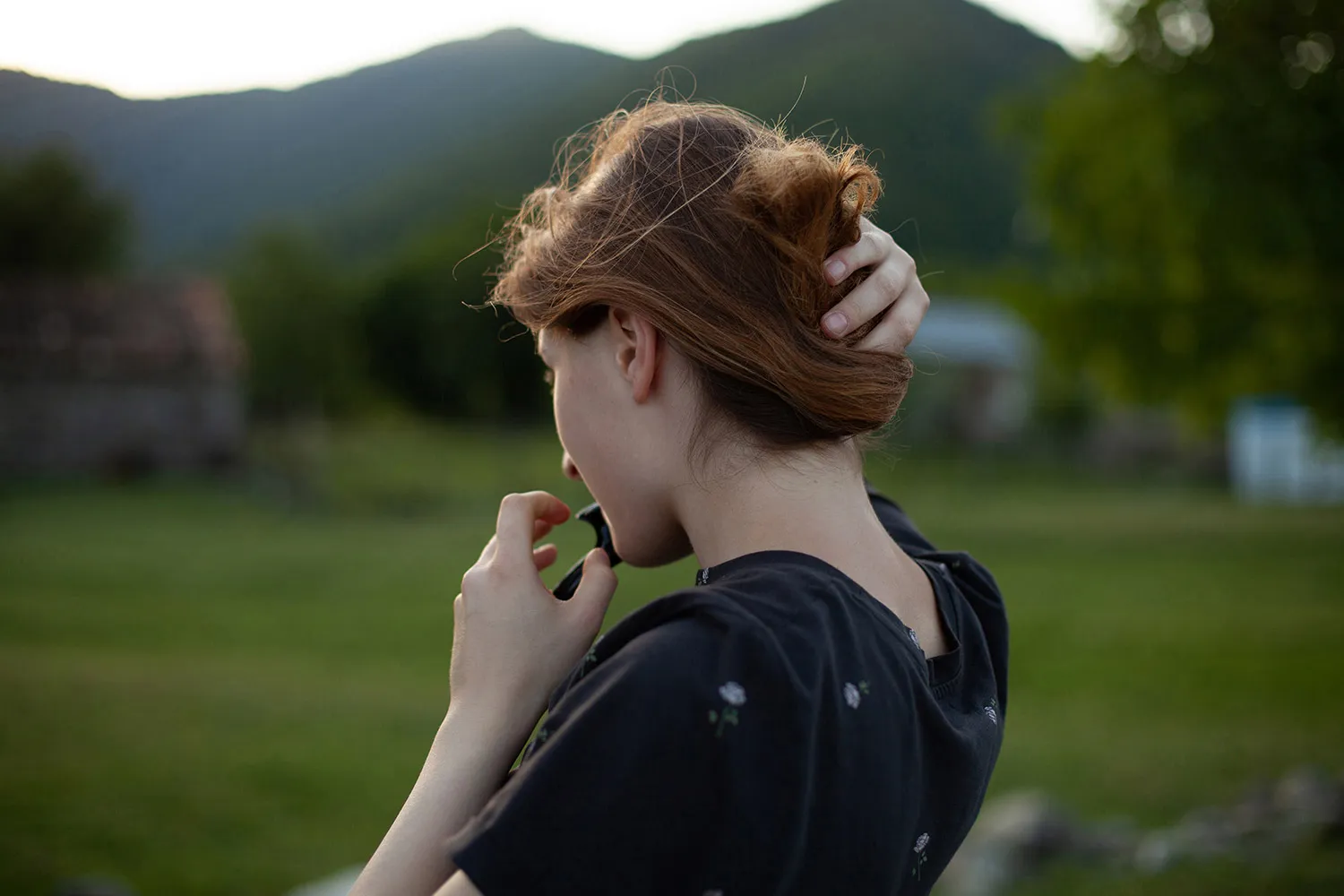
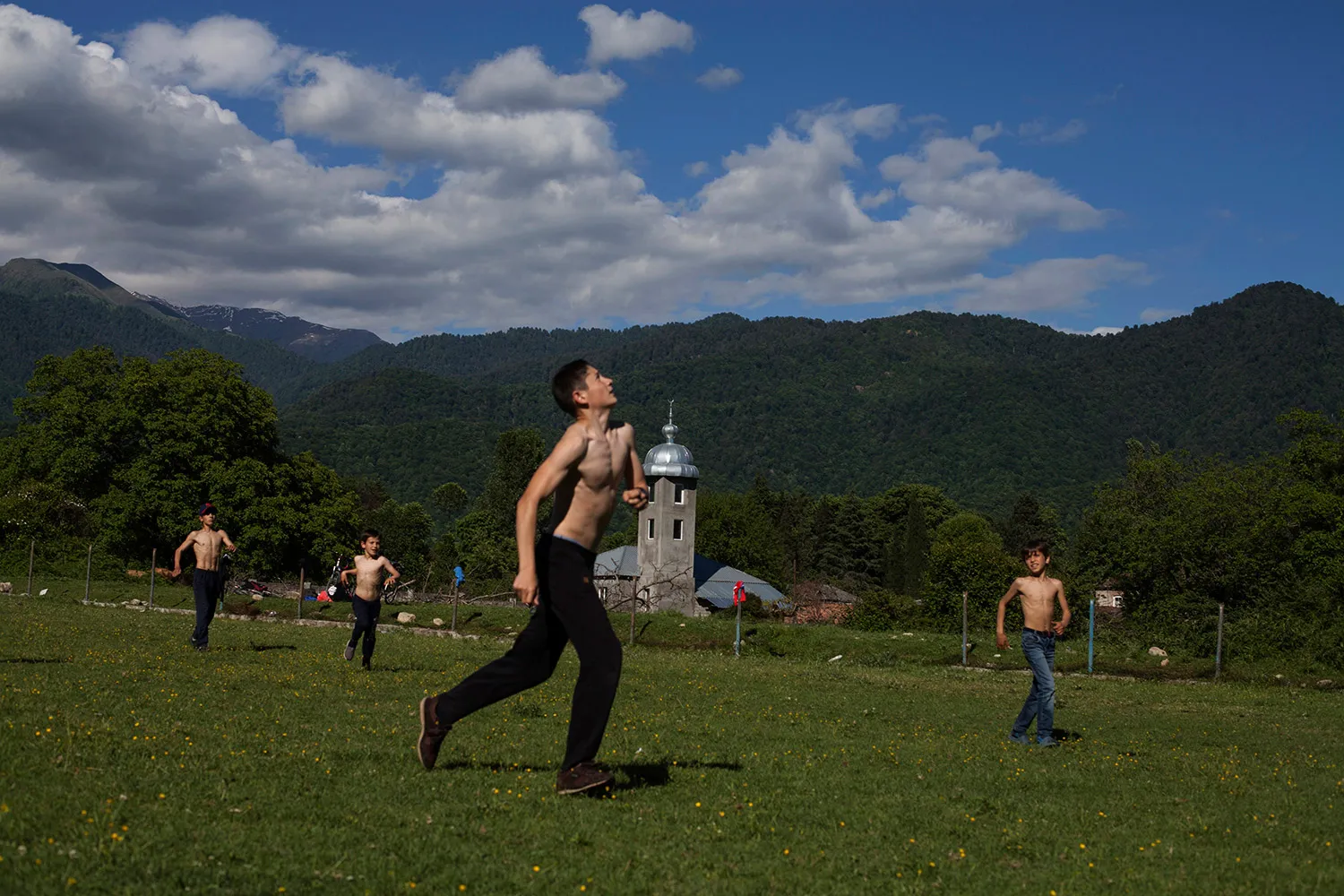
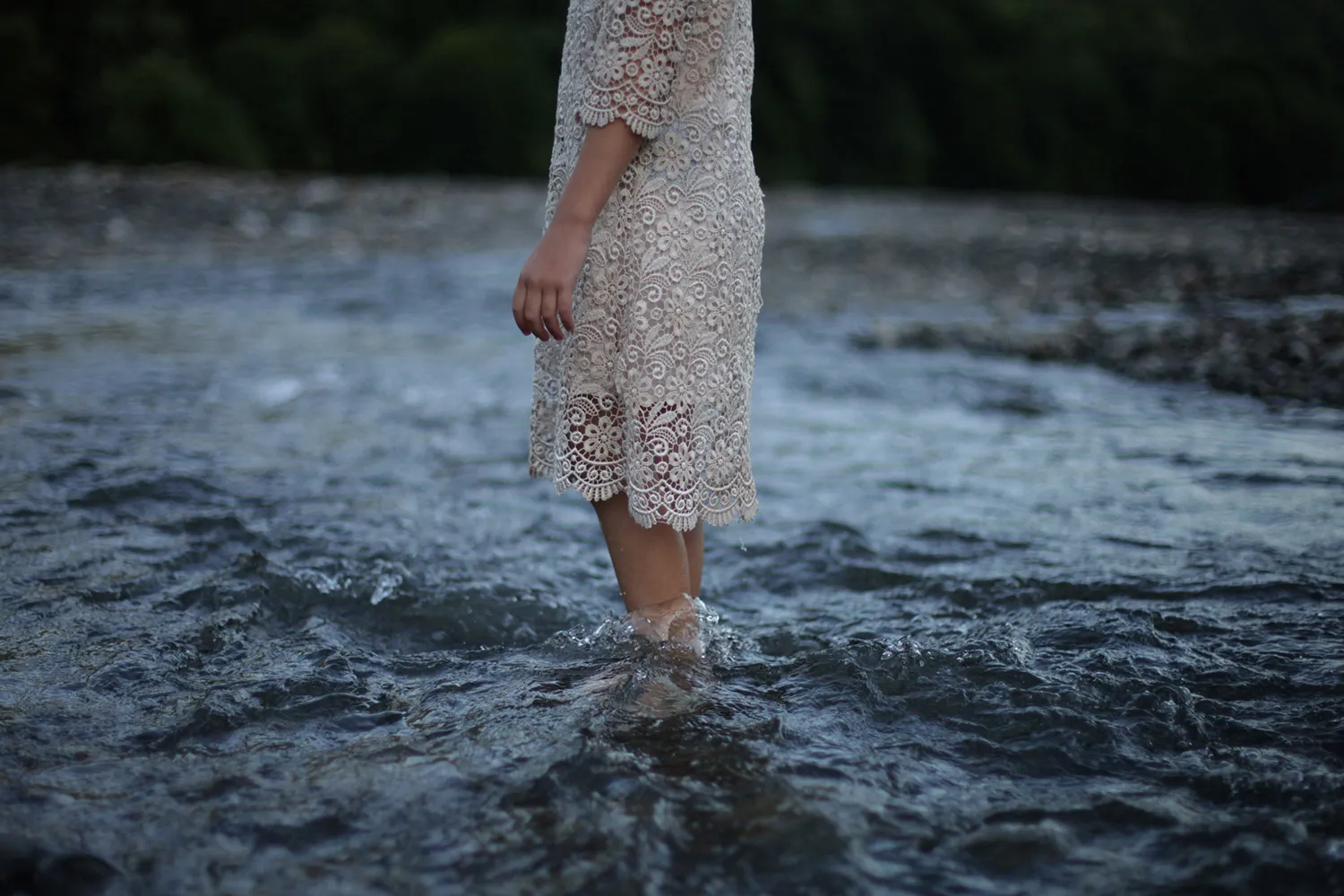
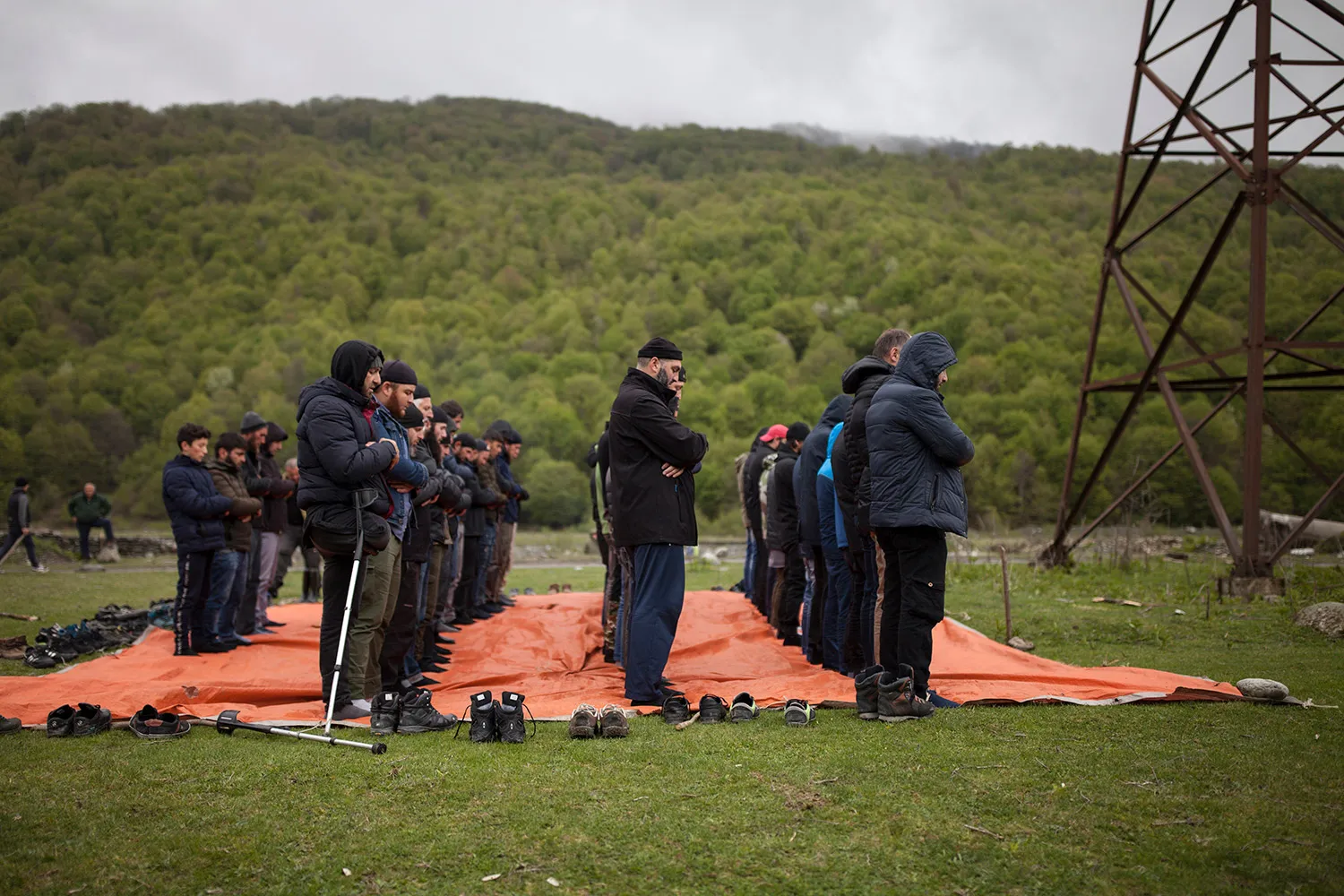
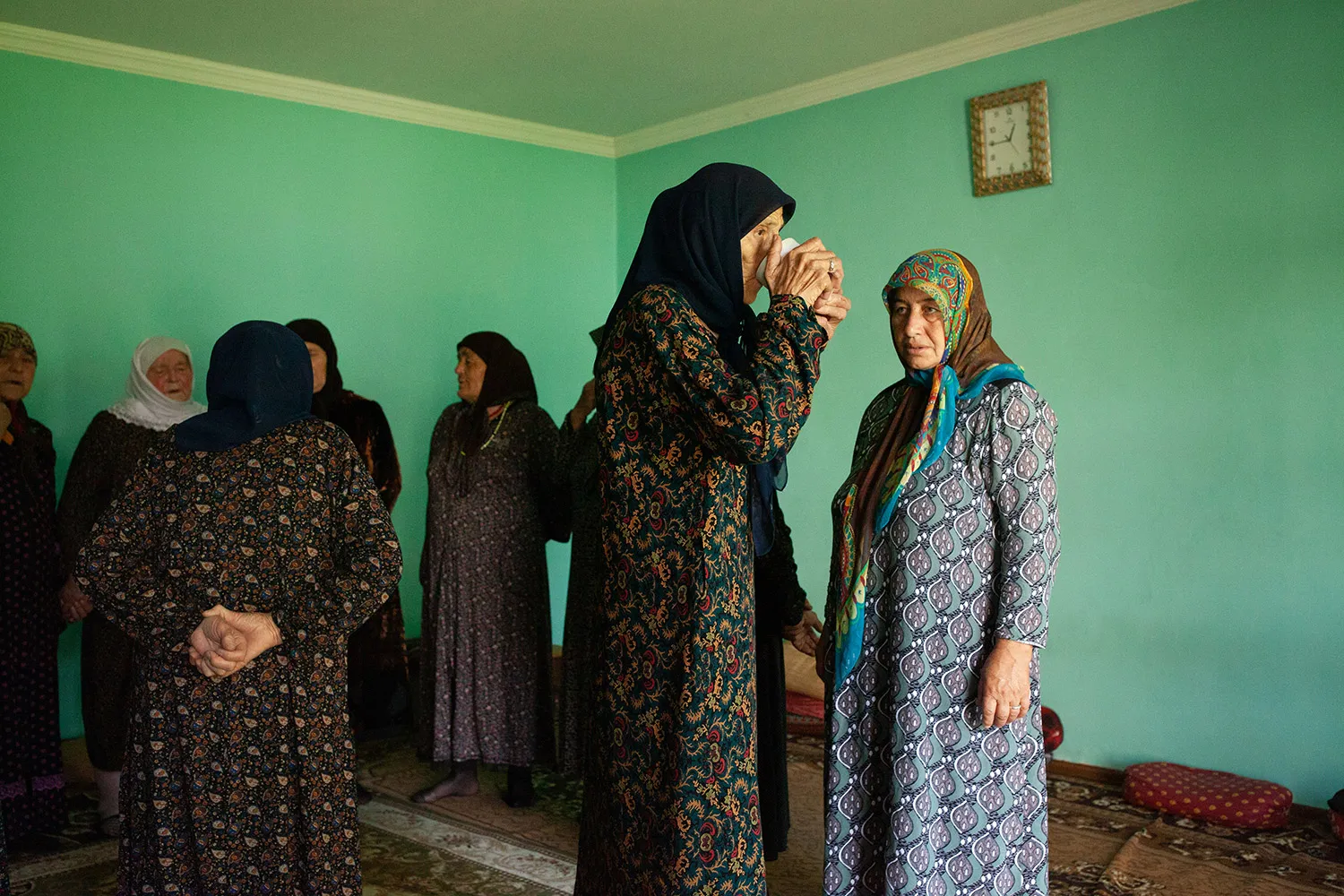
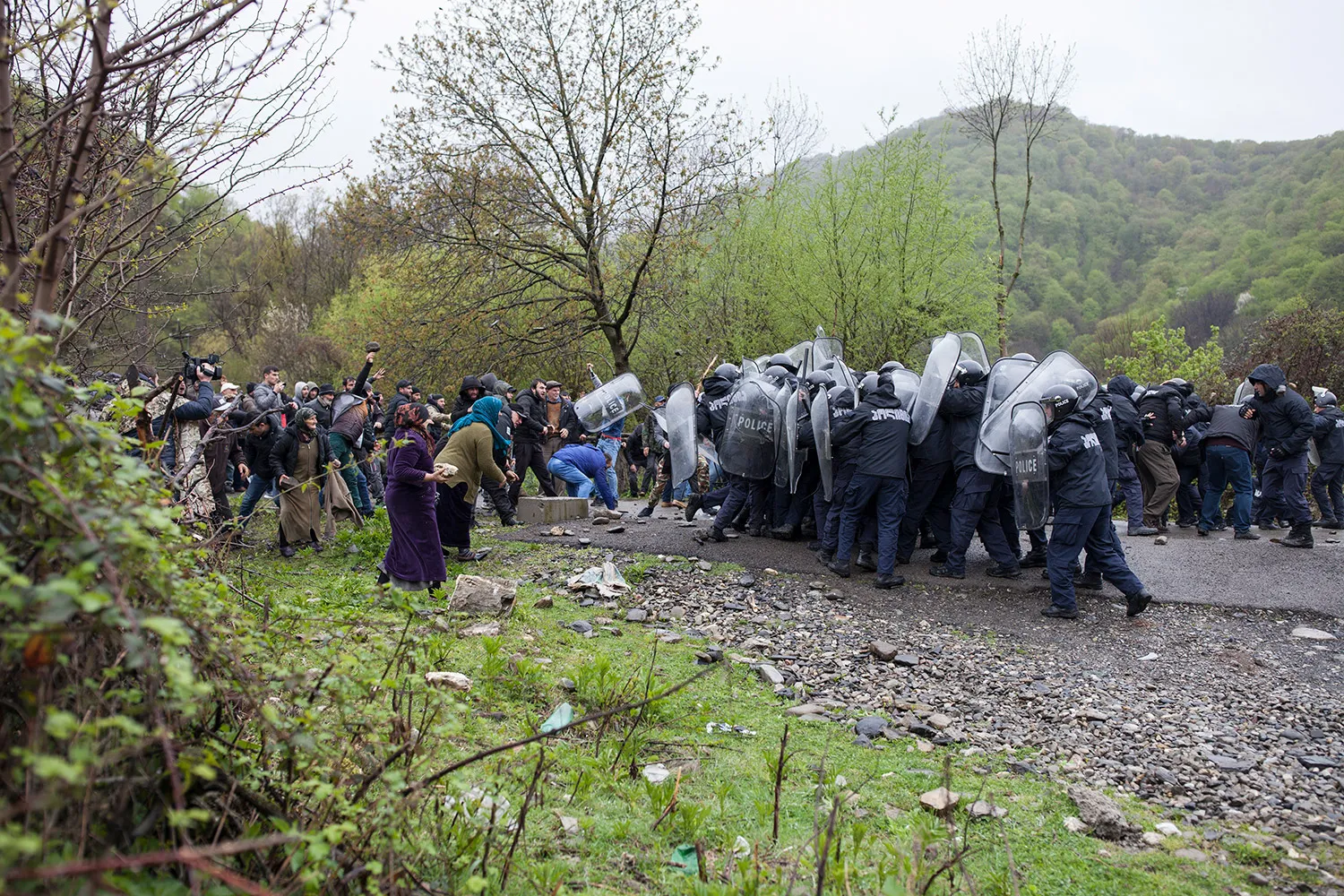
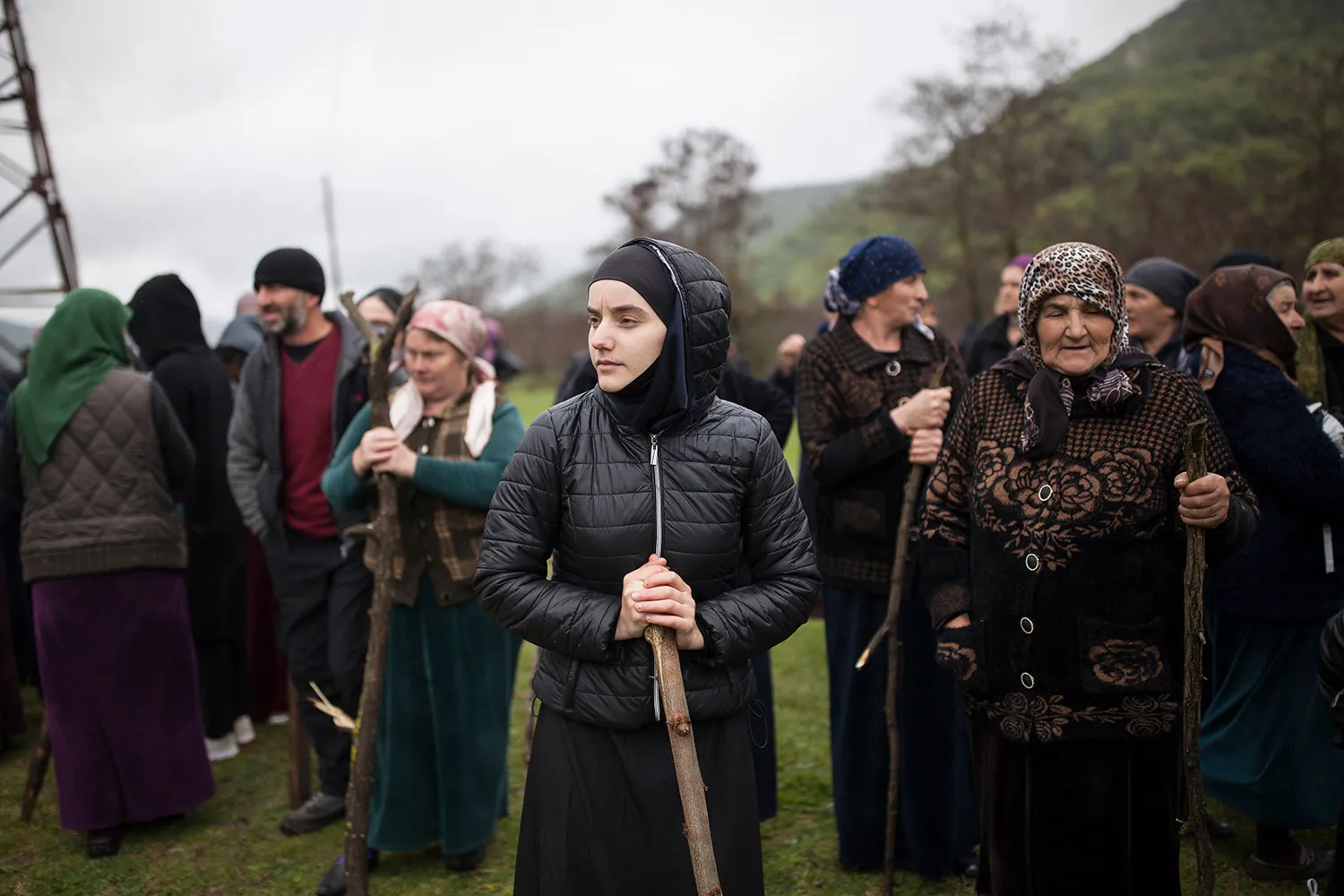
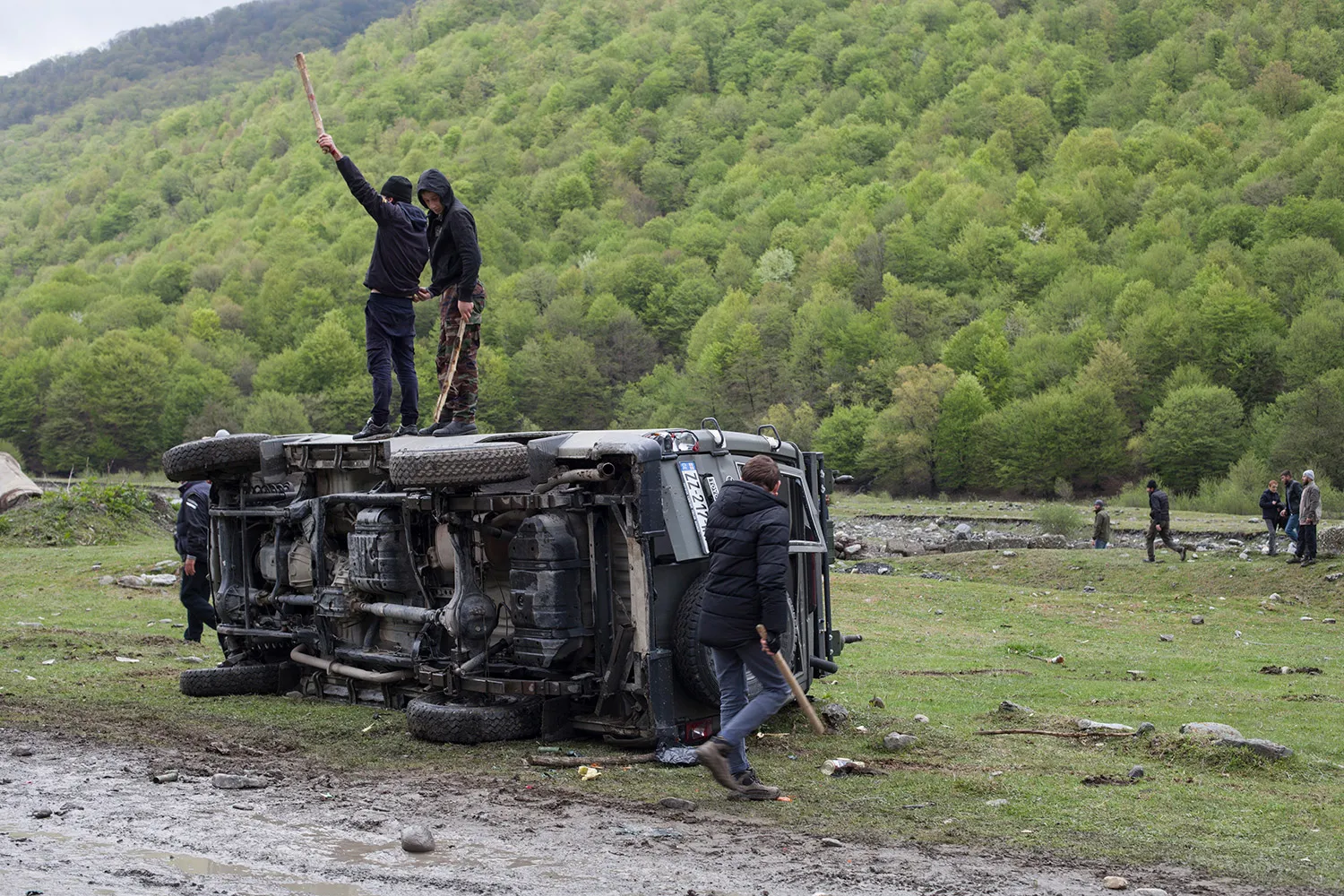
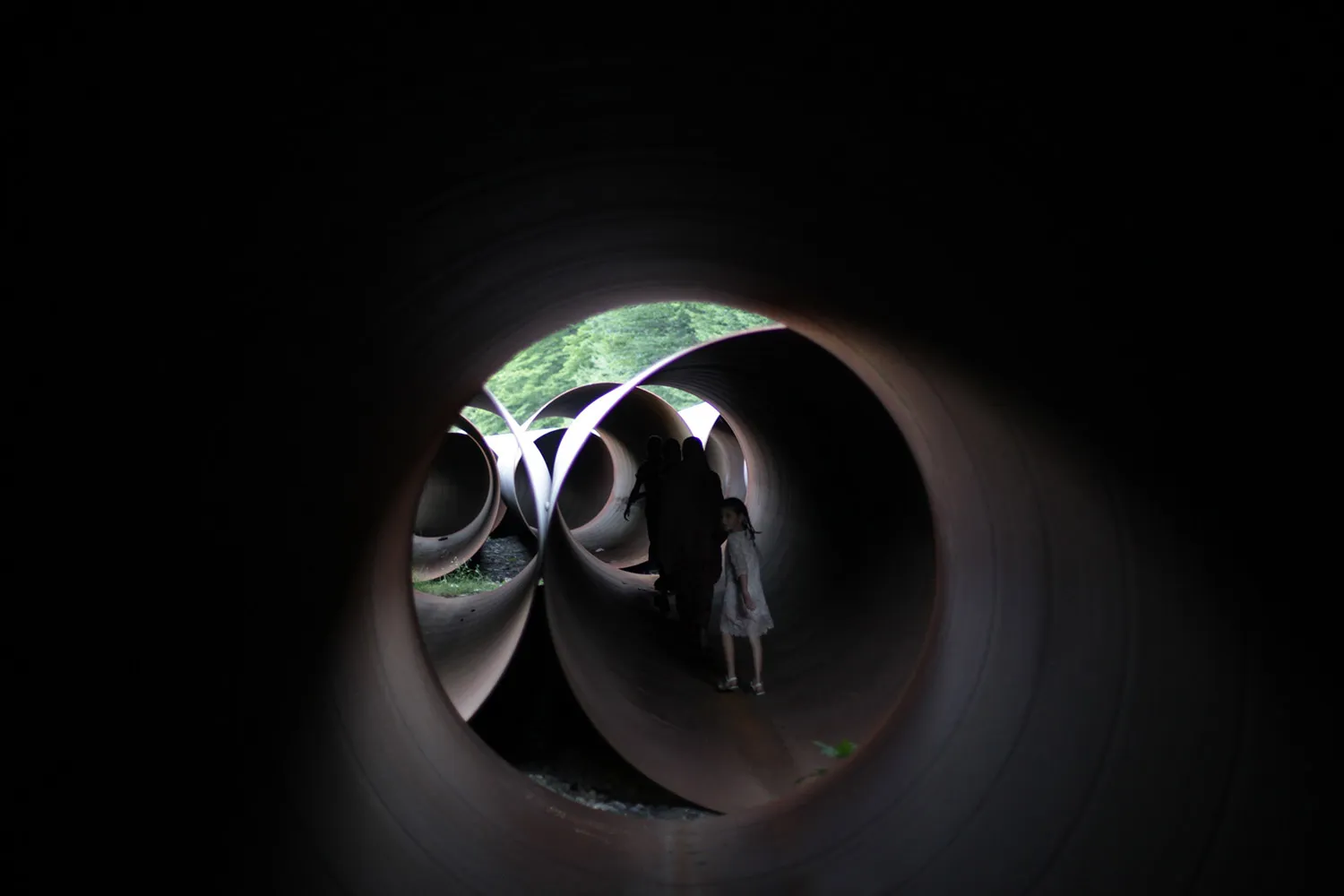
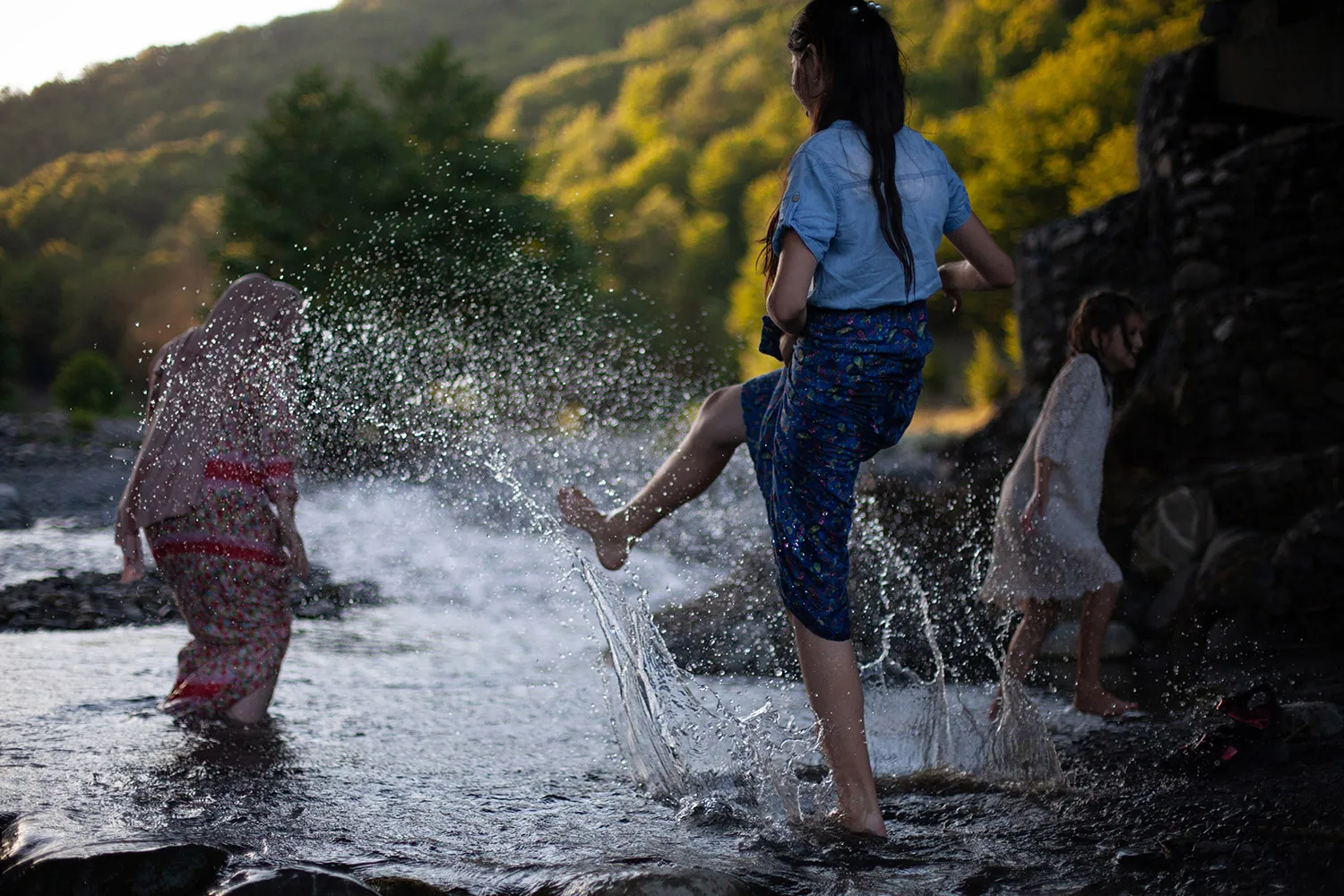
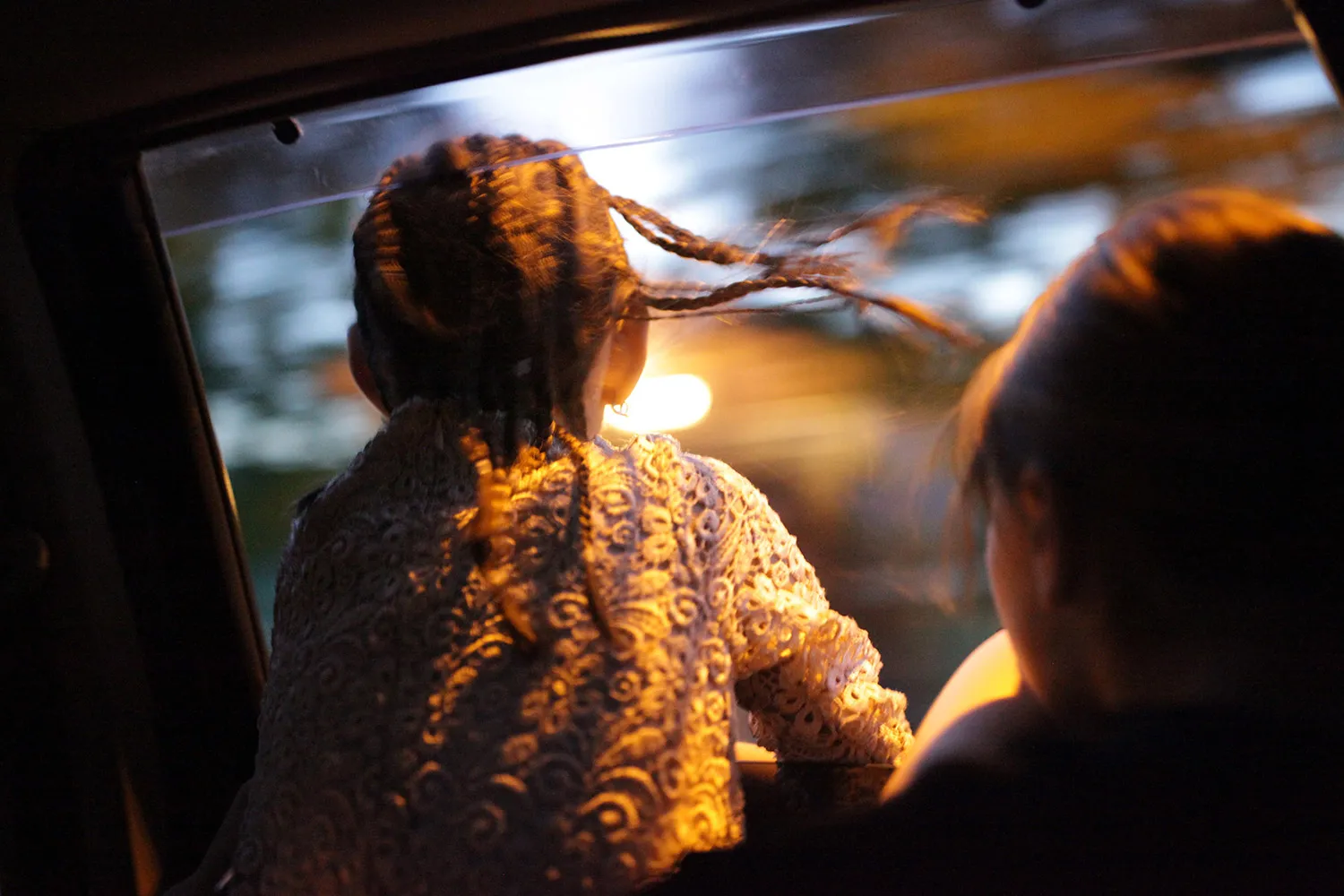
One summer in the Pankisi Gorge. A region on the border with Chechnya, shaped by war, superstition, and protests against the destruction of the land.
Here, women fight for their rights and for the future of the village, carving out independence in a deeply patriarchal community.
Full series
Film
A 15-kilometre (or 25-minute) underground tunnel runs through Siberia as part of the Baikal-Amur Mainline, connecting Eastern Siberia and the Russian Far East. I’ve heard a million stories about those places from my grandfather, who worked on the tunnel’s construction, and each time the stories took a different turn, with a new detail. But that’s just how he was with his stories.
My grandfather was born in 1932. He didn’t know the exact date. All the boys born in the same week in his village were registered on the same day and given the same surname: the name of the village. His name is Boris. My brother and I always called him Borya, and he would get annoyed when the other grandchildren said ded* or, even worse, dedulya: “I am Borya, not some old person.”
In 2015, we went to see the places from his stories. We took a plane, a boat, and a train to reach the village—one of the remaining industrial settlements built for railway workers in 1977. We were warmly welcomed by people proud of their work and living through the toughest conditions of freezing winters and summer fires.
I showed the film to my grandfather. He hoped to find familiar faces, but he didn’t see them—most of them were already gone. In July 2025, Borya passed away.
* ded means “grandfather” in Russian.
Tatyana Tribrat was born in the Kuban region and always longed to return to her native land. Every summer she runs an ecological camp, open to anyone, where volunteers have rescued stray dogs and held hearings in defence of animals and marine life.
Sea, mountains, forests, and a person who genuinely cares for all of it—a quiet portrait of devotion to one’s home.
For Takie Dela
Ekaterina Anchevskaya is a documentary photographer, filmmaker, and researcher. She works on editorial assignments and long-term documentary stories, often returning to the same places and people over months or years; and maintains a personal analogue practice. She is particularly interested in exploring migration and belonging, and the relationship between people and environment.
Based in Portugal · Russian · English · Spanish · Portuguese